
24/7 Customer Support

Free returns

Same-day & Next-day Delivery

Quality Guaranteed

Unlock Your Welcome Offers: FREE Delivery | Up to 80% OFF | Free 30-day JoyPlus trial
Download the APP
By Joybuy Product Recommendation Officer
Buying a single malt Scotch whisky can be surprisingly difficult. Labels may highlight heritage, unusual cask finishes or smoky character, while leaving out details that matter more at checkout. A striking bottle is not necessarily suited to your palate, and a higher price does not automatically mean a more enjoyable dram.
This guide explains the practical points to check before you buy, from regional style and alcohol strength to age statements, pack size and storage.
A whisky’s age statement tells you the age of the youngest spirit in the bottle. It does not guarantee a particular level of smoke, sweetness or richness. A younger Islay single malt whisky may taste more heavily peated than an older Speyside single malt whisky, while a sherry cask whisky can offer dried-fruit and spice notes without having an unusually high age statement.
Use the age as one reference point, not as a complete description of the flavour.
Islay is associated with peat and coastal character, but individual distilleries vary considerably. Some Islay single malt whisky is strongly smoky and medicinal, while other bottles are lighter, fruitier or bottled at a higher alcohol strength.
Likewise, a Highland single malt Scotch can be sweet, spicy, coastal or lightly smoky. Talisker Skye whisky, for example, is from the Isle of Skye rather than the Islay region and is listed at 45.8% ABV, with product information describing citrus, pepper, toasted oak and maritime notes.
A 70cl Scotch whisky bottle is the common full-size format, but a “pack of two” normally means two bottles rather than one larger bottle. Always check the net quantity, number of bottles and ABV before comparing prices.
At 40% ABV, a 70cl bottle contains approximately 28 UK alcohol units. Higher-strength options contain more: the listed 45.8% ABV Talisker Skye contains approximately 32 units per bottle, while the 46.3% ABV Bunnahabhain listing contains approximately 32.4 units. Drink responsibly and follow UK guidance that adults should not regularly exceed 14 units per week.
Regional labels are useful starting points, but they are not a substitute for reading the tasting description.
Cask information helps you predict the balance of flavours. American oak commonly contributes vanilla, coconut or toasted notes. Sherry casks may add dried fruit, raisin, nut and baking-spice character. A whisky described as “finished” in a particular cask has usually spent a later period in that cask, rather than being matured in it for its entire life.
Do not assume “sherry cask” means sweet or dessert-like. The final result also depends on the spirit, cask type, maturation period and bottling strength.
Check these three details together:
For gifting, check that the recipient enjoys smoky, sweet or spicy profiles before choosing a premium-looking bottle. A well-matched style is more useful than elaborate packaging.
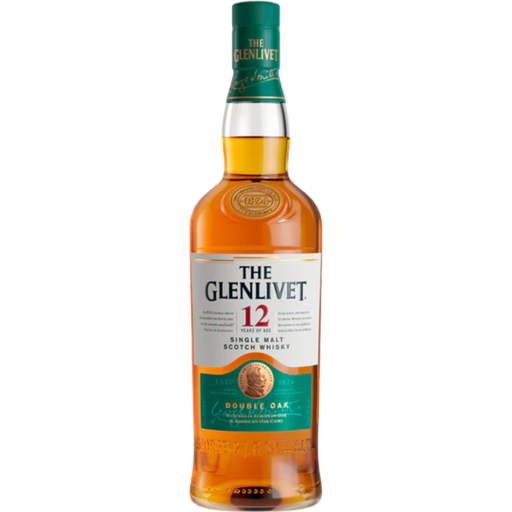
Why This Fits Their Persona: A 40% ABV Speyside 70cl bottle for newcomers who want to explore single malt Scotch whisky without starting with a strongly peated style.
The region, age, ABV and net quantity are clearly identified, helping buyers compare the bottle with similarly sized options rather than judging by presentation alone.
Speyside origin; 12-year age statement; 40% ABV; standard 70cl format.
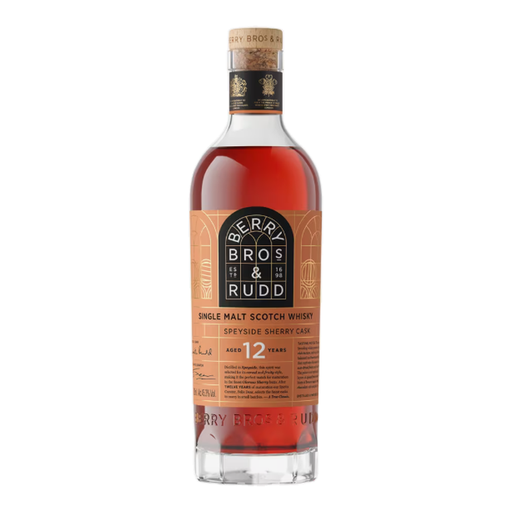
Why This Fits Their Persona: A 45.3% ABV Speyside single malt for shoppers interested in a sherry cask whisky with dried-fruit, spice and oak-led notes.
The listing states the maturation style, age, ABV and 70cl quantity, giving a clearer basis for comparison than vague references to luxury or rarity.
12-year age statement; sherry-cask influence; 45.3% ABV; suitable for neat serves or a little water.

Why This Fits Their Persona: Suited to drinkers specifically seeking a recognisable smoky peated whisky profile with coastal, dried-fruit and vanilla notes.
Its Islay origin and stated 10-year maturation make the style easier to identify, while the 40% ABV and 28-unit figure clarify what is in the bottle.
Islay regional identity; 10-year age statement; 40% ABV; available as an individual bottle or pack of two.
We have compiled a complete, real-time list of products that fully satisfy these strict selection criteria and UK safety regulations.
Single malt Scotch whisky is generally stored upright, in a cool, dry place away from direct sunlight. Unlike wine, it should not be stored on its side because prolonged contact with alcohol can affect the cork.
Serve it neat, over ice or with a small amount of water according to preference. A 25ml measure at 40% ABV is approximately one UK unit. Once opened, keep the bottle tightly sealed; oxidation can gradually alter the aroma and flavour, particularly when only a small amount remains.
It is made from malted barley at one distillery, but the bottle may contain spirit from multiple casks and distillation batches from that distillery. “Single malt” does not mean one cask or one year of production.
It does not have the same short shelf life as many fresh foods. Kept upright, sealed and away from sunlight, an opened bottle can remain drinkable for a long period. However, flavour may change gradually as air occupies more of the bottle, so bottles with only a small measure left are more vulnerable to oxidation.
Only if you have a reasonable idea of the recipient’s preferences. For someone who enjoys peat, Laphroaig, Smokehead or Talisker Skye may suit their taste. For a newcomer, a fruitier Speyside single malt such as The Singleton Malt Master’s Selection, Glenlivet 12 Year Old or Glenfiddich 12 Year Old may be a more approachable starting point. All alcohol purchases are for adults aged 18 and over, and responsible drinking guidance should be followed.