
24/7 Customer Support

Free returns

Same-day & Next-day Delivery

Quality Guaranteed

Unlock Your Welcome Offers: FREE Delivery | Up to 80% OFF | Free 30-day JoyPlus trial
Download the APP
Choosing a single malt Scotch whisky can be harder than the shelf suggests. Region, age statement, cask type, peat level and bottle size all affect the drinking experience, while premium-looking packaging does not always tell you what is in the glass.
As the Joybuy Product Recommendation Officer, my role is to filter out distracting marketing language and focus on the practical details that matter when buying whisky in the UK.
An aged Scotch whisky may offer developed oak, dried fruit or spice notes, but age alone does not determine whether you will enjoy it. A younger whisky can be bright, sweet or smoky, while a mature expression may be richer and more oak-led. Check the flavour profile and cask information rather than choosing solely by the number on the label.
Regions provide useful style clues, but they are not rigid rules. Islay single malt whisky is often associated with peat, smoke and coastal notes, although individual distilleries can produce lighter expressions. Speyside single malt whisky commonly features fruit, honey and soft spice, while Lowland single malt whisky is frequently lighter and gentler. Highland and island whiskies cover a broad range of profiles.
Terms such as bourbon cask whisky, sherry cask whisky and wine-finished whisky describe how the spirit has interacted with oak. Some expressions mature exclusively in one cask type; others receive a shorter finishing period in a second cask. These approaches can create vanilla, dried fruit, tropical fruit or spice notes, but they do not make every whisky taste alike.
Use the region as a starting point:
Cask details can be more useful than packaging language. Ex-bourbon oak may contribute vanilla, coconut and caramel notes. Sherry casks are commonly associated with dried fruit, nut and spice characteristics. Cognac, rum or wine finishes can add fruit sweetness and additional layers.
For example, Glen Moray Twisted Vine is a Speyside whisky finished in Cognac casks, with listed tasting notes of coffee, prunes, raisins, roasted nuts and warming spice. Jura Cask Edition is secondary matured in Caribbean rum casks and lists tropical fruit, fudge, vanilla and cinnamon spice notes.
A standard 70cl Scotch whisky bottle contains 700ml. At 40% ABV, a 70cl bottle contains approximately 28 UK units, although the exact unit information should be checked on the product label. A 25ml measure of a 40% ABV whisky is commonly around one UK unit.
Check the following before ordering:
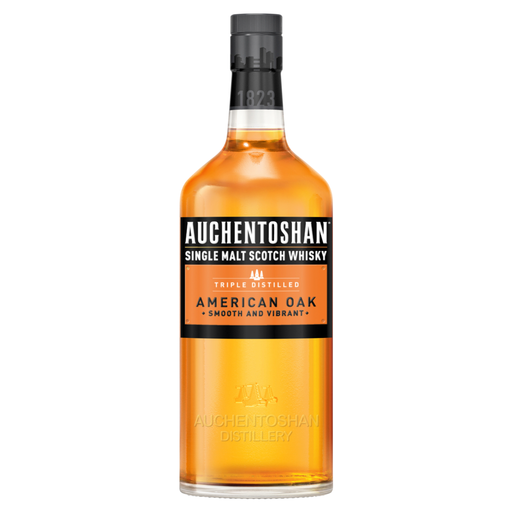
Why This Fits Their Persona: A gentle Lowland option for newcomers who want to explore single malt whisky without starting with heavy peat.
Its listing clearly identifies Lowland origin, triple distillation and exclusive American bourbon cask maturation rather than relying only on broad luxury wording.
40% ABV; listed vanilla, coconut, caramel and honeyed notes; available as a 700ml bottle.
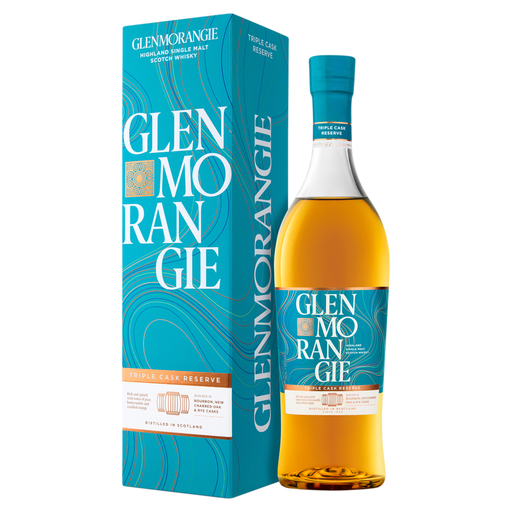
Why This Fits Their Persona: Suits shoppers seeking a layered bottle for relaxed sipping, dinner occasions or a considered Scotch whisky gift.
The three cask influences are stated directly, helping buyers understand the source of its fruit, sweetness and oak character.
40% ABV; 70cl format; bourbon, sherry and wine cask character with listed pear, honeysuckle and candied fruit notes.

Why This Fits Their Persona: Designed for drinkers specifically looking for peated Scotch whisky, smoky whisky and coastal-style flavours.
The Islay origin, 10-year age statement and 40% ABV are clearly identified, so the buyer can assess the style before ordering.
70cl bottle; listed peat smoke, sea salt, dried fruit, vanilla and warming spice notes.
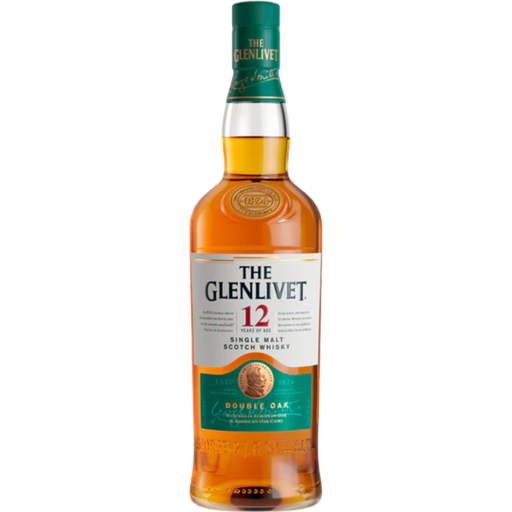
Why This Fits Their Persona: A practical Speyside choice for sharing, casual sipping or a Scotch whisky gift when the recipient’s preferred style is not fully known.
The product page provides the region, 12-year age statement, 70cl quantity and 40% ABV, allowing a straightforward comparison.
Made in Scotland; 70cl format; Speyside style suited to shoppers who prefer a non-peated starting point.
We have compiled a complete, real-time list of products that fully satisfy these strict selection criteria and UK safety regulations.
No. Smoke comes mainly from the use of peat during malting, not from the term “single malt” itself. Islay bottles such as Laphroaig and Smokehead may be strongly peated, while Lowland and many Speyside expressions are generally lighter, sweeter or fruit-led.
Scotch whisky does not spoil quickly when stored correctly, but air in a partly filled bottle can gradually affect aroma and flavour. Keep it upright, tightly sealed and away from sunlight or heat. Smaller remaining volumes may change more noticeably over time, so consider sharing the bottle rather than storing it for an extended period.
A 70cl Scotch whisky bottle is the standard format for many adult gifts. Before purchasing, confirm the recipient’s taste, check whether the bottle is sold singly or as a pack of two, and review the ABV, age statement, region and cask information. Alcohol should only be gifted to someone aged 18 or over and consumed responsibly.