
24/7 Customer Support

Free returns

Same-day & Next-day Delivery

Quality Guaranteed

Unlock Your Welcome Offers: FREE Delivery | Up to 80% OFF | Free 30-day JoyPlus trial
Download the APP
Buying single malt Scotch whisky online can look straightforward until you compare regions, cask finishes, bottle sizes and alcohol strength. Product pages often use rich tasting language, but the details that affect your purchase are usually more practical: what the whisky is made from, how it was matured, how much alcohol it contains and whether you are buying one bottle or a pack.
This guide helps UK shoppers compare Speyside single malt whisky, Highland single malt whisky, 70cl bottles and value-focused packs without relying on exaggerated marketing claims.
A 12-year-old single malt has spent at least 12 years maturing in oak, but age alone does not describe its flavour. Cask type, maturation conditions, alcohol strength and distillery style also matter. A younger whisky with a sherry finish may taste richer and sweeter than an older whisky matured mainly in bourbon casks.
Check whether the product listing clearly states the age, cask type and ABV. If a bottle has no age statement, do not assume it is inferior; simply compare the available information rather than paying more for vague descriptions.
Speyside whisky is often associated with fruit, honey, vanilla and a gentle texture, while Highland whisky can cover a broad range of styles, from light and floral to richer and spicier. These are useful starting points, not fixed rules.
A Speyside single malt whisky may be a suitable choice for someone new to Scotch, but the cask finish can change the experience significantly. Likewise, a Highland bottle such as Glenmorangie The Original may offer citrus and peach notes rather than a heavily smoky profile.
A pack of 2 whisky products can be useful for entertaining or gifting, but check the total quantity. Two 70cl bottles contain 140cl in total; they are not a single oversized bottle. Compare the price per bottle and confirm whether both bottles are identical.
Also check delivery packaging and the product title carefully. A listing for Cardhu Gold Reserve, for example, may appear as either an individual 70cl bottle or a pack of two.
Most accessible Scotch whisky listings use a 70cl Scotch whisky bottle. At 40% ABV, a 70cl bottle contains 28 UK units when calculated using the listed serving information. A higher-strength bottle contains more alcohol per serving and may offer a fuller, more concentrated drinking style.
Berry Bros. & Rudd Classic Speyside 16yo is listed at 48.2% ABV and 33.7 units per 70cl bottle. This is materially different from a standard 40% ABV whisky, so compare strength as well as bottle price.
For responsible serving, a 25ml measure of a 40% ABV whisky is approximately one UK unit. The UK Chief Medical Officers advise adults not to regularly exceed 14 units per week. Alcohol is restricted to those aged 18 and over, and it is safest not to drink during pregnancy.
Cask information can be more useful than tasting adjectives. American oak and bourbon casks commonly contribute vanilla, honey and soft spice. Sherry casks can add notes associated with dried fruit, orange, raisin and richer sweetness. A sherry cask whisky may therefore suit shoppers looking for a more fruit-led or dessert-like profile.
Tamnavulin Double Cask is matured first in American oak and then in selected sherry casks. Tamnavulin Sherry Cask Edition uses American oak followed by three different sherry casks. These details provide a clearer basis for comparison than descriptions such as “luxurious” or “smooth”.
Single malt Scotch whisky is made from malted barley, water and yeast, although some listings may also declare colouring such as E150a. Barley is relevant to customers checking allergen information. Distillation generally changes the presence of barley-derived proteins, but always read the product label and listing if you have a specific allergy or dietary concern.
Store an opened bottle upright in a cool, dark place away from direct sunlight and keep the closure tightly sealed. Whisky does not mature further in the bottle. Over a long period after opening, air exposure can gradually alter its aroma and flavour, so avoid leaving a bottle loosely closed.
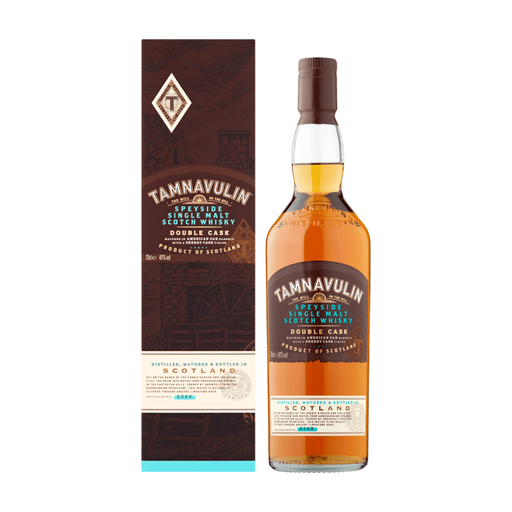
Why This Fits Their Persona: A 70cl Speyside bottle with 40% ABV offers a familiar format for newcomers who want to explore single malt whisky at home or share it casually.
The listing identifies the double-cask process, bottle size and alcohol percentage instead of relying only on broad regional language.
American oak and sherry casks; listed at 40% ABV and 28 UK units per bottle.
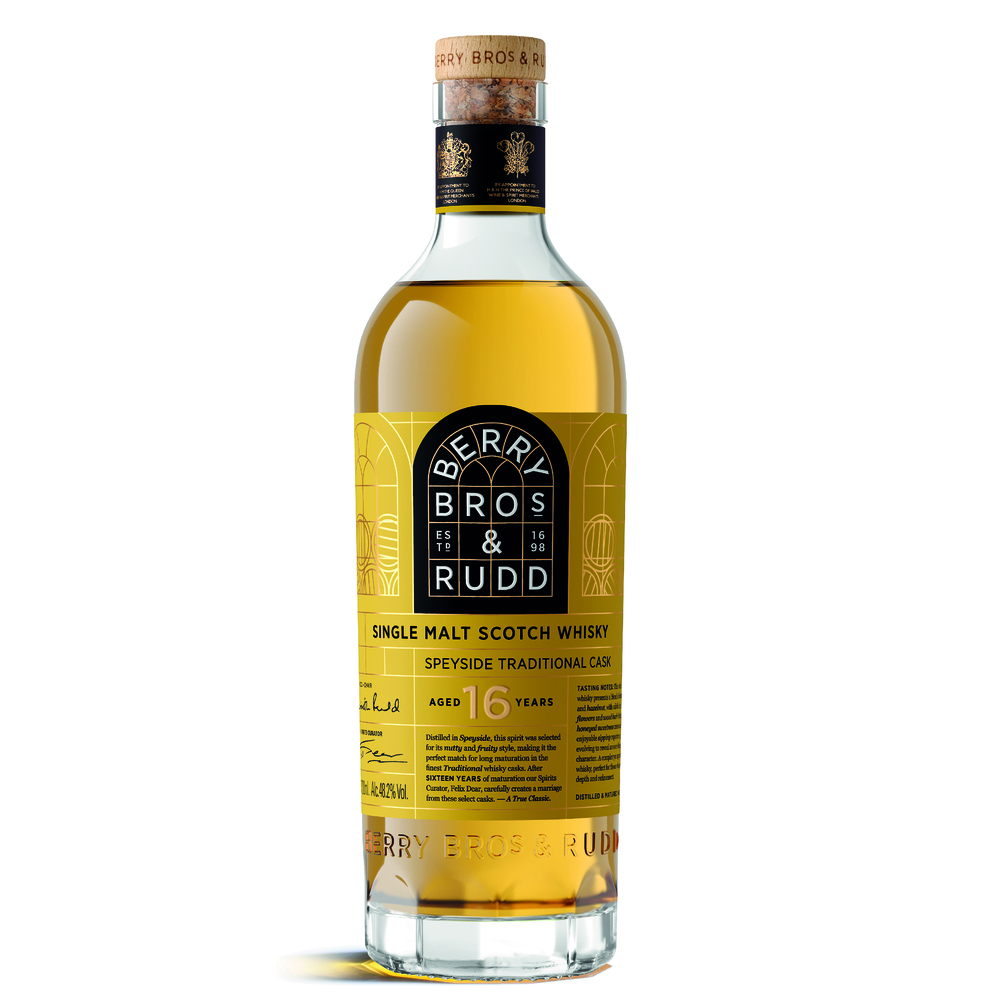
Why This Fits Their Persona: Suitable for shoppers seeking a mature Speyside profile and a higher-strength bottle for neat serving or adding a little water.
Its age statement and 48.2% ABV are clearly presented, allowing a direct comparison with standard-strength bottles.
16-year maturation; 48.2% ABV; 33.7 UK units per 70cl bottle.
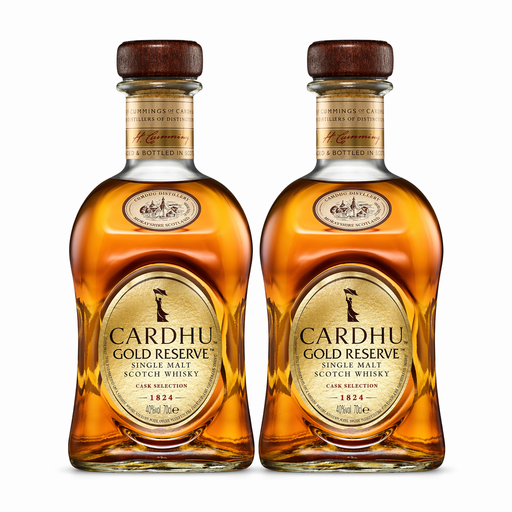
Why This Fits Their Persona: Two 70cl bottles suit planned gifting, dinner hosting or keeping one bottle for a later occasion.
The pack format is explicit, helping buyers distinguish two standard bottles from a single larger container.
Speyside origin; 40% ABV; 28 UK units per bottle; two-bottle format.
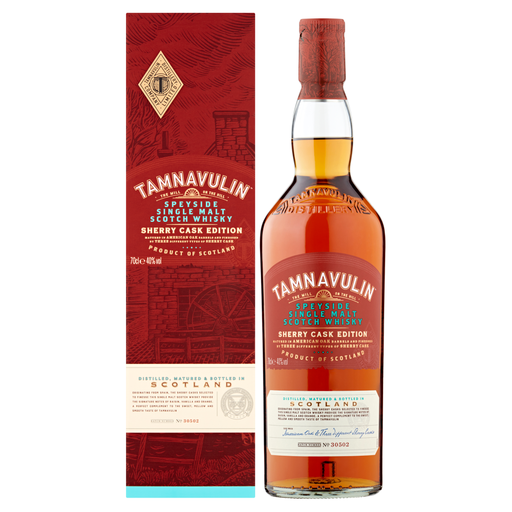
Why This Fits Their Persona: A practical option for drinkers who specifically look for raisin, vanilla and orange notes associated with sherry maturation.
The listing specifies American oak plus three sherry casks, giving a more useful indication of style than colour alone.
70cl bottle; 40% ABV; three sherry cask types; suitable for vegetarians and vegans according to the listing.
We have compiled a complete, real-time list of products that fully satisfy these strict selection criteria and UK safety regulations.
Single malt Scotch whisky is made at one distillery using malted barley, water and yeast, then matured in oak casks in Scotland. “Single malt” does not mean the bottle came from one cask; it can contain whisky from several casks produced by the same distillery.
Yes, 70cl is the standard full-size bottle format used across many retail listings. For a gift, check the recipient’s preferred region, cask style and alcohol strength. A whisky gift set or pack of two can be more suitable when presentation or sharing is important, but confirm the exact contents before ordering.
Keep it upright, tightly sealed and away from direct sunlight or heat. Unlike wine, whisky should not be stored on its side because prolonged contact with alcohol can affect the cork. A bottle may remain enjoyable for a long time, but aroma changes become more likely when only a small amount remains and the bottle contains more air.