
24/7 Customer Support

Free returns

Same-day & Next-day Delivery

Quality Guaranteed

Unlock Your Welcome Offers: FREE Delivery | Up to 80% OFF | Free 30-day JoyPlus trial
Download the APP
Navigating the world of single malt Scotch whisky can feel overwhelming. With hundreds of distilleries, a vast array of styles and labels filled with jargon, it is easy to feel lost. Many shoppers find themselves swayed by marketing claims that do not always lead to the right bottle for their palate or budget.
As a Joybuy Product Recommendation Officer, my role is to help you see past the hype. Before you decide to buy whisky online UK, let’s look at a few common pitfalls that can lead to a disappointing purchase.
To make an informed choice, focus on the tangible elements that shape a whisky's character. Understanding these three factors will empower you to select a bottle you will genuinely enjoy, whether for yourself or as a thoughtful whisky gift.
The type of wooden cask used for maturation is arguably the single most important factor in a whisky's final flavour profile. The spirit can spend a decade or more interacting with the wood, absorbing its character.
When you see terms like "smoky" or "peaty," it refers to the use of peat smoke to dry the malted barley before distillation. The level of smokiness is a key differentiator, especially in peated Scotch whisky.
A heavily peated whisky, often from Islay, will have powerful aromas of bonfire smoke, iodine and brine. A lightly peated whisky might only have a gentle, earthy whisper of smoke that adds complexity without overwhelming the other flavours. If you are new to this style, starting with a lightly peated or unpeated whisky is often a good approach.
ABV (Alcohol By Volume) is more than just about strength. Many whiskies are bottled at a standard 40%. However, a higher ABV, such as 43% or 46%, often indicates that the whisky is non-chill-filtered.
Chill-filtration is a cosmetic process where the whisky is cooled and filtered to remove particles that can cause it to look hazy when cold or with water added. However, these particles are natural fatty acids and esters that also contribute to the whisky's flavour and mouthfeel. A non-chill-filtered whisky often has a richer, oilier texture and a more complex flavour profile.
Choosing a Scottish whisky is a personal journey. To help you find a starting point, here are a few recommendations from our catalogue, matched to different tastes and preferences.
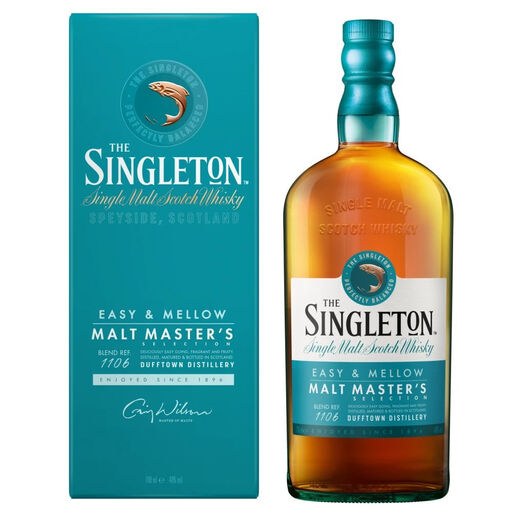
Why This Fits Their Persona: This Speyside whisky is crafted to be exceptionally smooth and approachable. Its profile of honey, vanilla and fresh pear is a perfect, unintimidating introduction to the world of single malts for UK drinkers.
It proves that a whisky doesn't need an age statement to be high quality. The focus is on a consistent, smooth flavour profile, sidestepping the "age is everything" trap.
Delivers a classic, fruity Speyside character with exceptional smoothness. It is versatile enough to be enjoyed neat, with ice or in a simple highball.

Why This Fits Their Persona: For those ready to embrace the bold flavours of Islay, this is a benchmark. It offers an authentic, richly peated experience with notes of campfire smoke, seaweed and a surprising sweetness.
This whisky is unapologetically what it is. It doesn't hide behind vague marketing; it delivers the iconic, full-flavoured Islay peat profile that it is famous for, defying regional stereotypes by being a proud example of one.
A classic and definitive peated Scotch whisky. The 10-year maturation period perfectly balances the intense smoke with underlying sweet and maritime notes.
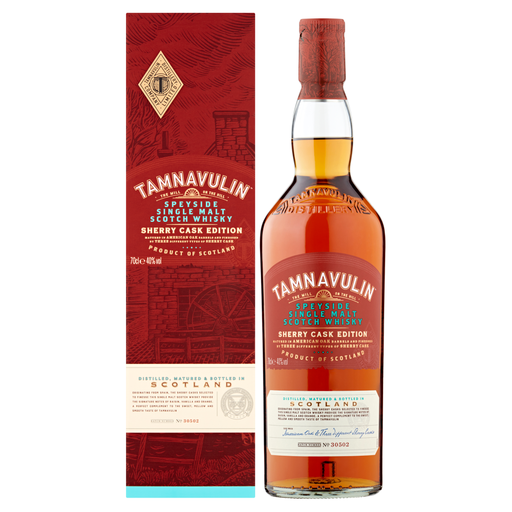
Why This Fits Their Persona: Ideal for those who enjoy a richer, sweeter and fruitier dram. This Speyside malt is finished in three different types of sherry casks, creating a deep and complex profile of raisin, orange and maple syrup.
It avoids the "vague finish" ruse by being transparent about its maturation process. It clearly states its use of three different sherry casks, explaining the rich, sweet profile it delivers.
Offers a complex, layered sherry experience at an accessible price point. The combination of casks provides a profile that is both rich and smooth.
We have compiled a complete, real-time list of products that fully satisfy these strict selection criteria and UK safety regulations.
Unlike wine, whisky does not mature further in the bottle. It should always be stored upright to prevent the high-strength alcohol from corroding the cork, which could taint the spirit and break the seal. Keep your bottles in a cool, dark place away from direct sunlight and significant temperature fluctuations to preserve their quality.
An unopened bottle of whisky can last indefinitely. Once opened, the process of oxidation begins, which will slowly alter the whisky's flavour over time. For a half-full 70cl whisky bottle, the flavours will remain largely stable for about one to two years. To prolong its life, ensure the cap is tightly sealed and store it as recommended above.
Not necessarily. This goes back to the age statement trap. The quality of the cask, the distillation process and the skill of the master blender are far more important than a two-year age difference. A vibrant, well-crafted 10 year old whisky from an excellent cask will often provide a more enjoyable experience than a flat 12 year old whisky from a less active one. Focus on the distillery's reputation and the flavour profile rather than just the number on the bottle.