
24/7 Customer Support

Free returns

Same-day & Next-day Delivery

Quality Guaranteed

Unlock Your Welcome Offers: FREE Delivery | Up to 80% OFF | Free 30-day JoyPlus trial
Download the APP
Buying a single malt whisky 70cl bottle can seem straightforward, but labels and product descriptions often make comparison difficult. Regional names, cask terminology, alcohol strength and tasting notes all influence the drinking experience, while attractive packaging can distract from the specifications that matter.
Three common buying traps are worth avoiding:
A single malt is made at one distillery using malted barley, but the region can provide a useful starting point when selecting a bottle.
Region is not a strict flavour rule, so check the full tasting description rather than relying on the map on the label.
Cask terminology is one of the most useful ways to compare bottles. Bourbon cask whisky commonly develops vanilla, coconut, caramel and toasted oak notes. Jura Bourbon Cask and Auchentoshan American Oak are suitable examples for shoppers looking for this influence.
Sherry cask whisky may show dried fruit, raisin, orange, chocolate or warming spice. Tamnavulin Sherry Cask Edition uses American oak alongside three types of sherry cask, while Glen Moray Twisted Vine is finished in Cognac casks, bringing a different dried-fruit and nutty direction.
A product described as “triple cask” or “cask finished” should not automatically be treated as stronger or older. Look for the actual cask types, whether the bottle carries an age statement and whether the description clearly separates maturation from finishing.
Most bottles in this selection are 70cl, equivalent to 700ml. This is the familiar full-size bottle for a home bar or whisky gift. Check the ABV, or alcohol by volume:
A 25ml measure of 40% whisky is approximately one UK unit. Higher-strength whisky contains proportionately more alcohol per serving, so do not compare bottles on price alone. Check the net quantity, ABV and stated alcohol units together.
Also verify the age restriction, ingredients and allergen information. Whisky generally contains malted barley, meaning barley or gluten-related allergen information may appear on the label. Alcohol is for adults aged 18 and over in the UK. Drink responsibly; the UK Chief Medical Officers advise adults not to regularly exceed 14 units per week, and it is safest not to drink during pregnancy.
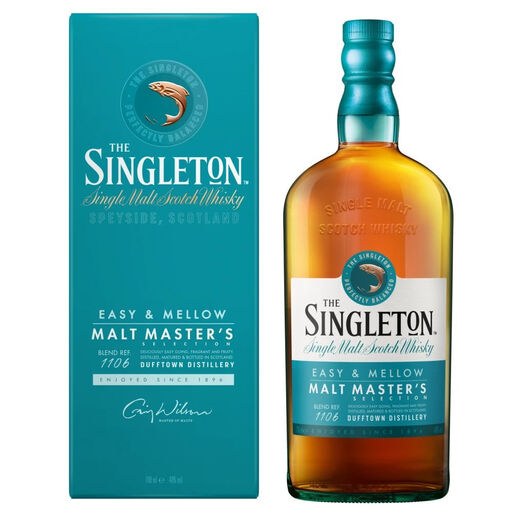
Why This Fits Their Persona: Its listed Speyside profile includes honey, vanilla and pear, making it a straightforward introduction for shoppers moving from blended whisky to single malt.
The 40% ABV and 70cl size are clearly stated, helping beginners compare serving strength without relying on promotional language.
Speyside origin; 40% ABV; listed notes of honey, vanilla and pear.
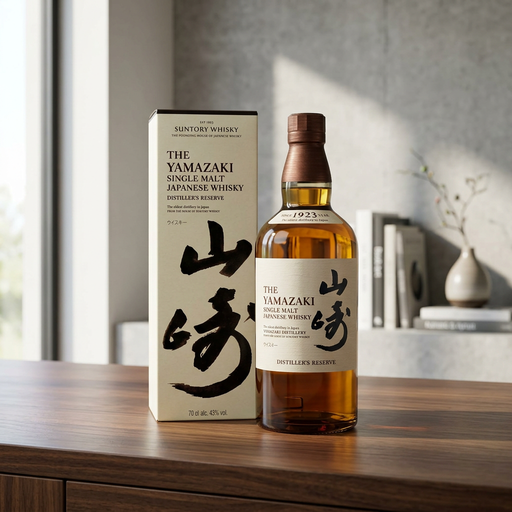
Why This Fits Their Persona: A 43% ABV Japanese single malt with listed strawberry, cherry, peach, vanilla and Mizunara oak notes for shoppers seeking a distinctive bottle.
The product information identifies the country of origin, 70cl quantity and 43% ABV, rather than leaving shoppers to infer specifications from the presentation.
Japanese origin; 43% ABV; listed use of American oak, Oloroso sherry and Mizunara oak.
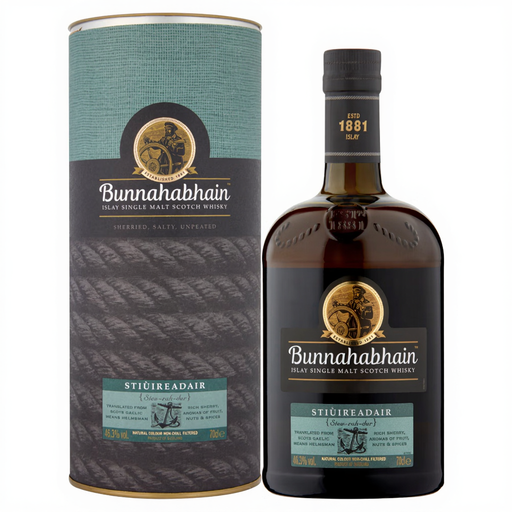
Why This Fits Their Persona: Listed at 46.3% ABV and made in Scotland’s Islay region, it suits drinkers who want a higher-strength bottle with a clear island identity.
The ABV is stated clearly, so buyers can distinguish it from standard 40% ABV whisky and plan smaller pours if preferred.
46.3% ABV; 70cl bottle; Islay origin; malted barley, water and yeast listed as ingredients.
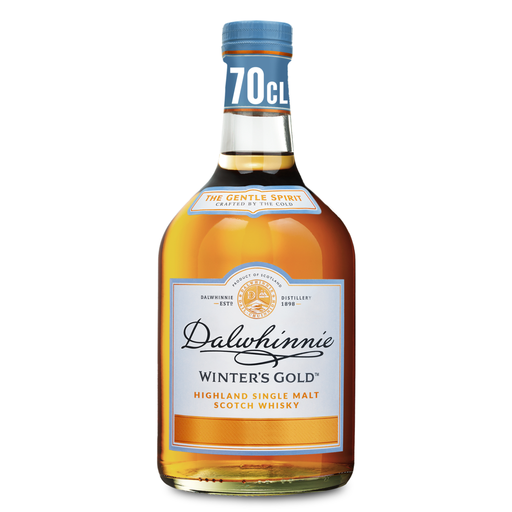
Why This Fits Their Persona: Its 43% ABV, Scottish origin and listed honeyed, heather and warming spice profile make it a presentable option for a whisky gift.
The bottle size, ABV and storage details are provided, helping gift buyers check the practical information before ordering.
70cl net quantity; 43% ABV; Scottish origin; listed serving suggestion of chilled whisky.
We have compiled a complete, real-time list of products that fully satisfy these strict selection criteria and UK safety regulations.
Store an unopened or opened bottle upright, in a cool, dry place away from direct sunlight. Whisky does not need refrigeration. Keep the closure tightly sealed after opening, as prolonged exposure to air can gradually affect aroma and flavour.
For tasting, begin with a 25ml measure neat. A few drops of water can open up aromas in higher-strength whisky, while ice lowers the temperature and changes the texture. Use a clean glass with enough space to assess the nose. Always check the product label for its specific storage guidance.
There is no fixed expiry period for an opened bottle, but flavour can gradually change as air fills the bottle. Keep it tightly closed and upright. If only a small amount remains, transferring it to a smaller suitable bottle can reduce air exposure.
It can be a practical starting point because it is the standard strength for many single malt Scotch whisky bottles and makes serving calculations simple. Personal preference still matters: a beginner who enjoys smoky flavours may prefer an Islay or peated whisky, while another may favour fruity Speyside whisky.
A 25ml measure of 40% ABV whisky is approximately one UK unit. Higher-strength bottles contain more alcohol per 25ml, so check the stated ABV and units before serving. Drink slowly, avoid driving after drinking and follow responsible drinking guidance.