
24/7 Customer Support

Free returns

Same-day & Next-day Delivery

Quality Guaranteed

Unlock Your Welcome Offers: FREE Delivery | Up to 80% OFF | Free 30-day JoyPlus trial
Download the APP
Navigating the world of single malt whisky can feel overwhelming. With endless bottles lining the shelves, each boasting unique origins and complex descriptions, it's easy to fall for common marketing tactics that don't always lead to the right choice for your palate or wallet. As your Joybuy Product Recommendation Officer, my role is to help you sidestep the pitfalls and focus on what truly matters when you decide to buy whisky online.
Many shoppers find themselves caught in a few common traps. Let's look at how to avoid them.
To make an informed choice, focus on these core characteristics that define a whisky's flavour profile, rather than just the marketing.
The location of a distillery has a profound impact on the final taste. While not a strict rule, Scottish regions have well-known characteristics:
The type of wooden cask used for maturation is arguably the most significant factor in a whisky's flavour. The two most common types are:
Many whiskies use a combination of cask types to achieve a balanced and complex final product.
In the UK, the standard 70cl whisky bottle is the most common format you'll encounter. Pay attention to the Alcohol By Volume (ABV). Most single malts are bottled at 40% or 43%, which is ideal for casual sipping. Some specialist bottlings are "cask strength," meaning they are not diluted and can have an ABV of 50-60% or higher, offering a more intense experience.
Instead of a generic list, here are a few recommendations matched to specific preferences, helping you find a bottle that truly suits your needs.
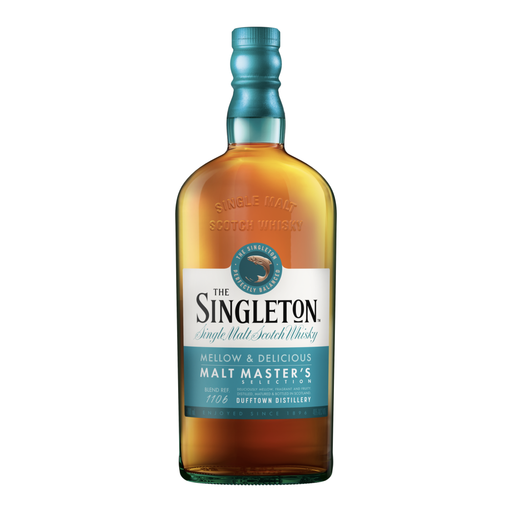
Why This Fits Their Persona: This Speyside whisky is crafted to be exceptionally smooth and approachable. It's an ideal starting point for anyone new to single malts, offering a pleasant experience without the intimidating intensity of a peated whisky.
It sidesteps the "age statement trap" by focusing on a consistent flavour profile rather than a number. It also counters the "peat is quality" myth by showcasing the classic, fruity and smooth style of Speyside.
Its profile of honey, vanilla and fresh pear is easy to enjoy. The buttery smoothness makes it perfect for drinking neat or with a single ice cube.
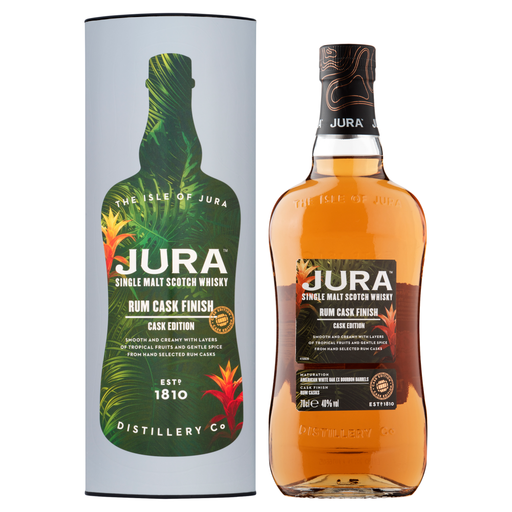
Why This Fits Their Persona: For those who have tried the basics and want something different, this Jura offers a unique twist. Its secondary maturation in Caribbean rum casks adds layers of tropical fruit and spice to its smooth island character.
This avoids the "exotic cask" fallacy because the rum finish is well-integrated, complementing the base spirit's notes of vanilla and fudge rather than overpowering them. The quality of the original Jura malt shines through.
It delivers a distinctive flavour profile with notes of guava, mango, and sweet cinnamon spice. It's a great conversation starter and a step away from more traditional profiles.
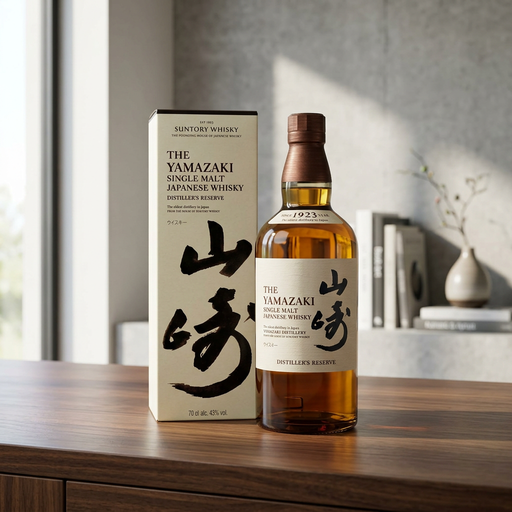
Why This Fits Their Persona: As a flagship **Japanese single malt whisky**, Yamazaki carries a reputation for quality and craftsmanship. It's an elegant and sophisticated choice for a **whisky gift set** or special occasion, sure to be appreciated by both novices and connoisseurs.
This is a premier example of a non-age-statement whisky that debunks the "age is everything" myth. Its complexity comes from a masterful blend of young and old whiskies matured in different casks, including rare Mizunara oak.
It offers a beautifully balanced and complex profile with notes of strawberry, cherry and white peach, with a clean, lingering finish. The use of Mizunara oak adds a unique incense-like spice.
We have compiled a complete, real-time list of products that fully satisfy these strict selection criteria and UK safety regulations.
A single malt whisky is made at a single distillery using only malted barley, water and yeast. A blended whisky, on the other hand, is a mixture of one or more single malts with grain whiskies from various distilleries. Single malts typically offer a more distinct and characterful flavour profile specific to their distillery of origin.
To preserve its quality, you should store your whisky bottle upright in a cool, dark place, away from direct sunlight and significant temperature fluctuations. Storing it upright prevents the high-alcohol spirit from corroding the cork over time, which could taint the whisky and cause the seal to fail.
Unlike wine, whisky does not mature further once it is bottled. An unopened bottle can last for many years without its quality degrading, as long as it is stored correctly. After opening, the whisky will slowly begin to oxidise. While it won't "go bad" in the traditional sense, its flavour profile may start to change subtly over a year or two. It is generally a good idea to consume an opened bottle within that timeframe.