
24/7 Customer Support

Free returns

Same-day & Next-day Delivery

Quality Guaranteed

Unlock Your Welcome Offers: FREE Delivery | Up to 80% OFF | Free 30-day JoyPlus trial
Download the APP
Navigating the world of single malt whisky can feel overwhelming. Shelves are lined with bottles boasting impressive age statements, exotic cask finishes and evocative regional names. While this variety is exciting, it also creates pitfalls for the unwary buyer. It’s easy to spend a significant amount on a bottle that looks the part but doesn't match your taste.
As a Joybuy Product Recommendation Officer, my role is to help you see past the marketing jargon. This guide will break down the common traps and highlight the key factors that genuinely determine a whisky's character, ensuring your next purchase is a satisfying one, whether it's a personal treat or a thoughtful whisky gift.
Before you add a bottle to your basket, be aware of these common misconceptions that can lead to disappointment:
To make an informed choice, focus on these three fundamental characteristics that define a single malt's flavour.
The type of wooden cask a whisky is aged in is arguably the single most important factor in its final taste. The spirit can spend years, even decades, drawing flavour and colour from the wood.
Peat is decomposed vegetation that is burned to dry the malted barley, infusing it with a distinctive smoky aroma and flavour.
If you see "peated" on the label, expect smoke. If not, it's likely to be a smoother, less smoky experience.
Every distillery has a unique production method—from the shape of its copper stills to the source of its water—that creates a signature spirit. A single malt whisky is the product of one single distillery, giving it a distinct identity. This is different from blended whiskies, which combine malts from various distilleries. While Scotland is the historic home of single malt, excellent expressions are now made worldwide, with Japanese whisky in particular gaining acclaim for its elegance and precision.
To help you find the right bottle, we've matched some excellent single malts to different preferences, explaining how they deliver on their promise.

Why This Fits Their Persona: For those who actively seek the bold, uncompromising flavour of a classic Islay whisky. This is not a subtle dram; it's a full-frontal assault of peat smoke, seaweed and medicinal notes that defines the category.
It sidesteps the age statement illusion. Its value lies in its powerful, iconic flavour profile, not its age. It delivers exactly what a peated whisky lover is looking for, without needing a high number on the label.
A benchmark for heavily peated Scotch, offering an intense experience of campfire smoke and coastal salinity, balanced by an underlying sweetness.
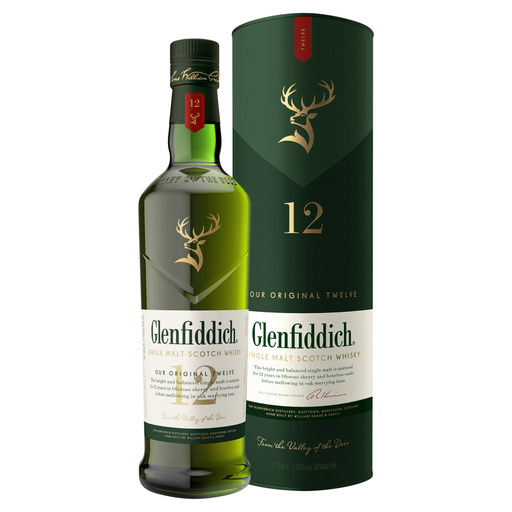
Why This Fits Their Persona: An ideal starting point for anyone new to single malts. It's famously smooth, light and approachable, with a clean, fruity profile that is easy to enjoy and understand. A perfect choice for a first **premium whisky for sale** purchase.
It avoids the regional stereotype trap. As a textbook Speyside single malt, it delivers exactly the accessible, fruity character the region is known for, making it a reliable and safe introduction without any intimidating flavours.
Consistently smooth and well-balanced. Its signature notes of fresh pear and subtle oak from maturation in American and European oak casks make it exceptionally drinkable.
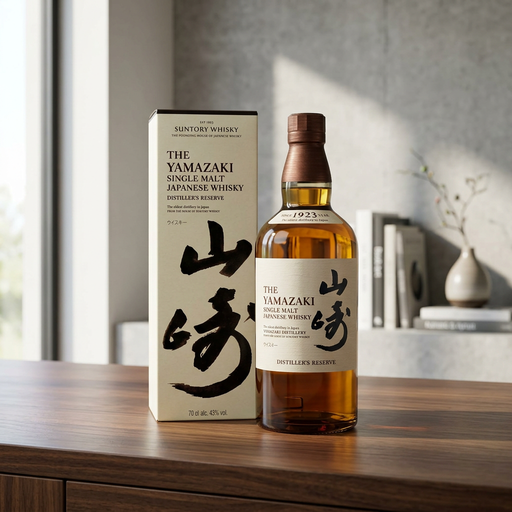
Why This Fits Their Persona: For the drinker looking to explore beyond Scotland. This Japanese whisky offers a different, yet equally complex, profile. It's elegant, refined and showcases the meticulous art of Japanese blending and maturation.
This No Age Statement (NAS) whisky proves that quality comes from craftsmanship, not just time. It masterfully blends young and old whiskies from various casks to create a complex flavour that defies the age statement illusion.
A complex and fresh bouquet of strawberry, cherry and the distinctive incense-like note of Japanese Mizunara oak. It's exceptionally balanced and smooth.
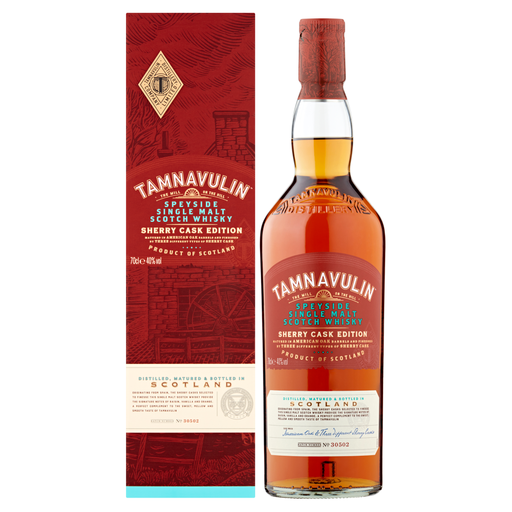
Why This Fits Their Persona: This is for the drinker who enjoys a rich, sweet and fruity profile. It's an accessible and flavourful introduction to the world of sherry cask maturation without a prohibitive price tag.
It avoids the "limited edition" lure by being transparent. The name clearly states its purpose: a sherry cask finish. It delivers on that promise with notes of raisin, vanilla and orange, focusing on flavour over artificial scarcity.
Offers a rich and smooth profile with warm, sweet flavours of maple syrup and raisin. Its finish in three different sherry casks provides a satisfying complexity.
We have compiled a complete, real-time list of products that fully satisfy these strict selection criteria and UK safety regulations.
1. What is the difference between single malt and blended whisky? A single malt whisky is made from 100% malted barley at a single distillery. This gives it a unique, distinct character that reflects its origin. A blended whisky is a mixture of one or more single malts with grain whisky, often from many different distilleries. Blends are typically created for a consistent, smooth and often more accessible flavour profile.
2. How should I store my single malt whisky once opened? Whisky does not mature further once bottled. To preserve its flavour, store the bottle upright in a cool, dark place, away from direct sunlight and temperature fluctuations. A tightly sealed cap is crucial to prevent oxidation, which can dull the flavours over time. An opened bottle of whisky 70cl can maintain its character for a year or more if stored correctly.
3. Is a 12 year old single malt a good starting point? Yes, a 12 year old single malt is often an excellent starting point. This age typically provides a good balance between the vibrant character of the spirit and the mellowing, complex influence of the cask. Many iconic and approachable whiskies, like Glenfiddich 12 or The Glenlivet 12, fall into this category, offering great quality and value.