
24/7 Customer Support

Free returns

Same-day & Next-day Delivery

Quality Guaranteed

Unlock Your Welcome Offers: FREE Delivery | Up to 80% OFF | Free 30-day JoyPlus trial
Download the APP
Buying single malt whisky can be surprisingly confusing. Labels may highlight age, rare casks or a famous region, yet these details do not always tell you whether the bottle suits your palate, budget or intended occasion.
Whether you are choosing a bottle for yourself, building a collection or looking for a whisky gift, the most useful approach is to compare objective information first. Region, alcohol strength, cask type, bottle size and flavour profile usually matter more than impressive-sounding marketing language.
Age statements indicate the youngest whisky in the bottle, not a guaranteed flavour preference or quality ranking. A younger single malt may be lively, sweet or strongly smoky, while an older bottle may be softer and more oak-led. Consider the flavour style and maturation details alongside the age.
Also check whether the bottle carries an age statement at all. Expressions such as a distillery reserve or cask edition may focus on blending different maturations rather than displaying a specific age.
Region offers a helpful starting point, but it is not a strict flavour rule. Speyside whisky is often associated with fruit and sweetness, yet peated examples also exist. Highland whisky covers a broad range of styles, while Islay whisky is frequently linked with peat, sea air and smoke.
Cask selection, distillation style and the use of peated malt can change the final profile considerably. Read the tasting notes and product specifications rather than relying on the region alone.
Heavy packaging, gift boxes and limited-edition wording can increase the price without making the whisky more suitable for the recipient. For a whisky gift, check the recipient’s preferences first: do they enjoy peated whisky, sweet sherry cask whisky, lighter fruit notes or a stronger bottling?
A 70cl bottle is a standard choice for sharing or gifting, but a higher alcohol percentage may not suit someone new to whisky. A 40% ABV bottle can be a more approachable starting point, while 43% to 46.3% ABV expressions may offer a fuller, more concentrated style.
Most bottles in this selection are 70cl whisky, equivalent to 700ml. Alcohol strength varies:
A typical 25ml serving of 40% whisky is approximately one UK unit. The UK Chief Medical Officers advise that adults should not regularly exceed 14 units per week. Drink responsibly, never drink before driving and avoid alcohol during pregnancy.
Cask information is one of the most practical ways to predict flavour:
For example, Tamnavulin Sherry Cask Edition lists American oak and three different sherry casks, with tasting notes including raisin, orange, vanilla and maple syrup. Auchentoshan American Oak is matured exclusively in American bourbon casks, with vanilla and coconut-led notes.
Peat intensity differs significantly between bottles. Smoky whisky may range from a gentle campfire note to a powerful combination of peat, salt and coastal character. Islay expressions such as Smokehead and Laphroaig are more suitable for drinkers who actively seek a pronounced smoky profile.
Serving suggestions can also influence your decision. Some whiskies are designed to be enjoyed neat or with water, while others work well over ice or in a highball. Dalwhinnie Winter’s Gold is specifically listed with a freezer-serving recommendation, whereas Hakushu and Yamazaki can be served neat, with water or as a highball.
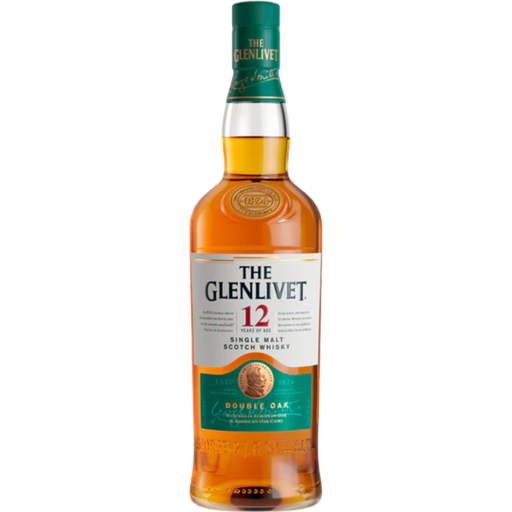
Why This Fits Their Persona: A 40% ABV Speyside whisky in the familiar 70cl format, suitable for newcomers comparing classic fruit-led single malts.
The 12-year age statement is clear, but the choice can still be judged by its listed region, ABV and serving needs rather than age alone.
Speyside origin; 40% ABV; 70cl bottle; listed notes include pear, malt and a mellow finish.
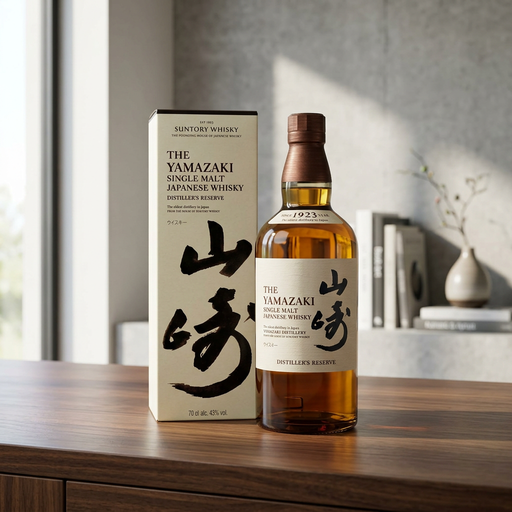
Why This Fits Their Persona: A Japanese single malt whisky with a 43% ABV strength and a cask combination including American oak, Oloroso sherry and Mizunara oak.
Its appeal is supported by stated production origin, cask details and serving options, rather than presentation alone.
43% ABV; Japanese origin; fruit, vanilla, spice and Mizunara oak notes listed.

Why This Fits Their Persona: Designed around a pronounced peated and smoky profile for drinkers who specifically want a stronger Islay-style dram.
The intense peat character is made clear, reducing the risk of buying a smoky whisky when a gentle, sweet style was expected.
Islay origin; 40% ABV; listed notes include earthy smoke, sea salt and spice.
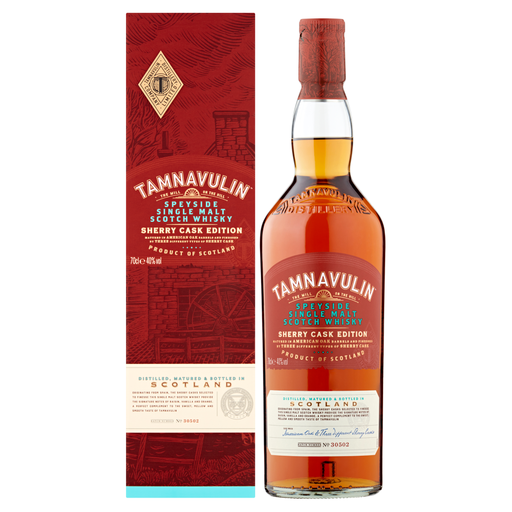
Why This Fits Their Persona: A practical choice for those who prefer sweet, fruit-forward whisky for relaxed sipping, dessert pairing or gifting.
The listing identifies the American oak and sherry cask influence, so shoppers can assess maturation rather than relying on the word “premium”.
Speyside origin; 40% ABV; listed raisin, orange, vanilla and maple syrup notes.
We have compiled a complete, real-time list of products that fully satisfy these strict selection criteria and UK safety regulations.
No. Single malt Scotch whisky must be made in Scotland from malted barley at one distillery and follow Scotch whisky production and maturation rules. Japanese single malt whisky is produced in Japan and can have a different regional and cask character. Check the country and region on the label before buying.
Store whisky upright in a cool, dry and dark place away from direct sunlight. Keep the cap or cork tightly sealed. Whisky does not generally improve in the bottle after opening, and a bottle with a low remaining volume can gradually experience more oxidation over time. Buying a bottle size you expect to finish responsibly can help preserve its character.
No. Price reflects factors such as age, cask type, production scale, availability, packaging and brand positioning. A reasonably priced 70cl bottle may suit everyday sipping, while a premium whisky gift may justify distinctive packaging or a less common origin. Compare the stated ABV, maturation, size and tasting style before deciding what represents suitable value for you.