Weekly meal-prep cooks
If you make a large lentil cottage pie regularly, check that the main cavity fits your dish. A documented multi-level cooking mode is worth considering if you also use other shelf levels.


Choose a full-size single fan oven if one large pie and cooking on several shelf levels matter more than separate temperatures. A double oven makes more sense when you regularly cook another dish in its own cavity, provided the main cavity fits your pie dish. Before choosing either format, check the cabinet opening, electrical connection and cleaning system for the exact model.
If you make a large lentil cottage pie regularly, check that the main cavity fits your dish. A documented multi-level cooking mode is worth considering if you also use other shelf levels.
A double oven is relevant when the pie needs to bake while a side, dessert or another dish uses a separate cavity and potentially a different setting.
When replacing an integrated oven, match the new appliance and its installation requirements to the cabinet opening and electrical supply before comparing cooking features.
Start with the space your pie dish needs and whether another dish requires its own cavity. Then compare cooking modes, installation requirements and cleaning systems on models that fit.
| Concern | Buying check | Who this matters to |
|---|---|---|
| Even heat and multiple shelves | Look for a stated fan mode and multi-level capability; consult independent results for the exact model if heat distribution matters to you. | I want the pie to brown evenly while another tray cooks on a different shelf, but a fan setting alone does not settle that choice. Around 33% of consumers would put even heat and multi-shelf cooking first. |
| Cavity size and layout | Measure your pie dish against the usable main cavity, then decide whether one uninterrupted space or two separate cavities is more useful. | If I usually cook one substantial pie, I need room in the main oven; if another dish needs a different setting, I need a second cavity. Cavity layout would be the primary concern for around 27% of consumers. |
| Cabinet and electrical fit | Compare the installation diagram with your cabinet and check the exact model's connection type, electrical load and fuse requirement. | A replacement has to fit my kitchen and its electrical supply before its cooking features are useful to me. Around 20% of consumers would make installation fit their first concern. |
| Cleaning effort | Identify the exact cleaning system and check what preparation or wiping its instructions require. | When I make pies repeatedly, dealing with baked-on residue affects how convenient the oven feels to use. Cleaning would come first for around 20% of consumers. |
A fan mode describes how the oven circulates heat, not how accurately a particular model controls temperature. Which? assesses heat distribution and control accuracy separately in its built-in oven testing.
Use stated fan and multi-level modes to narrow your choices, then look for independent results for the exact model where available.
Single, tall double and built-under ovens need different spaces. Some models also require a fixed electrical connection rather than a plug.
Check the model's installation diagram and electrical requirements against your kitchen before ordering. Electrical Safety First advises having an oven fitted by a qualified electrician.
A double oven lets you cook dishes separately, but its cavities cannot be combined to fit an oversized pie dish.
Measure the dish and check the main cavity's usable shelf and tray dimensions. If uninterrupted space is the priority, compare full-size single ovens.
AEG has relevant full-size single and tall double-oven examples for buyers comparing cavity space and cooking modes.
Beko's BBTF26300 is a built-under double-oven example for kitchens where two cavities are wanted beneath a worktop.
Bosch's MBA578BS7B illustrates the tall double-oven route.
Neff's U2ACH7AG7B is another tall double-oven example where separate cavities and multi-level cooking are priorities.
These built-in single and double ovens offer different cavity layouts for a batch-cooked pie. Check the main cavity against your dish and the installation requirements against your kitchen before choosing a model.
 No image available
Consider this built-in double oven if you want a separate cavity for another dish while the pie bakes. Check the main cavity and installation instructions against your dish and cabinet.
 No image available
The double-oven layout is relevant if you often prepare another dish alongside the pie. Confirm the main cavity's usable dimensions and the required cabinet opening before ordering.
 No image available
A single cavity keeps the baking space together if one pie is your main task, but it cannot provide a separate oven temperature for another dish. Check the cooking modes, internal fit and installation instructions for this model.
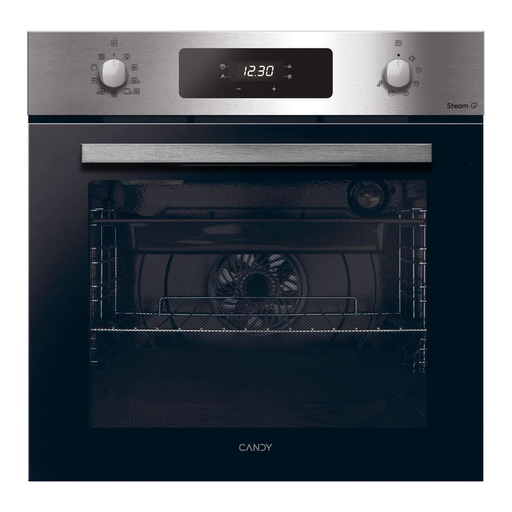 No image available
This single-oven format is worth considering if one cavity and a pyrolytic cleaning function suit your routine. Check pie-dish fit, cooking modes and the electrical connection, and follow the model's cleaning instructions.
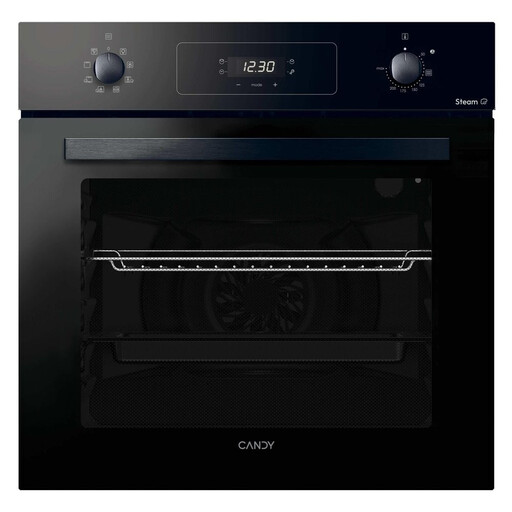 No image available
The stated 65 L single cavity may suit a pie cooked in one oven space; confirm that your dish fits its usable dimensions. If you plan to cook on several levels, check the model's cooking instructions and connection requirements.
A fan oven is a useful option if cooking on several shelf levels matters to you, but a fan label alone does not establish how evenly a particular model heats. AEG, Bosch and Neff document multi-level modes on specific ovens; check the exact model's instructions and independent test results where available.
A double oven is worthwhile when you regularly need a separate cavity for another dish or setting while the pie bakes. If one large pie is the main task, compare the usable space in a full-size single oven with the main cavity of a double oven before deciding.
Check the exact model's installation instructions, electrical load and connection requirements against your kitchen before ordering. Electrical Safety First advises having an oven fitted by a qualified electrician; electrical-installation requirements also differ across the UK nations, so ask the installer which requirements apply to the work.
Reheat a portion until it is steaming hot throughout rather than merely warm. GOV.UK food-hygiene guidance for businesses also advises reheating food only once; follow appropriate food-handling guidance alongside your oven and recipe instructions.