Bake-sale batch organiser
You need room to plan several trays of wedges and a cleaning routine that leaves the oven ready for other preparation.


For repeated trays of beetroot wedges cooked at the same temperature, start by considering a built-in single oven with a stated multi-level hot-air function. A double oven makes more sense when you need separate cavities for other dishes or cooking tasks, provided your kitchen can accommodate it. Check the tray arrangement, cabinet opening and electrical connection before buying, and plan food hygiene and allergen information separately from the oven choice.
You need room to plan several trays of wedges and a cleaning routine that leaves the oven ready for other preparation.
You often prepare large quantities and want to assess whether multi-level cooking at one temperature or two separate cavities would be more useful.
You are replacing or adding a built-in oven, so the cabinet opening and electrical connection have to work before cooking features can influence the choice.
Choose it when: Your beetroot trays can cook on the same programme and the exact oven specifies multi-level hot-air cooking.
Trade-off: One cavity cannot run a separate dish at a different oven setting.
Choose it when: The bake sale calls for parallel cooking or finishing tasks that benefit from separate cavities.
Trade-off: It needs a suitable taller opening; check each cavity’s usable space rather than judging capacity by exterior height.
| Concern | What to check | Who this matters to |
|---|---|---|
| Tray capacity | Check usable shelf positions and supplied trays. Decide whether the batch needs several levels at one temperature or separate cavities. | If I have many wedges to prepare, the trays I can use in one cooking session shape my plan; roughly 36% of consumers put batch throughput first. |
| Roasting consistency | Look for a stated multi-level hot-air function and consult independent heat-distribution testing where available. | When I serve wedges from successive trays, I want dependable browning and tenderness; consistency comes first for roughly 29% of consumers. |
| Installation | Compare the exact installation drawing with your cabinet opening and confirm the model’s electrical connection requirements. | If I am replacing a built-in oven, a model that will not fit or connect as required is not a workable choice; roughly 21% of consumers prioritise installation fit. |
| Cleaning and turnaround | Check the cleaning method and the manual’s instructions for trays, cooldown and cleaning cycles. | After a long roasting session, I need the oven ready for the next preparation task; cleanup is the primary concern for roughly 14% of consumers. |
A fan setting alone does not establish how evenly a particular oven heats loaded trays. Which? assesses heat distribution and control accuracy in its oven testing.
Check whether the exact model specifies multi-level cooking, follow its tray-position guidance and consult independent model-level testing where available.
The Bosch MBA533BS3B and Neff U2ACH7AG7B double ovens are each specified at 888 mm high, and their manufacturer pages call for fixed electrical connection by an electrician.
Compare the installation drawing with your cabinet and arrange the required electrical work before delivery.
An electrician’s visit or changes to the cabinet may also need arranging before the oven can be used.
An oven choice does not settle how food will be handled, cooled or presented at a bake sale. GOV.UK and the Food Standards Agency state that food supplied at charity or community events must be safe to eat.
Plan hygiene and allergen information for the event, and check the guidance for the UK nation where it takes place.
Retailer listings can change, so a product page seen earlier is not enough to plan an installation date around a particular model.
Before ordering, confirm the complete model code, current availability, installation arrangements and warranty terms on the current product page.
The MBA533BS3B is a reference point for a built-in double oven with a stated multi-level hot-air function.
Neff has single- and double-oven examples for cooks assessing multi-level baking.
The HOI68PT1SXUK provides a single-cavity example with a manufacturer-stated multi-level cooking function.
The NBU5P401LB is a single built-in oven to consider when cavity size and stated multi-level cooking matter.
These built-in single and double ovens offer different starting points for a bake-sale cooking plan. Check the exact model’s tray guidance and installation requirements against the batches and kitchen space you have in mind.
 No image available
Consider this single oven if your wedges can cook in one cavity. For several trays at once, check the HHF113BA0B manual for suitable cooking modes and shelf positions, and confirm the cabinet opening and electrical connection.
 No image available
Consider the double-oven format if wedges and another dish need separate cooking spaces. Check each cavity’s usable tray arrangement, the installation dimensions and the electrical requirements before choosing this 90 cm model.
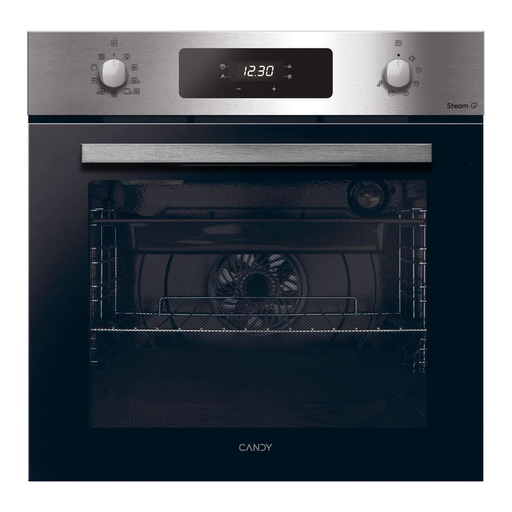 No image available
Consider this single oven if a pyrolytic cleaning option matters after roasting. Check its manual before planning simultaneous trays, and confirm the required cabinet opening and electrical connection.
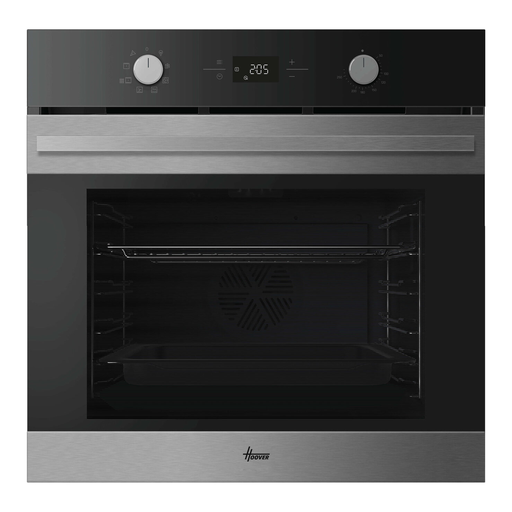 No image available
If cavity volume is important to your batch plan, this model is labelled 78 L. Confirm its cooking modes and usable tray positions before assuming that several trays can roast together.
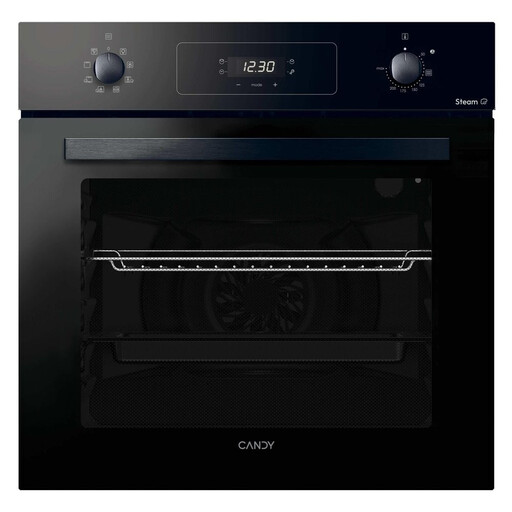 No image available
For a more modest batch plan, consider whether this 65 L single oven accommodates the trays you intend to use. Check its approved cooking modes and shelf positions, then confirm the installation and electrical arrangements.
Start with the recipe’s setting, not an appliance preset. A delicious. magazine roast-beetroot recipe uses 190°C conventional, 170°C fan or gas 5 for about 40 minutes; wedge size, tray load and your oven can affect the cooking time, so check that the beetroot is tender before serving.
No, not if a suitable single oven can handle your trays on the same programme. A double oven is worth considering when you need separate cavities for parallel tasks, but confirm both cavity space and installation requirements before choosing one.
Registration is not automatic for every occasional charity event; how regularly and how formally you supply food matters. Guidance for England, Wales and Northern Ireland and separate Food Standards Scotland guidance address occasional and regular activity differently, so ask the relevant local authority food-safety team about your event.
Identify the ingredients and any applicable allergens in the wedges and anything served with them. The information required depends on whether the activity is a registered food business and how the food is packaged; GOV.UK and Food Standards Agency guidance also encourages allergen information where possible for community events.
Plan safe handling and display separately from the roasting schedule. Food Standards Scotland advises keeping foods that normally require refrigeration chilled and avoiding cross-contamination; follow the food-safety guidance applicable where your event is held.