Family-meal batch bakers
If a family casserole dish is the main event, check its dimensions against the usable cavity and shelf arrangement. The oven’s advertised front width alone will not tell you whether the dish or the appliance will fit.


For one family-sized lentil cottage pie, start with a built-in single oven if your casserole dish fits its cavity and the model suits your cabinet and electrical supply. A double oven becomes useful when you regularly cook dishes at different temperatures; whichever format you choose, assess cleaning features separately from cooking performance and installation fit.
If a family casserole dish is the main event, check its dimensions against the usable cavity and shelf arrangement. The oven’s advertised front width alone will not tell you whether the dish or the appliance will fit.
If vegetables, bread or dessert often need a different temperature while the pie cooks, two oven cavities may help. The built-in oven guidance distinguishes tall double ovens from built-under doubles; check the main cavity size as well as the space needed for installation.
If bubbling filling or topping makes cleaning a recurring task, compare the exact models’ pyrolytic, catalytic and steam-assisted cleaning arrangements. Follow each manufacturer’s care instructions rather than assuming the systems work in the same way.
Choose the oven format around the meals you actually cook, then check the dish space, cooking modes, cleaning arrangements and installation requirements of the exact model.
Choose it when: One cottage pie and straightforward accompaniments normally need one cooking cavity.
Trade-off: Dishes needing different temperatures must share a setting or be cooked at different times. The product information describes a built-in single oven as one cavity containing the oven and grill.
Choose it when: You regularly need separate cooking spaces for the pie and another dish.
Trade-off: A tall double needs suitable housing, while a built-under double may leave less room in its main cavity than a single oven. Check the layout before deciding that two cavities will help, as the oven guidance advises.
| Concern | What to check | Who this matters to |
|---|---|---|
| Even baking and browning | Check the exact cooking modes and, where available, independent assessments of heat distribution and temperature accuracy. Which? assesses oven controls at different settings; a fan or airflow feature alone does not establish the result. | If I am baking one large pie, I want the filling heated through and the topping browned without scorched edges. Around 33% of consumers put that baking concern first. |
| Dish space and meal flexibility | Compare your casserole dish with the usable cavity and shelf layout; decide whether another dish needs a separate cooking zone. | When sides or dessert need the oven too, I want room to manage the meal without awkward batching. Roughly 25% of consumers prioritise dish space and meal flexibility. |
| Cleaning after spills | Compare the exact model’s cleaning system and care instructions, including what must be done before or after a cleaning cycle. | If saucy bakes regularly spill, I would rather reduce the manual clean-up afterwards. About 25% of consumers make cleaning effort their primary concern. |
| Cabinet and electrical fit | Match the manufacturer’s required niche and clearances to your cabinet, then check the connection and electrical load. Review the model’s energy information separately. | I cannot use an oven that does not suit my housing or electrical supply, even if its cooking features appeal to me. Around 17% of consumers put installation fit first. |
A description of the oven’s front size does not establish the cabinet opening it requires. Single, tall double and built-under formats also differ in height.
Measure the available height, width and depth, then compare them with the installation instructions and clearances for the exact model.
An incompatible opening may mean altering the cabinet before the oven can be fitted.
Connection requirements differ by model. Bosch lists its HBS573BB0B with no fitted plug, while Electrical Safety First advises checking power requirements and having an oven fitted by a qualified electrician.
Check the model’s connection type and electrical load against your supply before ordering, and arrange qualified electrical work where required or where the supply is uncertain.
Pyrolytic, catalytic and steam-assisted features address maintenance in different ways. None establishes whether a casserole dish fits or how accurately an oven holds its temperature.
Settle the cooking-space and installation questions first, then compare the cleaning instructions of the models still under consideration.
Energy information and cooking performance answer different questions. Which? assesses factors such as control accuracy when testing ovens; an energy class does not report those results.
Use the model’s energy documentation for energy comparisons and look separately at cooking modes and relevant independent oven tests.
These manufacturer examples show features worth comparing on specific built-in ovens; check the specification of any model you are considering.
Bosch’s Series 4 HBS573BB0B is an example to examine if automatic programmes and pyrolytic cleaning matter alongside a built-in single-oven format.
Beko’s BBIMA17300 is a 60 cm built-in multifunction example for comparing cavity space, cooking features and cleaning arrangements.
AEG’s PO7001SPT illustrates a feature-rich built-in option when you also cook dishes that call for more than a single pie-baking setting.
Miele’s H 7260 BP CulinArt is a model-specific example for comparing a larger stated cavity with automatic programmes and pyrolytic cleaning.
These ovens cover single-cavity cooking, a double-oven option for separate dishes and different approaches to cleaning. Choose by the space and cooking arrangement you need, then confirm the exact model’s installation requirements.
 No image available
This single oven is worth considering when one cavity is enough for the pie and any accompaniments you cook together.
Check your dish against the usable space and confirm the cabinet opening. Review the hardwired installation requirements with a qualified electrician.
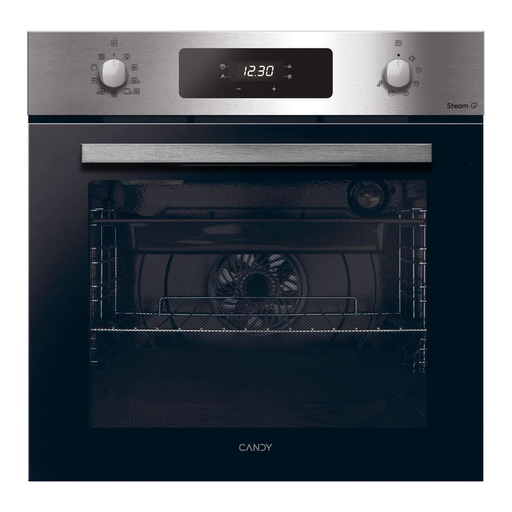 No image available
Consider this single-cavity option if baked-on spills make a pyrolytic cleaning feature relevant to your family cooking.
Follow the model’s cleaning instructions, and check its required cabinet opening and electrical connection before ordering.
 No image available
A double oven is relevant when the pie and another dish regularly need separate cooking spaces.
This is a 90 cm built-in format. Confirm the required taller housing, ventilation clearances and electrical supply before choosing it over a single oven.
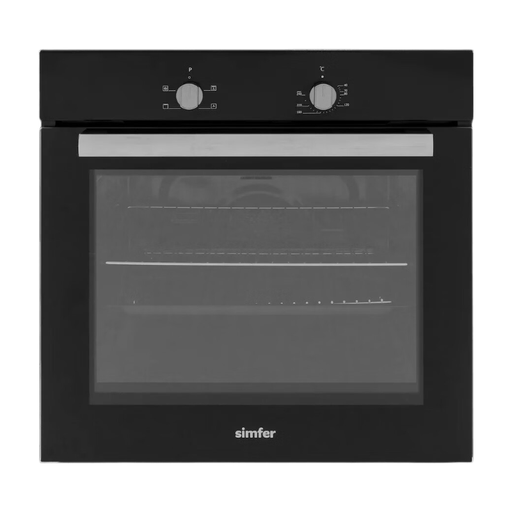 No image available
This single fan oven is an option when the family pie can be cooked in one cavity.
Check the space available for your dish. Confirm which published dimensions apply to the cabinet opening and review the electrical installation instructions before ordering.
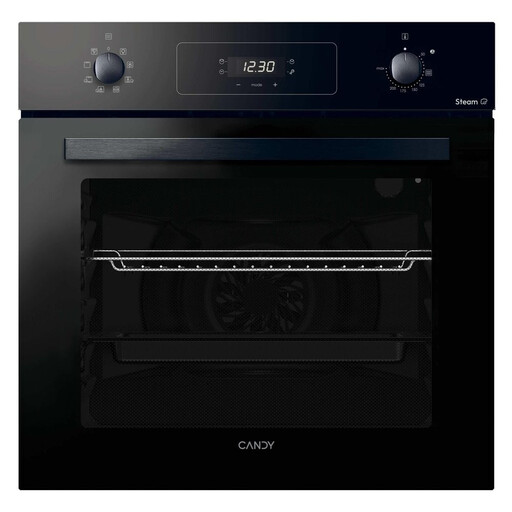 No image available
Consider this single oven if its cavity layout accommodates your family dish and you want to compare a steam-assisted cleaning option.
The title states a 65 L capacity; litres alone do not confirm dish fit. Check the manufacturer’s cabinet clearances and electrical connection instructions.
A single built-in oven can be enough when your casserole dish fits its usable cavity and you do not regularly need another cooking temperature at the same time. The oven guidance notes that a double oven provides separate spaces, but a built-under double may have a smaller main cavity than a single oven.
No: the format or front-width description does not establish the opening and clearances required for installation. Measure your cabinet and compare it with the exact model’s manufacturer installation instructions, including its depth and ventilation requirements.
Check the exact oven’s electrical requirements before purchase and arrange qualified installation where required or where your supply is uncertain. Electrical Safety First advises having an oven fitted by a qualified electrician; Bosch specifically lists its HBS573BB0B with no fitted plug and connection by an electrician.
It is worth considering if baked-on spillages make oven cleaning a regular burden. Bosch, AEG and Miele list pyrolytic cleaning on specific models, but the feature does not establish baking performance or cabinet fit; compare each model’s care instructions alongside those separate requirements.