A single built-in oven with a fan or multi-level setting is a sensible choice if your usual lunchbox batch fits in one cavity. Consider a double oven when you need a separate cavity for another dish or temperature at the same time, but check the cabinet opening, electrical connection and cleaning method before choosing either format.
Who is this for?
Regular lunchbox batch bakers
If you bake several pasties or snacks at once, an oven with a stated multi-level setting is worth considering. Check the exact model's shelf guidance rather than assuming that every fan oven handles several trays in the same way.
Built-in oven replacement buyers
A replacement must suit both the cabinet opening and the kitchen's electrical arrangement. Check the model's installation instructions before treating a built-in oven as a straightforward swap.
Home cooks who want manageable clean-up
Pastry and filling spills make the cleaning method relevant to everyday use. Compare the care instructions for the particular oven, not just the name of its cleaning feature.
What matters when choosing?
Choose between one cavity and two according to what you cook at the same time; then check baking settings, installation requirements and cleaning.
Single built-in oven
Choose it when: Your usual pasty batch fits in one cavity and you have no need to cook another dish at a separate oven temperature.
Trade-off: Multi-level cooking does not give you a second independently controlled cavity.
Built-in double oven
Choose it when: You regularly need a second cavity while baking a lunchbox batch.
Trade-off: Check the intended housing carefully: NEFF lists its U2ACH7AG7B double oven at 888 mm high, compared with 595 mm for Bosch's HQA534BB3B single oven.
| Concern | What to check | Who this matters to |
|---|
| Even batch baking |
Check the exact model's fan or multi-level settings and guidance on usable shelf positions. |
If I bake pasties on several trays, I want a setting intended for more than one shelf without assuming identical browning. Around 31% of consumers put batch baking first. |
| Fit and installation |
Compare the cabinet opening with the installation dimensions, then check the connection type and electrical requirements. |
When replacing an integrated oven, I need it to fit my kitchen and be connected appropriately. For roughly 31% of consumers, fit and installation come first. |
| Cleaning |
Identify the precise cleaning system and read its care instructions. |
Frequent pastry or filling spills make the clean-up after baking important to me; around 19% of consumers prioritise cleaning. |
| Capacity and energy label |
Choose a cavity size for your normal batch, then compare energy labels between comparable ovens. |
If I usually bake one batch, I do not want to choose extra capacity solely for occasional use. Capacity and energy-label considerations come first for roughly 19% of consumers. |
Buying pitfalls
-
Assuming a built-in oven will be a simple plug-in replacement
Bosch specifies no plug and electrician connection for the HQA534BB3B; NEFF specifies fixed electrical connection for the U2ACH7AG7B. Electrical Safety First advises having ovens fitted by a qualified electrician.
Check the chosen model's connection and electrical requirements against your kitchen before ordering, and arrange a qualified electrician where required.
-
Choosing two cavities just for a larger pasty batch
A second cavity is useful for a separate dish or temperature, but it does not replace checking the shelf capacity you need for pasties. A double oven may also require a different cabinet opening.
Consider a multi-level single oven if one cavity covers your routine; choose a double oven when you will use its second cavity.
-
Treating cleaning features as interchangeable
The named systems differ by model: Bosch lists EcoClean Direct and hydrolytic cleaning for the HQA534BB3B, AEG lists Aqua Clean for the BSX23101XM, and NEFF lists pyrolytic and EasyClean options for the U2ACH7AG7B.
Read the chosen oven's cleaning instructions and consider which routine you would actually use after spills.
-
Choosing an oversized oven by energy class alone
The Energy Saving Trust notes that appliance size matters alongside an energy rating: a larger appliance can use more energy even when it has the same rating.
Settle on the cavity arrangement and size your usual batch needs before comparing labels for comparable models.
Brands to consider for built-in ovens
Bosch
Bosch's HQA534BB3B is a single built-in oven for buyers considering multi-shelf baking in a standard-height format.
- For this model, Bosch lists 3D Hotair for up to three levels, an added-steam water bowl, EcoClean Direct and hydrolytic cleaning.
- Bosch specifies no plug and electrical connection by an electrician for this model; check its installation requirements against your kitchen.
NEFF
NEFF's U2ACH7AG7B is a built-in double oven for households that will use a separate second cavity.
- For this model, NEFF lists CircoTherm baking on up to three levels, a bread-baking setting and pyrolytic and EasyClean options.
- At 888 mm high, this double oven needs a suitable taller housing; NEFF also specifies fixed electrical connection by an electrician.
AEG
AEG's BSX23101XM is a single built-in option for buyers comparing stated capacity, fan settings and assisted cleaning.
- For this model, AEG lists a 65 L cavity, True fan cooking, Multilevel Cooking and Aqua Clean.
- Aqua Clean is a cleaning feature, not a steam-cooking setting; check the model's cooking functions separately.
Joybuy product choices
These built-in single and double ovens offer different ways to plan lunchbox batches. Choose the cavity arrangement you need, then check the exact model's installation instructions and baking settings.
 No image available
Bosch Series 4 MBA533BB3B Electric Double Oven
Consider this double oven if you need a separate cavity while baking pasties.
Check that the intended housing and electrical installation suit this built-in model before buying.
Joybuy
 No image available
Bosch HHF113BA0B Series 2 Built-in Single Electric Oven
A single-cavity choice if you do not need a separate oven for another dish.
Confirm the shelf guidance, cabinet opening and electrical connection for your installation.
Joybuy
 No image available
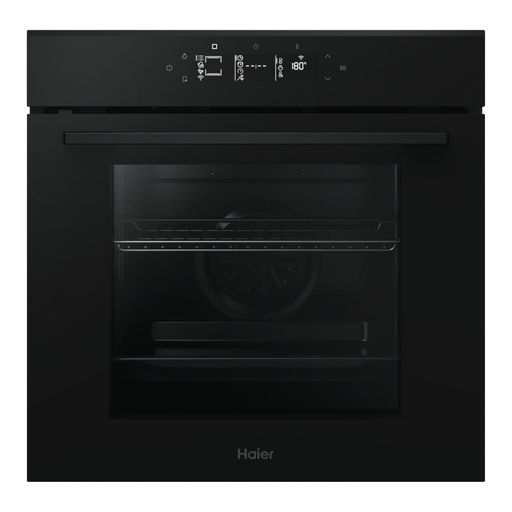
Haier H6 ID25G3HTB2 Series 6 Built-in Electric Oven, 70 L
The stated 70 L capacity makes batch size a useful point to check against your usual trays.
Confirm the exact operating-temperature specification and installation requirements before purchase.
Joybuy
 No image available
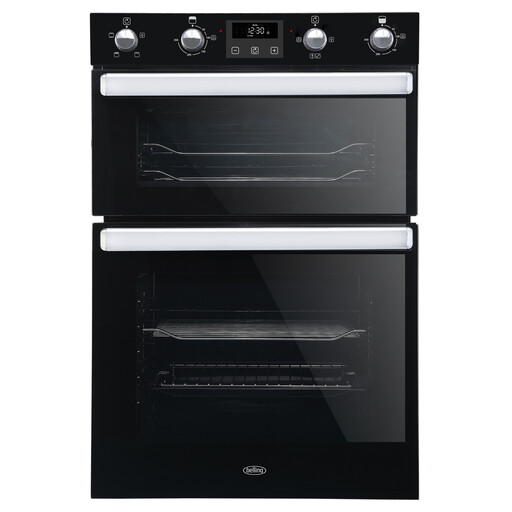
Belling BEL BI902FP Double Electric Built-in Oven
Consider the double-cavity format if you regularly cook another dish alongside pasties.
Check the cabinet dimensions, connection requirements and main-oven shelf guidance for your kitchen.
Joybuy
 No image available
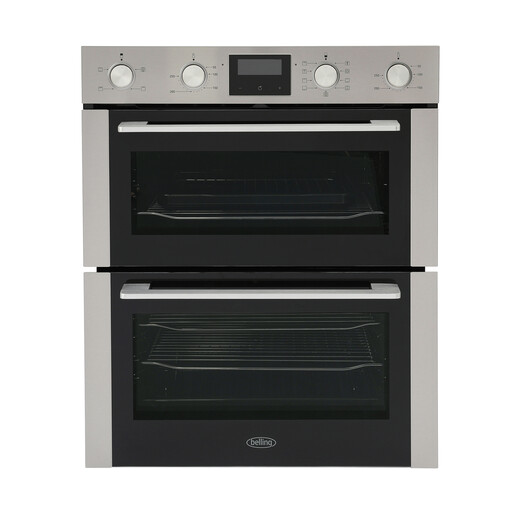
Belling BEL BI703MFC Built-under Electric Oven
The built-under format is relevant if you want a second cavity beneath a worktop rather than in a tall housing.
Check the space available, electrical requirements and usable shelf positions before choosing it for batches.
Joybuy
Common questions
Do I need a double oven to bake lunchbox pasties?
No, if your normal batch fits in one suitably equipped cavity. A double oven becomes useful when you also need another dish cooking in a separate cavity; check the housing space before switching formats.
What should I check before replacing a built-in oven?
Check the installation opening, the exact model's electrical requirements and whether it has a plug or needs fixed wiring. Electrical Safety First advises having an oven fitted by a qualified electrician; Bosch's HQA534BB3B and NEFF's U2ACH7AG7B specify electrician connection.
Is a self-cleaning feature always economical to use?
No: cleaning convenience and energy use are separate considerations. Compare the chosen model's cleaning instructions with how often you expect to use the feature, rather than treating different cleaning systems as equivalent.
Does making vegetable pasties at home require food-business registration?
Making pasties for a private household is different from running a food business. If you plan to prepare or sell food as a business, GOV.UK guidance says food businesses must register with their local authority; check the requirements that apply before trading.


