What matters when choosing?
Built-in single oven
Choose when: One main cavity handles your usual tray of wedges and the rest of your meal.
Trade-off: A single cavity cannot cook another dish at a different oven temperature at the same time.
Built-in double oven
Choose when: You regularly need a separate cavity while the squash roasts.
Trade-off: Check the taller housing requirement: Neff lists its U1DCC0AK3B double oven at 888 × 594 × 550 mm, compared with 595 × 594 × 548 mm for its B1GCC0AN0B single oven. These are appliance dimensions, not cabinet cut-out measurements.
For consumers choosing a fitted oven chiefly to roast squash wedges, cooking heat, space for other dishes and installation fit lead to different choices.
| Concern |
What to check |
Who this matters to |
| Even roasting |
Check the exact model’s fan or hot-air modes and its manual’s temperature and shelf guidance. Look for independent heat-distribution and control-accuracy testing where available; Which? assesses oven controls rather than treating a mode name as a test result. |
If I mainly roast one tray of wedges, I want the pieces to become tender without markedly uneven browning. Roughly 50% of consumers might make even roasting their primary concern. |
| Room for other dishes |
Compare usable tray and shelf space, and decide whether another dish needs a separate cavity. Check any multi-level cooking claim against the exact model and mode. |
When squash is part of a larger meal, I need enough space to cook the other food on the timetable I want. Around 30% of consumers would put room for other dishes first. |
| Fitting and connection |
Compare the installation drawing with the cabinet opening, then check the model’s electrical or gas connection instructions before arranging installation. |
If I am replacing a fitted oven, I need one that can be installed in my kitchen before its cooking features are useful to me. For about 20% of consumers, fitting and connection would be the leading concern. |
Built-in single ovens on Joybuy
These built-in single ovens suit consumers considering one main cavity for squash wedges. The selection includes electric and gas models, so check fuel type, cooking mode and installation requirements for the oven you are considering.
 No image available
Bosch HHF113BA0B Series 2 built-in single electric oven, black
Consider this single-cavity model if one roasting tray normally meets your needs. Check the exact cooking-mode guidance, cabinet fit and electrical connection in the model instructions before choosing it for your kitchen.
View on Joybuy
 No image available
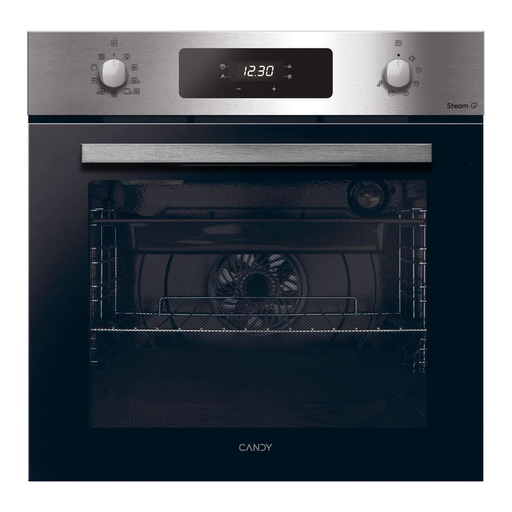
CANDY F CM955XRL/CN single electric oven with pyrolytic cleaning, stainless steel
This built-in single oven is worth considering if cleaning method matters alongside tray roasting. Its name specifies pyrolytic cleaning; check the manual for preparation before a cleaning cycle, as well as the cabinet cut-out and electrical connection requirements.
View on Joybuy
 No image available
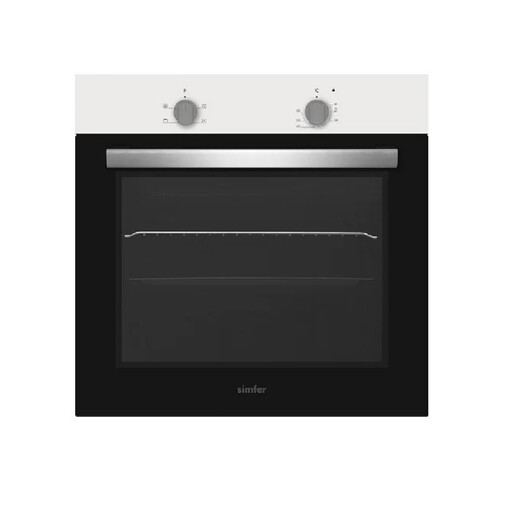
Simfer FO60W built-in single electric oven, white
Consider this model if a single roasting cavity suits your meals. Check its cooking settings and installation instructions for the intended tray position, appliance dimensions and connection method rather than using packaging measurements to judge cabinet fit.
View on Joybuy
 No image available
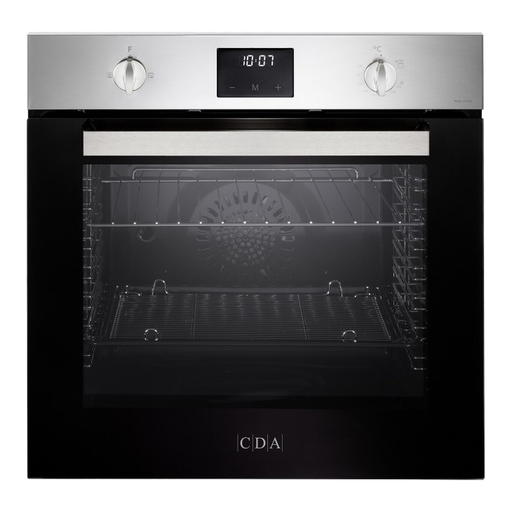
CDA SG121SS built-in single gas fan oven, 70L, stainless steel
This 70L single gas fan oven is an option to examine if your kitchen uses gas. Confirm the specified fuel configuration, any conversion requirements and installation arrangements for your kitchen before relying on its fan mode for roasting.
View on Joybuy
 No image available
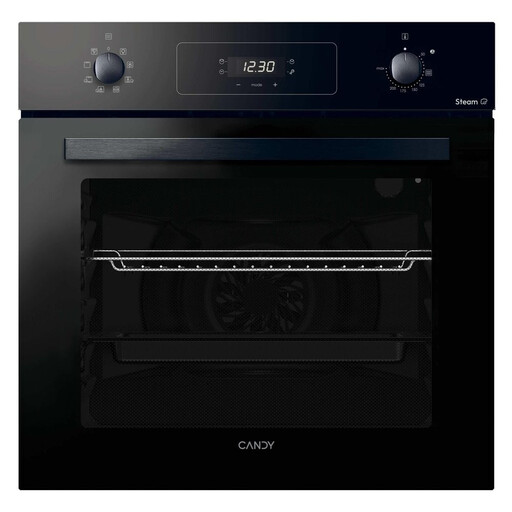
Candy FIDCN605 65L built-in single electric oven, black
This 65L single oven is a candidate for routine tray roasting. Confirm the shelf arrangement if you plan to cook several dishes, and resolve the differing connection descriptions against the exact model’s installation instructions before ordering.
View on Joybuy
Questions about roasting and installation
What temperature and time should I start with for squash wedges?
Good Food gives 200°C conventional or 180°C fan and says squash wedges generally take 35–45 minutes, until tender. Treat the time as a guide: wedge thickness, squash variety, tray loading and your oven’s temperature can affect when they are ready.
Do squash wedges need a fan oven?
No: Good Food gives both conventional and fan settings for roasting squash wedges. A fan mode offers another way to follow that guidance, but it does not prove that every fan oven browns evenly; check exact-model performance evidence where available and leave room between wedges on the tray.
What should I check about electrical installation?
Check the chosen oven’s connection instructions and power requirements against your kitchen before ordering. Electrical Safety First advises a dedicated circuit for domestic electric ovens and recommends a qualified electrician for installation; consult one if the required connection or existing circuit is unclear.
Should energy information affect my oven choice?
Yes, compare the energy information for the exact ovens you are considering alongside cavity size and the cooking modes you need. UK government material identifies domestic ovens as a category covered by energy-labelling arrangements; the energy information does not replace checks on fitting and installation.


