Multi-tray tartlet bakers
If several trays need to go in together, you will want to compare fan and multilevel functions, shelf positions and the space available around each tray.


Choose a built-in single fan oven if tomato tartlets are the main oven task and one cavity can accommodate your trays. A double oven is more useful when other dishes need a different temperature or timing, provided its taller housing and electrical requirements suit your kitchen. In either case, check the exact model’s cooking functions, usable shelf space and installation instructions rather than assuming a named fan mode guarantees even browning.
If several trays need to go in together, you will want to compare fan and multilevel functions, shelf positions and the space available around each tray.
If tartlets share the menu with dishes needing different temperatures or timings, two separately usable cavities may make the cooking schedule easier to manage.
If an oven must fit existing cabinetry, check the housing, ventilation and electrical connection before choosing between cooking features.
Choose it when: One cavity can hold the tartlet trays you plan to bake.
Trade-off: It cannot cook another dish at a different temperature at the same time.
Choose it when: Tartlets need to cook alongside a dish with a different setting or schedule.
Trade-off: It needs suitable housing, and the smaller cavity may not take your tartlet trays.
| Concern | What to check | Who this matters to |
|---|---|---|
| Even tartlet baking | Check the exact model’s fan or multilevel function, usable shelf positions and tray space. A feature name alone does not establish how evenly tartlets will brown. | If I am baking several trays, consistent pastry browning matters more to me than extra cooking modes; around 31% of consumers put even baking first. |
| Separate cooking space | Compare each cavity’s functions and usable tray space separately, rather than relying on a combined litre figure. | When another dish needs its own temperature while the tartlets bake, I need two workable cavities; roughly 31% of consumers make separate cooking space their main concern. |
| Fit and electrical connection | Compare the installation manual with your cabinet opening, ventilation space and electrical provision. Electrical Safety First advises checking an oven’s power requirements before choosing. | For a kitchen replacement, I need an oven that fits the housing and can be connected appropriately; about 23% of consumers prioritise fit and installation. |
| Timing and clean-up | Check the timer, cleaning method and whether trays or rails can be removed on the exact model. | If I am coordinating dishes and expect tomato or cheese spills, manageable timing and cleaning matter most to me; around 15% of consumers put convenience first. |
Connection requirements vary: the Bosch HHF113BA0B comes with a plug attached, while the AEG DEB331010M requires hardwiring by an electrician.
Compare the exact installation manual with your cabinet opening, ventilation space and electrical provision. Ask a qualified electrician to assess any uncertainty about the connection.
An incompatible connection or housing may require electrical work or changes to the cabinetry before installation.
The smaller cavity may suit a side dish but not the trays used for tartlets; its cooking functions may also differ from those of the main cavity.
Check each cavity’s dimensions, shelf positions, fan function and temperature controls separately.
Manufacturers describe multilevel cooking features, but results still depend on the oven and how trays are positioned. Which? tests heat distribution and control accuracy as distinct aspects of oven performance.
Use model-specific independent test information where available, then follow the recipe and oven guidance on shelf positions for your first tartlet bake.
Cleaning methods differ by model, so a named cleaning feature should not be assumed to cover every part of the oven.
Check how the selected system works and whether the rails, door glass and trays can be removed for cleaning.
Worth considering when comparing selected single and double built-in ovens for multi-tray baking or a larger meal.
A reference point for 60 cm built-in single ovens with model-specific multilevel functions.
Relevant when comparing a single oven with fan cooking against a double oven with separate cavities.
These built-in single and double ovens offer different ways to plan tartlet baking and the rest of a family meal. Check cavity functions, tray fit and installation requirements for the particular model before choosing.
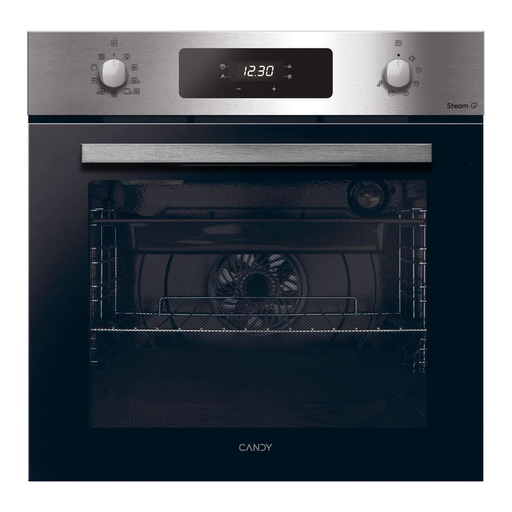 No image available
Consider this single oven if tartlets are the main oven task and pyrolytic cleaning appeals to you after cooking. Check the installation instructions for cabinet fit and electrical connection, and follow the recommended shelf guidance when baking multiple trays.
 No image available
Consider its two cavities when tartlets need to be scheduled alongside another dish. Check that your housing accommodates this 90 cm double-oven format and confirm each cavity’s functions and tray space; arrange installation to meet the model’s hardwiring requirements.
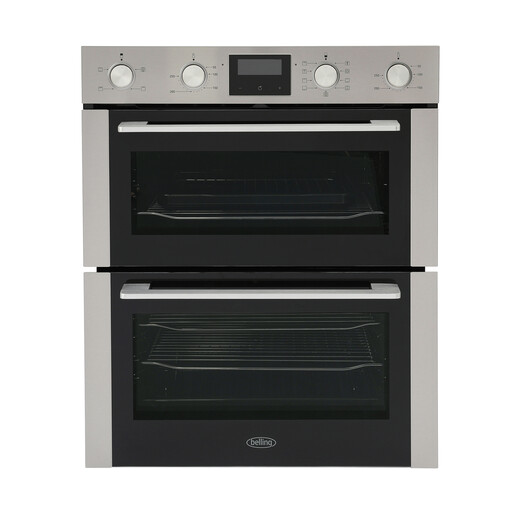 No image available
The built-under layout is worth considering if you want separate spaces for tartlets and another dish. Check that your trays fit the cavity you intend to use, then compare the installation manual with your cabinet and electrical setup.
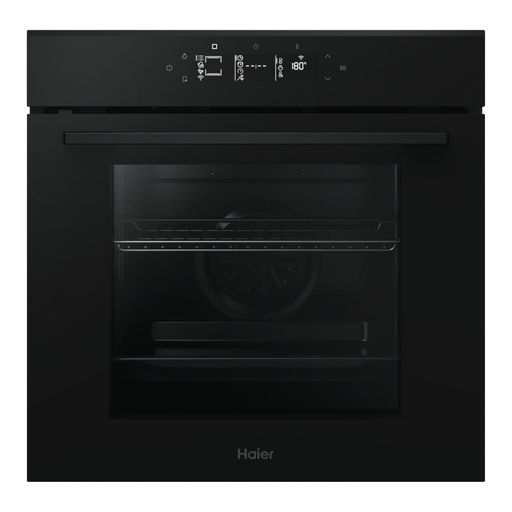 No image available
Consider this single-cavity option if it suits your tartlet-tray plan. If fan-assisted baking is important, confirm the exact cooking function and shelf guidance; also check the model’s temperature limit and electrical requirements in its instructions before purchase.
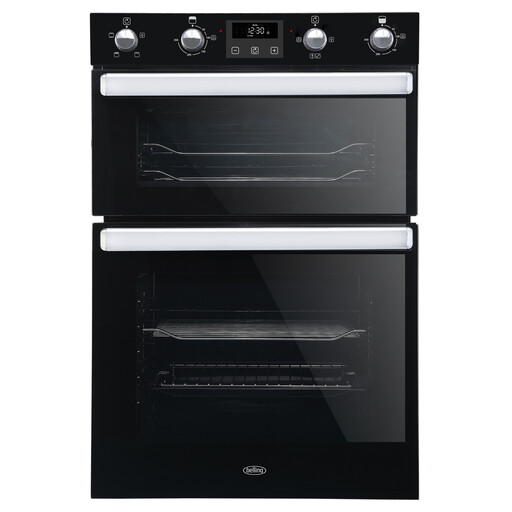 No image available
Its double-oven layout may suit a meal with tartlets and another dish needing separate cooking space. Check which cavity has the cooking function you need; do not assume the upper cavity shares the main cavity’s fan setting. Confirm housing and electrical requirements before ordering.
A fan-assisted oven is worth considering when you plan to bake more than one tray, but the feature alone does not guarantee identical browning on every shelf. Confirm the selected model’s functions and follow its shelf-position guidance alongside your recipe.
A double oven is useful when tartlets and another dish need different temperatures or timings. If everything can cook in one cavity at the same setting, check whether a single oven has enough tray space before committing to the housing requirements of a double oven.
No; the connection depends on the exact model. The Bosch HHF113BA0B comes with a plug attached, whereas the AEG DEB331010M requires hardwiring by an electrician. Electrical Safety First advises checking power requirements before choosing and consulting a qualified electrician if you are unsure.