Solo weekend breakfast shoppers
Choose a format with a defined portion when you would rather avoid measuring cereal or leaving an opened large box. Ready-to-eat mini packs and oat sachets are both available formats for this use.


Choose ready-to-eat mini boxes when you want a measured cereal portion without preparation and a choice of flavours; choose porridge sachets when you have a bowl, liquid and heating access. Bulk individual portions make more sense when you need many separately packed servings. Tesco, Nestlé Cereals UK and Quaker UK show that pack contents, allergens and nutrition can vary between formats, so compare labels on the same basis before deciding.
Choose a format with a defined portion when you would rather avoid measuring cereal or leaving an opened large box. Ready-to-eat mini packs and oat sachets are both available formats for this use.
Hot oat sachets suit those who prefer to prepare a bowl with milk or water and add their own fruit, yoghurt or other toppings rather than choose a fixed ready-to-eat cereal flavour.
Check the exact pack, as assorted cereals, porridge sachets and muesli can have different ingredients and precautionary allergen statements.
Choose this when: you want a pourable, pre-measured cereal for one breakfast without heating.
Consider: assorted packs can contain cereals with different ingredients, allergens and nutrition information.
Choose this when: a warm bowl and the option to add toppings matter more than immediate serving.
Consider: preparation needs a bowl, liquid and suitable heating method.
Choose this when: you need many separately portioned breakfasts for repeat use, guests or shared accommodation.
Consider: catering-style cases can be impractical for an occasional weekend breakfast.
| Priority | What to check | Your needs |
|---|---|---|
| Portion and preparation | Check whether the pack is individually portioned; confirm whether it is ready to eat or needs a bowl, liquid and heating. | I want one clear breakfast portion and need to know whether I can eat it immediately or prepare it at home. |
| Comparable nutrition | Compare per 100g and per-serving figures; check whether milk is included in prepared values. Use traffic-light information where it is shown. | I want to compare sugars, salt, fibre and energy on the same basis rather than treating differently sized packets as equivalent. The Food Standards Agency and GOV.UK recommend using label information to compare products. |
| Cereal style and breakfast use | Check the cereal base, such as oats or wheat biscuits, and whether the flavour and format fit the breakfast you plan to make. | I want a cereal portion that works as part of my wider breakfast, with room to add milk, fruit or other foods if I choose. |
| Allergens and ingredients | Read the outer pack and individual product information for ingredients, highlighted allergens and precautionary statements. | I need the exact cereal and pack to suit my dietary requirements, especially where assorted packs contain more than one recipe. |
Quaker UK lists different values for a dry 27g oat sachet and for the same sachet prepared with 180ml semi-skimmed milk. Milk changes the finished bowl's energy, fat, saturates, sugars, protein and salt values.
Compare dry figures with dry figures, or prepared figures with prepared figures. Include the nutrition of the milk or alternative you plan to use.
Variety packs can contain cereals made from different grains and with different ingredients, allergens and nutrition profiles. Tesco lists different cereal combinations in Kellogg's variety packs.
Read the specific outer-pack ingredient and allergen information, then check the individual cereal details if a flavour or allergen is important to you.
Individual packaging defines the dry portion, but it does not make the sugars, salt, fibre or ingredients the same across cereals.
Use the portion format for convenience, then compare the cereal's own label, including sugars, salt, fibre and ingredients.
Dorset Cereals lists almonds, cashews and hazelnuts in its Gloriously Nutty muesli and advises people with peanut or nut allergies not to consume its cereals because cross-contamination cannot be guaranteed.
Follow the manufacturer advice and choose a product whose ingredient and allergen information is suitable for you.
Relevant for ready-to-eat mini-box variety packs and individually portioned cereal formats.
Relevant for a Variety Pack route with three cereal flavours in portioned packs.
Relevant for individually portioned hot porridge sachets rather than ready-to-eat cold cereal.
Relevant for wheat-biscuit cereal portions, including individually portioned supply formats.
Relevant for individual muesli sachets in bulk portion formats.
Relevant for muesli and granola shoppers considering fruit, nuts, seeds and texture.
Joybuy product options for the single-serve hot porridge route, including ready-to-eat variety mini boxes where listed.
 No image available
For a warm, measured oat breakfast when you have preparation facilities.
Six separate 38.5g sachets; 100% wholegrain rolled oats; stated 3.5g fibre per sachet; 2½-minute microwave preparation.
Requires a bowl, water or milk and microwave preparation. Check the current allergen statement if avoiding gluten or other allergens.
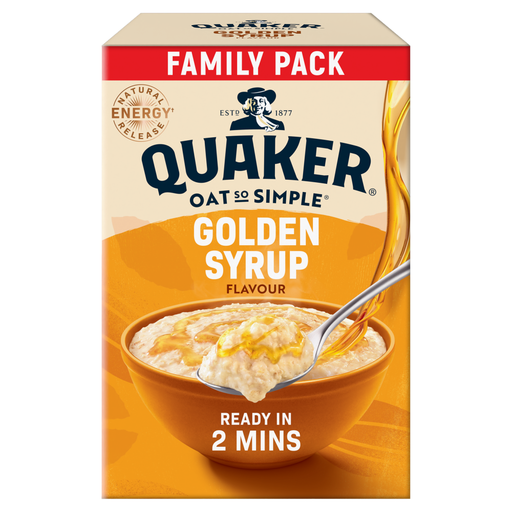 No image available
For repeat warm breakfasts where a larger supply of measured portions is useful.
Twenty 36g sachets; 81% wholegrain oats; stated 2.6g fibre per sachet; individual bowl, milk and microwave instructions.
Requires a microwave-safe bowl and about 180ml milk. The pack may be more than needed for one weekend.
 No image available
For a pre-measured warm porridge option with peanut butter flavour.
Eight 43g sachets; wholegrain oats; the listing states 9g plant protein per serving; microwave or hob directions use 180ml liquid.
Must be cooked before eating. Contains oats and soya and may contain milk, peanuts and nuts.
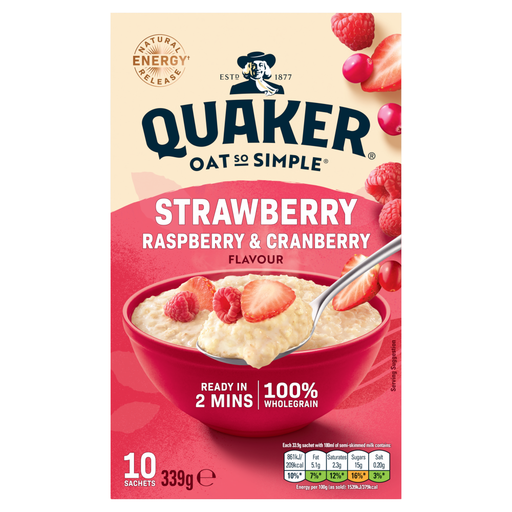 No image available
For a flavoured hot breakfast with individually measured oat sachets.
Ten 33.9g sachets; 79% wholegrain oats; stated 7.2g fibre per 100g; a two-minute microwave method uses a bowl and milk.
Contains oats and may contain barley, soya and wheat. Compare dry or prepared nutrition values on the same basis.
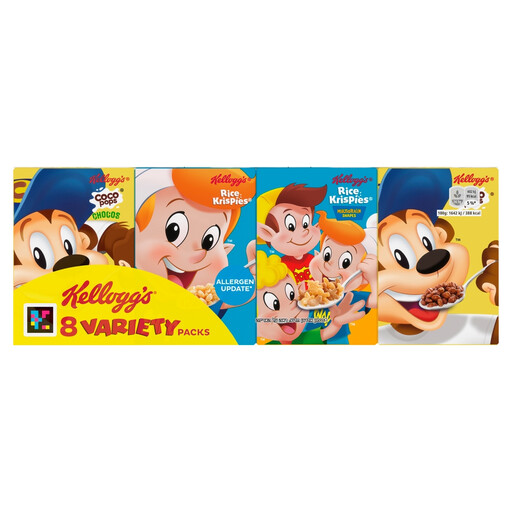 No image available
For a ready-to-eat cereal portion when you want flavour choice without heating.
Eight individual mini packets in a 196g variety pack; different cereals in the pack can have different ingredients, allergens and nutrition information.
Check the outer pack and individual packet details. The listing states wheat and barley and may contain milk and soya.
No. Mini cereal boxes are generally ready to pour with your chosen milk or alternative, while porridge sachets contain measured dry oats that still need a bowl, liquid and preparation. Quaker UK gives instructions using 180ml milk and two minutes in a microwave for its Original sachet.
Compare per 100g and per-serving figures, then check whether serving values include milk. Quaker UK shows separate values for dry oats and a sachet prepared with 180ml semi-skimmed milk, so these figures are not directly interchangeable. Use calorie, fat, saturates, sugars and salt information, including traffic-light labels where shown.
Not necessarily. A cereal portion can be a convenient base, while the Eatwell Guide recommends variety across food groups over a day or week. Add foods such as milk or an alternative, fruit or another suitable accompaniment according to your usual dietary choices.
Read the ingredients and allergen statement on the exact product and pack size before buying. Kellogg's Variety Pack carries gluten and soya advisory information, Quaker Original may contain wheat, barley and soya, and Dorset advises people with peanut or nut allergies not to consume its cereals because cross-contamination cannot be guaranteed.
No. Kellogg's mini-box packs and Quaker sachets are available in consumer-retail formats, while the listed Weetabix and Alpen portions are supplied in larger workplace or catering cases. Check the retailer, pack count and stock for the format you want.