Parents making a quick breakfast at home
Choose a cereal base that can be served in a small, appetite-led amount rather than relying on an adult-labelled bowl size. A plain porridge sachet can help when you can prepare and cool it safely.


Choose a lower-sugar cereal or plain porridge option that lets you serve an amount suited to your toddler’s appetite, rather than treating an individually wrapped pack or adult-labelled serving as the required portion. A plain oat sachet can simplify preparation, while parent-portioned cereal can offer more flexibility; check texture, allergens and any nursery or school rules before serving or packing.
Choose a cereal base that can be served in a small, appetite-led amount rather than relying on an adult-labelled bowl size. A plain porridge sachet can help when you can prepare and cool it safely.
Unsweetened porridge or lower-sugar cereal can be paired with milk, yoghurt or fruit instead of relying on a sweetened cereal. The NHS includes unsweetened porridge and lower-sugar cereal with milk and fruit among toddler breakfast ideas.
Check the individual pack for gluten cereals, milk, nuts and possible cross-contact, especially before nursery or school packing. Avoid crunchy or nut-containing choices when a child cannot safely manage the texture.
Start with the cereal base, then check whether the portion format, texture and allergen statement work for the child and the setting where it will be eaten.
| Priority | What to check | Your needs |
|---|---|---|
| Lower-sugar cereal base | Compare sugars per 100g and per labelled serving. Check whether milk or toppings are included in the stated nutrition figure. Choose a product whose current pack declaration is clear. | I want a straightforward cereal base that does not depend on a sweetened cereal and can be served with suitable milk, yoghurt or fruit. |
| Flexible portion | Use pack serving weights for product comparison, not as a toddler feeding target. Check whether you can start with a smaller amount and prepare more if needed. | A solo breakfast should be manageable without expecting my child to finish a sachet, mini pack or adult-labelled serving. |
| Texture and supervision | Consider whether the cereal is soft when served, or includes hard clusters, seeds or nuts. Prepare porridge according to the pack, allow it to cool appropriately and supervise eating. | I need a texture my child can chew and swallow safely, particularly if crunchy cereal or nutty mixes are involved. |
| Allergen clarity | Read the exact pack’s ingredients and allergen statement. Check nursery or school policy before packing, particularly for wheat, barley, oats, milk and nuts. | I need to know what is in the specific cereal before serving it at home or sending it to nursery or school. |
Pack nutrition references help compare products, but toddler amounts vary with age, size and appetite. A child may feel overwhelmed or be pressured to eat beyond their hunger.
Serve a small amount first, respond to fullness cues and offer more if wanted. Use the packet’s grams to compare cereals, not to override appetite.
Individual packaging controls the dry portion but does not automatically mean a lower-sugar cereal or a consistent recipe. Kellogg’s Variety lists 6.0g sugars per 26g serving, and ingredients and allergens vary across the pack.
Compare sugars per labelled serving and per 100g, then read the ingredients and allergen declaration on the specific inner pack before serving.
Oats are an allergen in their own right, and standard oat products can carry wheat, barley or soya warnings. An oat-based cereal should not be assumed suitable for every gluten-free or allergy-related need.
For a medically necessary gluten-free diet or cereal allergy, choose only an exact product whose current pack statement meets the required need and follow clinical advice where applicable.
Mueslis and granolas can contain nuts, seeds and crunchy pieces. Children who cannot manage hard or chewy foods may face a choking risk, and nut ingredients can conflict with allergy controls.
Prefer a soft, age-appropriate texture and supervise the child upright while eating. Reserve crunchy or nut-containing products for children who can safely manage them and whose allergy circumstances permit them.
Quaker is relevant for a pre-portioned hot-cereal route: Oat So Simple Original is sold in 27g sachets for preparation with milk or water.
Weetabix is relevant for a parent-portioned wheat-biscuit cereal route rather than a sealed one-child portion.
Nestlé is relevant for familiar ready-to-eat wholegrain cereals such as Multigrain Cheerios and Shreddies when the child can safely manage a crunchy texture.
Kellogg's is relevant when individually wrapped variety packs are specifically wanted, rather than as a default route for a lower-sugar toddler cereal.
Alpen is an adult-style muesli comparison point, including its No Added Sugar variant, rather than a default toddler single-serve cereal.
Dorset Cereals is a muesli and granola comparison point, but many products are built around crunchy nuts, seeds and dried fruit.
Joybuy options for parent-portioned cereal and porridge breakfasts, where an adult can adjust the amount, preparation and texture for the individual toddler.
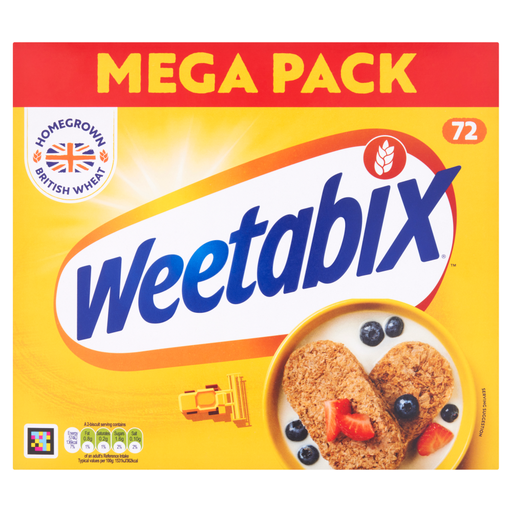 Image unavailable
A parent-portioned wheat-biscuit option for starting with less than a two-biscuit reference serving and adjusting the amount to appetite.
Contains wheat and barley. It is not individually portioned, so check that the served texture is manageable and soften it appropriately before serving.
 Image unavailable
Loose oats allow a small, appetite-led amount to be measured for a home porridge breakfast.
Contains oats. This is not a pre-portioned product; check the current pack for preparation and cooling instructions before buying, particularly where gluten avoidance or an oat allergy applies.
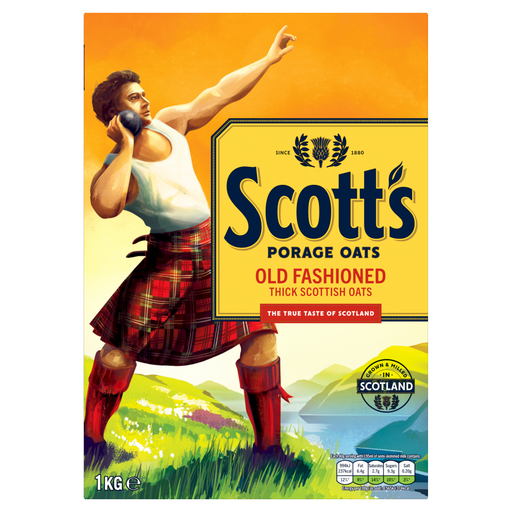 Image unavailable
Loose rolled oats suit a parent-controlled portion for a cooked, supervised breakfast at home.
May contain wheat and barley. The product requires stovetop or microwave preparation and cooling; its stated 40g method is not a toddler-specific serving recommendation.
 Image unavailable
Individual plain-oat sachets provide a pre-measured dry porridge base for a quick solo breakfast.
This Big Bowl sachet is larger than a standard 27g sachet, so do not assume one sachet is the right amount for a toddler. Check the current pack where an oat allergy or medically necessary gluten-free diet applies.
No. A pack serving is a nutrition-labelling and preparation reference, not an individual toddler feeding target. Start with an amount the child is likely to manage, follow hunger and fullness cues, and offer more if wanted.
The NHS includes unsweetened porridge or lower-sugar cereal with pasteurised milk and fruit among breakfast ideas for babies and young children. Choose the cereal base first, then adapt the bowl with suitable fruit or yoghurt rather than assuming a flavoured mini pack is the everyday option.
Breakfast cereals can provide energy, nutrients and some fibre, but the NHS says under-2s should not have only wholegrain starchy foods because they may fill the child before enough calories and nutrients are eaten. Offer variety across meals and introduce more wholegrain foods gradually after age 2.
Check the setting’s current food and allergen policy and the exact pack before packing. Wheat, rye, barley and oats are cereals associated with gluten, and oat-based cereal should not be assumed suitable simply because another product in the same range is labelled gluten-free.
They may be unsuitable when a child cannot safely manage the texture or has a relevant allergy restriction. NHS-linked choking guidance advises avoiding foods needing a lot of chewing and small hard foods such as whole nuts for children who cannot manage them; supervise eating and choose a texture the child can handle safely.