Older adults making breakfast for one
Single portions can simplify measuring and preparation when breakfast is for one. Plain 27g or 35g sachets offer a set amount of oats, while milk and toppings can be chosen to suit appetite and preference.


Choose a plain single-serve oat sachet when a measured, quick breakfast that can be adapted with suitable milk or toppings is the priority. For poor appetite, unintentional weight loss, swallowing difficulties or allergy requirements, an ordinary sachet is not a complete solution: follow the individual nutrition or texture plan and check the current pack label.
Single portions can simplify measuring and preparation when breakfast is for one. Plain 27g or 35g sachets offer a set amount of oats, while milk and toppings can be chosen to suit appetite and preference.
A sachet can provide a practical breakfast base, but it should not be assumed to meet extra nutrition needs on its own. Public Health Agency Northern Ireland Food First guidance is intended for people with poor appetite, low weight, weight loss or malnutrition risk.
Check the prescribed food texture and the exact pack label before choosing. NHS guidance notes that dysphagia can require speech-and-language or dietetic advice, while standard oat products may include cereal or milk cross-contact statements.
Start with portion size and preparation, then consider how the finished bowl fits appetite, dietary requirements and any care plan.
| Priority | What to check | Your needs |
|---|---|---|
| Portion and preparation | Check the dry sachet weight, whether a microwave or hob is available, and the preparation instructions. Plain 27g and 35g portions are available in the referenced product ranges. | I want a breakfast portion that is easy to measure, make and adjust without opening a large bag of oats. |
| Nutrition support | Separate a convenient oat portion from a meal designed around an individual nutrition plan. Check whether suitable additions and serving size match the person's appetite and care guidance. | When appetite is poor or weight is falling, I need to know that a sachet is only a starting point rather than assuming it covers the whole breakfast need. |
| Texture and allergens | Check the prepared texture against any prescribed IDDSI level. Read ingredients and allergen statements on every pack, and choose a specifically labelled gluten-free product where that claim is required. | I need the prepared porridge, milk and any toppings to fit a swallowing plan and avoid ingredients that are unsuitable for me. |
A convenient portion of oats may not meet increased energy or protein needs where appetite is poor, weight is falling or malnutrition risk is present.
Use the sachet as a breakfast base and follow Food First or dietetic guidance on suitable milk, fortification and snacks when these are part of the person's plan. The NHS advises contacting a GP about unintentional weight loss or suspected malnutrition.
A flavoured product can contain substantially more sugars than a plain alternative. Mornflake states that its Golden Syrup sachet contains 8.8g sugars per 36g sachet, compared with 0.3g per 27g Original sachet.
Choose plain oats when you want to control sweetness and add flavour separately. A sweetened option is more appropriate only when it fits the person's preferences and dietary plan.
Swallowing difficulties can require specific food and fluid textures, and milk, seeds or toppings can change the finished bowl.
Follow the prescribed IDDSI level and advice from the speech and language therapist or dietitian. Check the prepared texture before serving rather than relying on the product name.
Standard oat products are not automatically gluten-free and may carry statements about cereals, milk or other allergens.
Read the current ingredient and allergen panel on every purchase. Where gluten-free food is required, select a product specifically labelled gluten-free.
Quaker offers Oat So Simple Original individual sachets in 27g portions, with microwave and hob preparation instructions.
Mornflake Instant Porridge Original Sachets are individually portioned plain wholegrain oatflakes intended for quick, smooth porridge.
Flahavan's Organic Porridge Oat Sachets – Natural provide eight 35g plain-oat portions for buyers who prefer a larger individual serving.
These Joybuy options are single-serve Quaker porridge products for solo breakfasts, including plain, flavoured and larger-portion formats.
 No image available
A larger individual sachet option when a peanut-butter flavour and a stated protein amount suit the breakfast plan.
Eight 43g sachets; 9g plant protein per serving; microwave or hob preparation with water or milk.
Contains oats and soya and may contain milk, peanuts and nuts. Check the prepared texture against any prescribed swallowing plan.
 No image available
A plain, larger measured oat portion for someone who wants more than a standard 27g sachet while retaining control over additions.
Six 38.5g sachets of 100% wholegrain rolled oats; prepare with water or milk; microwave instructions state 2½ minutes.
A plain oat sachet alone does not confirm adequate energy or protein intake where appetite or weight is a concern. Check the current pack label if gluten or cereal allergens matter.
 No image available
A self-contained sweetened option for a quick solo breakfast where hot-water preparation and the flavour suit the person.
57g serving; add hot water and wait two minutes; the product states 7.5g protein and 214 kcal per serving.
Contains milk and cereals containing gluten, with 12g sugars per serving. Check safe hot-water handling and suitability for any swallowing plan.
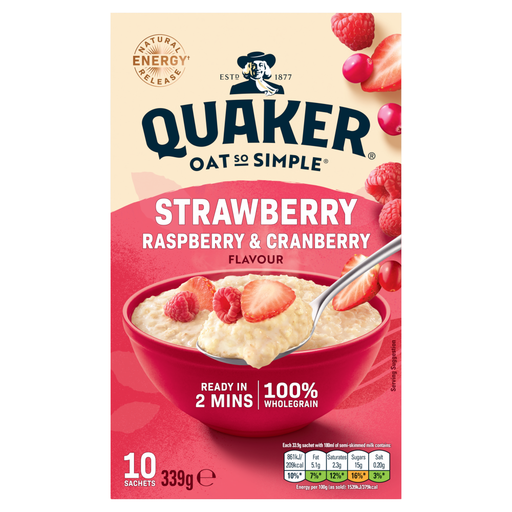 No image available
A microwaveable fruity option when a familiar flavour is useful and the milk-based preparation fits the person's diet.
Ten 33.9g sachets; two-minute microwave preparation with milk; the recipe includes fruit pieces.
Contains oats and cereals containing gluten and may contain barley, soya and wheat. It provides 6.4g sugars per dry sachet, and fruit pieces may not suit every prescribed texture plan.
Not necessarily. A plain oat sachet is a breakfast base, not proof of adequate energy or protein intake. Public Health Agency Northern Ireland Food First guidance is for people with poor appetite, low weight, weight loss or malnutrition risk; the NHS advises contacting a GP about unintentional weight loss or suspected malnutrition.
Choose the option that fits the person's preference, tolerance and dietary plan. Milk can be relevant where a Food First or dietetic plan includes enriching meals, but it is not a substitute for individual advice when a clinical condition affects the diet.
Only if the prepared porridge matches the person's prescribed texture plan. NHS guidance says dysphagia may require changes to food and drink plus speech-and-language or dietetic input, so check the recommended IDDSI level before serving porridge, milk or toppings.
Do not assume so. The Food Standards Agency states that food labelled gluten-free must contain no more than 20mg/kg gluten, and Quaker Original lists oats with may-contain wheat, barley and soya information. Choose a product specifically labelled gluten-free when that claim is required and check the current pack.
They can. Asda's listing for the verified Quaker Original pack states that the outer box is recyclable while the individual sachet is not recyclable. Check local recycling guidance and consider whether a larger oat pack with a measuring scoop better suits the household.