Solo campers using festival hot-water facilities
You want one warm breakfast without carrying a pan or bowl. A boiling-water porridge pot is the clearest fit when your festival provides hot water or permits your preparation method.


Choose a porridge pot if your festival confirms access to boiling water and you want breakfast without packing a separate bowl. Choose plain sachets when you can bring the bowl, liquid and cooking equipment specified on the pack; festival rules may restrict stove fuel, cooking locations or stove use altogether.
You want one warm breakfast without carrying a pan or bowl. A boiling-water porridge pot is the clearest fit when your festival provides hot water or permits your preparation method.
You prioritise compact, individually portioned dry food and can supply the bowl, liquid and safe preparation method required by the exact sachet. Plain oat sachets can offer simpler ingredient lists than many flavoured options.
Compare the actual label rather than treating all oats as interchangeable. Product pages identify oats and possible cross-contact allergens, and a gluten-free claim does not necessarily mean suitability for wheat allergy.
Choose it when: Hot water is confirmed and avoiding a separate breakfast bowl matters most.
Consider: The pot is bulkier to carry and dispose of than a sachet.
Choose them when: You can bring the bowl, liquid and cooking method specified for the exact sachet.
Consider: Sachets are not automatically suitable for a hot-water station; preparation directions vary by product.
| Priority | What to check | Your needs |
|---|---|---|
| Preparation setup | Check whether the product uses boiling water, milk, a hob, a microwave or a separate bowl. Confirm the stated liquid amount and method on the current pack. | I need a breakfast I can make with the water source, bowl and heat source actually available at the event. |
| Festival cooking rules | Read your event’s current rules on stoves, fuel limits, cooking areas and hot-water facilities. Use fuel-burning equipment only outdoors in a well-ventilated area. | I want breakfast that still works if cooking at my tent, open flames or particular stove types are restricted. |
| Ingredients and allergens | Read the full ingredients and allergen statement, including any “may contain” wording. Check whether a protein variant contains soy or whether a gluten-free product has a wheat-allergy qualification. | I need to distinguish plain oats from products containing milk, soy, sugar or flavourings before travelling. |
| Packaging and waste | Consider whether a self-contained pot is worth carrying and disposing of. If using sachets, pack a reusable bowl and keep dry food in sealed containers. | I want individually portioned food without carrying unnecessary breakfast equipment or bulky waste for several days. |
Preparation requirements are product-specific. Quaker Original Sachets specify milk and hob-or-microwave preparation, while the Quaker Original Pot is designed for boiling water in the pot.
Read the preparation panel before buying and pack only the equipment and liquid required by the exact product.
Festival restrictions can differ by site, fuel type, stove size, designated cooking areas and current fire-risk conditions.
Check the official rules for your named event immediately before travel. If hot water is confirmed, a water-prepared pot may reduce reliance on a stove.
A prohibited stove or fuel item may be refused or confiscated under event rules.
Allergen and cross-contact warnings can rule out a product even where oats are the only listed ingredient.
Use the current physical pack as the final check, including “may contain” and suitability statements. Do not substitute gluten-free labelling for wheat-allergy advice.
A documented option for single-serve pots and sachets, including original, gluten-free and protein variants for UK shoppers.
A reference point for plain, individually portioned original oat sachets and instant porridge pots.
A relevant choice for plain natural and flavoured quick-oat sachets, including a natural wholegrain option.
A porridge-oat brand in this topic, although the documented product is traditional porridge rather than a festival-focused single-serve format.
Joybuy options for single-serve porridge sachets for a solo festival breakfast. Match the stated preparation method to your event’s permitted cooking setup before buying.
 No image available
Six individually portioned 38.5 g sachets can suit campers carrying a bowl and able to follow the current pack directions.
Wholegrain rolled oats are listed as the sole ingredient, with no artificial flavours or preservatives stated. Check the current preparation panel and allergen information before travel.
 No image available
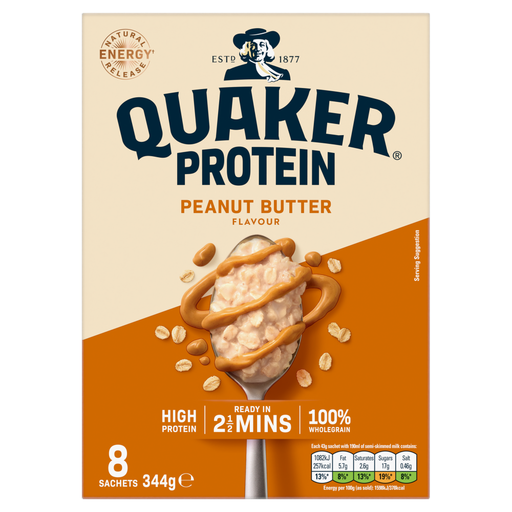
An option for campers prioritising a protein-containing sachet and able to use a permitted stove with suitable cookware.
Each 43 g sachet is stated to provide 9 g plant protein. The pack gives a hob method using 180 ml water or milk; it contains oats and soya and may contain milk, peanuts and nuts.
Yes, but only if the pot is designed for boiling water and your festival provides or permits access to it. Quaker Oat So Simple Original Pot instructs users to add 170 ml of boiling water in the pot; hot-water stations are event-specific rather than a UK-wide entitlement.
No. Rules vary by event and can change with weather or fire risk. Some events limit stove fuel or size, while others restrict cooking to designated areas, so check your named festival’s current prohibited-items and campsite-rules pages before packing fuel or a stove.
No. Scouts safety guidance says never to use or store a stove, barbecue, gas cartridge or other fuel-burning appliance inside a tent, porch, awning, shelter, vehicle or other enclosed space. Use a stove outdoors in a well-ventilated area.
No. Check the exact pack. Mornflake Original Sachets list oatflakes but state that they are not suitable for nut, milk, wheat or barley allergy sufferers because of manufacturing methods. Quaker gluten-free sachets may not be suitable for those with wheat allergy.
Keep dry food sealed and protected from pests. The Food Standards Agency advises that predominantly dry foods can be useful where chilled storage is not possible, and that sealed containers help avoid contamination.