Single-tin lunch shoppers
If one tin is your planned lunch, compare the nutrition per 100g with the amount you will actually eat. A declared serving may be smaller than the whole tin.


Choose a single tin by comparing the exact soup’s salt, sugars, saturated fat, fibre and protein per 100g, then check the portion you intend to eat; the NHS recommends using per-100g figures to compare labels. Lentil or bean recipes are worth considering when you want pulses, while ready-to-heat and condensed soups need to be compared on the same preparation basis. Check the ingredients and allergens on the tin rather than relying on its flavour or front-of-pack wording.
If one tin is your planned lunch, compare the nutrition per 100g with the amount you will actually eat. A declared serving may be smaller than the whole tin.
Look for lentils, beans or vegetables in the ingredients, then compare fibre, protein and salt on the exact tin. The NHS identifies pulses as a source of fibre and protein; the finished soup still needs its own label check.
If salt, sugars or particular allergens affect your choice, compare the current packs rather than flavour names alone. For example, Campbell’s lists wheat and milk in its condensed cream of chicken soup, and milk and celery in its condensed cream of tomato soup.
Start with the same per-100g basis, then check preparation instructions and the amount you expect to eat. The NHS explains both the per-100g label basis and why a stated portion may differ from your own.
| Priority | What to check | Your needs |
|---|---|---|
| Salt | Compare salt per 100g, then check the declared portion and your full lunch amount. The NHS classifies more than 1.5g per 100g as high and 0.3g or less as low. | I want to compare similar soups without assuming that a vegetable or tomato name tells me their salt content. |
| Fibre and protein | Look at the ingredients and the stated fibre and protein values. The NHS identifies beans, peas and lentils as sources of both, but the finished recipe needs checking. | A bean or lentil soup appeals to me, but I want to know what the particular tin contributes to lunch. |
| Portion and preparation | Check the tin’s weight, servings, preparation instructions and whether nutrition is stated for the prepared soup. Compare condensed and ready-to-heat products on the same basis. | If I plan to eat the whole tin, I need to account for more than a smaller declared serving. |
| Sugars and saturated fat | Compare both values per 100g between the specific recipes you are considering, then check the amount you will eat. | For a tomato or cream-style soup, I would rather compare the labels than judge it by flavour alone. |
| Ingredients and allergens | Read the current pack’s ingredient and allergen information. Campbell’s condensed cream of tomato lists milk and celery; its cream of chicken lists wheat and milk. | Where an ingredient affects what I can eat, a retailer listing or a vegetarian description is not enough for my final check. |
Action on Salt’s 2026 analysis of 481 UK chilled and ambient soups reported variation across products, with 23% exceeding the Government’s voluntary maximum salt target. A flavour name cannot tell you where a particular tin falls.
Compare salt per 100g on the tins you are considering, then check the amount you will eat.
Campbell’s gives nutrition for its condensed soups as consumed. Tin weight alone does not describe the prepared portion.
Follow the preparation instructions and compare nutrition on the same basis before assessing your lunch portion.
The NHS Eatwell Guide considers balance across a day or week, rather than requiring every individual meal to contain the same combination of foods.
Check the soup’s fibre and protein values and consider what else, if anything, you plan to eat with it.
Ingredients can change, and a flavour name may not reveal an allergen. Campbell’s condensed tomato soup, for example, lists milk and celery.
For an allergy or dietary restriction, read the label on the tin you buy and follow its current instructions.
Tesco’s soup category lists Heinz tins in 300g and 400g formats, including Big Soup products.
Campbell’s condensed soups can be prepared as soup or used in cooking, so preparation matters when comparing them with ready-to-heat tins.
Tesco’s soup category lists own-label and branded products, including standard tins, condensed soups and other formats.
M&S lists 400g tinned soups including vegetable, lentil, bean and tomato recipes.
These 400g options include bean, vegetable, mushroom and meat-containing soups. Compare the particular tin’s ingredients, label values and planned portion rather than treating them as interchangeable lunch choices.
 No image available
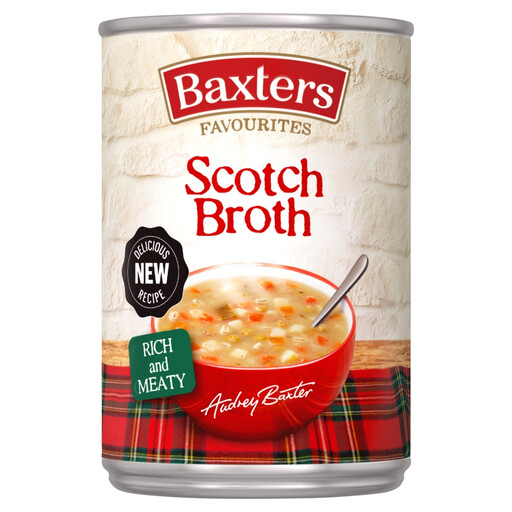
This broth is an option if your lunch plan includes a soup with peas, barley and meat. Its product information gives nutrition per 100g and per 400g can; check the pack for barley if it affects what you can eat.
 No image available
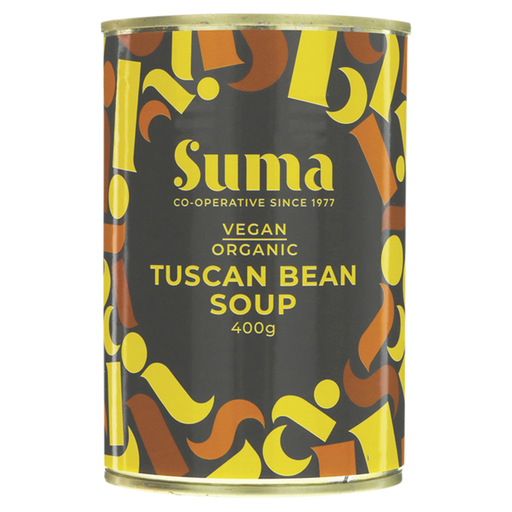
Consider this bean soup if you want pulses in a single-tin lunch. Compare its per-100g label values with your intended portion, and check the pack for celery.
 No image available
This mushroom soup is listed as two servings per can, so check how much you intend to have for lunch. Compare its per-100g nutrition on the pack and check for milk and wheat.
 No image available
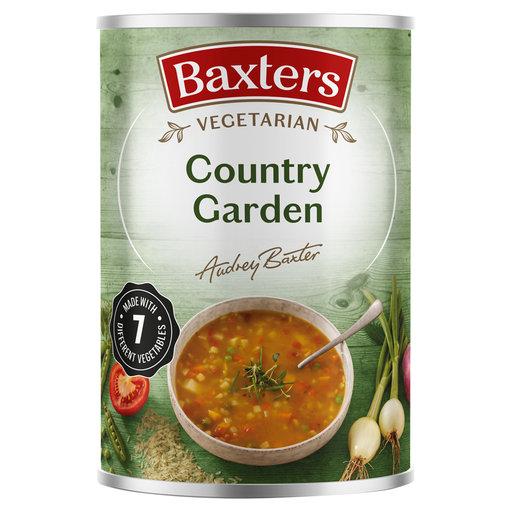
This vegetarian vegetable-and-rice soup offers a different recipe from a bean-led tin. Compare the nutrition for the amount you plan to eat, and check the pack for milk.
 No image available
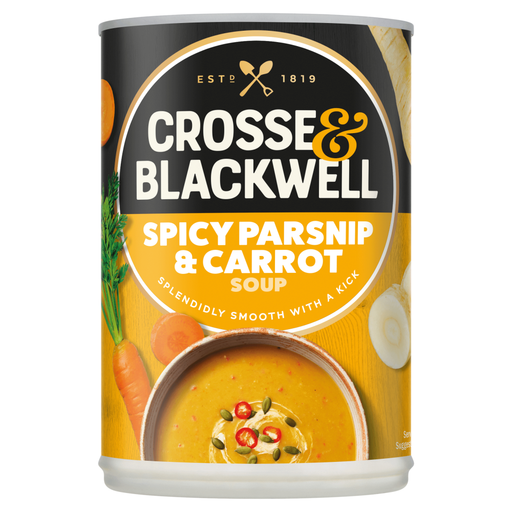
If parsnip and carrot appeal, compare this soup’s per-100g salt, sugars, fibre and protein with other tins before choosing a lunch portion. Check the pack for celery, milk and wheat.
Use both for different purposes: compare products per 100g, then work out what your planned portion means. The NHS notes that nutrition labels use a per-100g basis and that a manufacturer’s stated portion may not match the amount you eat.
No. The NHS identifies pulses such as lentils and beans as sources of fibre and protein, but that does not establish the nutrition of a finished soup. Check its salt, sugars, fibre, protein, ingredients and the portion you plan to eat.
No. Neither description replaces the ingredient and allergen information on the particular tin. Read the current pack if you need to avoid an ingredient; Campbell’s condensed cream of tomato, for example, lists milk and celery.
Follow that product’s storage directions. M&S instructs shoppers to transfer its opened Cream of Tomato Soup to an airtight container, refrigerate it and eat it within 2 days; do not assume the same instructions apply to every soup.