Short-stay self-caterers
If you want enough tuna for one or two cottage meals without buying a multipack, compare drained weight and check whether you can refrigerate any leftovers for the time stated on the tin.


For a short cottage stay, choose a tin you can use before you leave rather than judging quantity by the weight printed on the front. Spring-water chunks work for several simple meals, while brine-packed or flavoured tuna may suit a particular recipe; compare drained weight, the current salt label and instructions for any leftovers before choosing.
If you want enough tuna for one or two cottage meals without buying a multipack, compare drained weight and check whether you can refrigerate any leftovers for the time stated on the tin.
For sandwiches, jacket potatoes, pasta or salads, choose a packing liquid and flavour that fit the ingredients you expect to have at the cottage.
If salt, fish-allergen information or sourcing matters to your choice, read those details on the specific can rather than relying on a brand-wide description.
Start with the amount you will actually use and your plan for an opened tin. Then check whether its packing liquid, label and sourcing statement fit the meal you have in mind.
| Concern | What to check | Who this matters to |
|---|---|---|
| Portions and leftovers | Compare drained weight and servings; read the opened-tin storage instructions. | On a short stay, I need to finish the tuna or have fridge space for what remains. About 37% of consumers put avoiding leftovers and managing opened food first. |
| Quick meals | Choose a flavour and packing liquid that work with the meals and ingredients you have planned. | With limited cottage ingredients, I want a tin I can use in a sandwich, salad, potato or pasta dish. Flexible meal-making is the primary need for about 27% of consumers. |
| Ingredients and salt | Read the current ingredients, fish-allergen declaration and salt figure per 100g. | If I am checking ingredients or salt for someone sharing the meal, the exact can label matters more than its format name. About 18% of consumers make those label details their first concern. |
| Sourcing | Look for an MSC label or an explicit catch-method statement on the specific product. | When the way the tuna was caught drives my choice, I need a claim attached to the tin I am buying. For about 18% of consumers, product-specific sourcing comes first. |
Tesco Groceries lists 102g drained weight for its 145g spring-water tin, and Sainsbury's describes its 145g tin as two servings. Neither the front-of-can weight nor a single-can format tells you how much tuna one diner will use.
Compare the drained weight and serving guidance with your meal plan, particularly if you cannot use leftovers before leaving.
Salt is a product-specific label figure. ASDA Groceries lists 0.9g salt per 100g for its John West brine example; the word “brine” or “spring water” cannot substitute for checking the tins you are comparing.
Read salt figures on the same per-100g basis, then choose a flavour and liquid that fit the recipe.
The can you receive is the one you will open, so its ingredients, drained weight and storage directions are the details to use when preparing the meal. GOV.UK states that fish in prepacked food must be clearly identified in the ingredients list.
Check the current physical label before use, especially when buying for someone with a fish allergy.
A company's traceability programme is different from an MSC statement or catch-method claim on a particular product. John West describes a can-code tracing service, while Tesco Groceries gives an MSC fishery statement for its specified spring-water tin.
If sourcing determines your choice, check the statement on the exact can.
Tesco Groceries lists a 145g own-label skipjack tuna tin in spring water.
Sainsbury's describes its 145g spring-water skipjack chunks as pole-and-line caught.
ASDA Groceries lists a 145g own-label tuna-chunks tin in spring water.
Tesco Groceries lists a 145g Princes tuna-chunks tin in spring water.
John West describes a can-code service for tracing a tin's catch area and boat.
Marks & Spencer lists a 160g own-label tuna-chunks tin in spring water.
For cottage meals, these listings include spring-water and brine chunks alongside flavoured tuna. If you need exactly one tin, confirm the supplied quantity on the Dongwon listing before ordering.
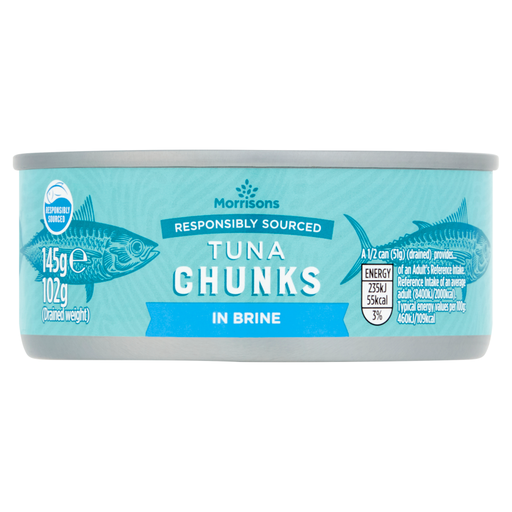 No image available
A brine-packed option for a planned sandwich, salad or pasta meal. Check the current salt label and drained weight if either affects your choice; for leftovers, follow the pack's transfer and refrigeration instructions.
 No image available
Spring-water chunks to consider for salads, pasta or sandwiches. Check the drained weight and serving guidance on the can, and use its refrigeration instructions if you plan to keep any tuna after opening.
 No image available
A 160g spring-water tin to consider when planning sandwiches, wraps, salads or pasta. Check its drained weight and servings against the number of diners, and read the current allergen label if soybeans or wheat matter to anyone sharing the meal.
 No image available
A flavoured tuna option for a meal where chilli suits the recipe, rather than a substitute for plain chunks. Check portions and the can's opened-food instructions before planning to use any remainder later.
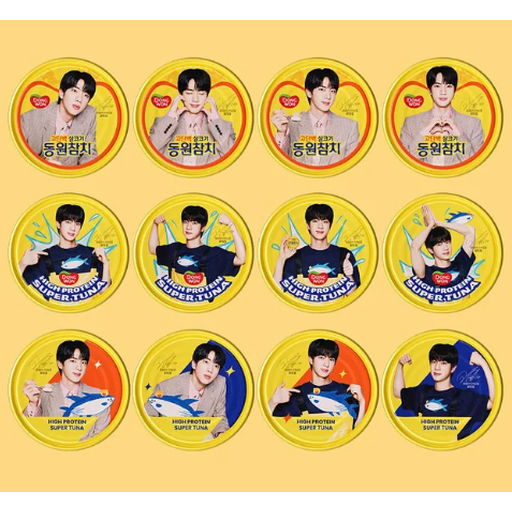 No image available
A seasoned tuna listing to consider for a sandwich or salad. The assorted-design wording does not settle how many tins are supplied, so confirm the unit count if your plan calls for one; check the pack for portions and consume it promptly after opening as directed.
No. Tesco Groceries lists 102g drained tuna for its 145g spring-water tin, while Sainsbury's describes its 145g tin as two servings. Check both the drained weight and serving guidance on the can you choose.
Follow that tin's instructions and make sure the cottage has suitable fridge space. Sainsbury's directs shoppers to transfer and refrigerate leftovers and use them within one day; the Asda and Princes examples give two days under their stated storage instructions.
Tuna is fish, so it is not suitable for someone with a fish allergy. GOV.UK identifies fish as an allergen that must be clearly labelled in the ingredients of prepacked food; read the current pack rather than relying only on a listing.
Do not assume it does. Look for an MSC label or an explicit catch-method statement on the specific product: Tesco Groceries gives an MSC fishery statement for its listed spring-water tin, and Sainsbury's describes its listed skipjack tin as pole-and-line caught.