Family batch cooks
If onion wedges need to cook alongside other dishes, consider whether one cavity can accommodate the trays and timings. A double oven becomes more relevant when dishes need to be managed separately.


Choose a single fan oven if onion wedges and the rest of the meal can share one cavity and cooking schedule. A double oven is worth considering when dishes need separate timings or functions, provided both cavities suit your trays and the appliance fits the kitchen’s cabinet and electrical supply.
If onion wedges need to cook alongside other dishes, consider whether one cavity can accommodate the trays and timings. A double oven becomes more relevant when dishes need to be managed separately.
If consistent roasting across a tray or several shelves matters most, look beyond the fan setting. Electrical Safety First highlights the heat distribution of fan ovens, while Which? assesses oven cooking performance independently.
If regular roasting makes clean-up a deciding factor, compare the cleaning system on each exact model and the surfaces it covers. Cleaning aids still need to be used according to the appliance instructions.
Work out whether the gathering meal needs one cooking schedule or two before comparing oven capacity. Then check tray fit, cooking controls and cleaning features on models that suit the kitchen.
| Concern | What to check | Who this matters to |
|---|---|---|
| Space and meal timing | Check each cavity’s tray space and supplied shelves; confirm the cabinet format and installation dimensions. | If my wedges need to cook alongside dishes with different timings, I need enough room or separately usable cavities. Around 46% of consumers put space and meal timing first. |
| Even roasting | Compare fan functions and shelf positions, then consult independent cooking tests where available. | I want the wedges across my tray to roast consistently, rather than relying on a fan label alone. Even roasting comes first for around 36% of consumers. |
| Cleaning | Check the exact cleaning system, which surfaces it covers and the manufacturer’s instructions. | With frequent roasting, I want a cleaning routine I can manage after the meal. For around 18% of consumers, upkeep is the primary concern. |
A double oven’s combined litres do not show whether either cavity will take your roasting tray.
Check the individual cavities, shelf arrangement, supplied trays and installation dimensions before comparing it with a single oven.
Fan circulation is relevant to heat distribution, but the feature name cannot establish how an exact model cooks. Which? assesses oven performance rather than treating features alone as results.
Use fan cooking to narrow the choices, then compare independent tests where available and check the model’s shelf layout and controls.
The oven must suit both its cabinet position and the available electrical supply; a familiar-looking built-in format is not enough to establish compatibility.
Compare the installation diagram and electrical requirements with your kitchen, and consult a qualified electrician if the connection is uncertain.
Catalytic and steam-assisted systems differ in what they cover and do not replace routine cleaning.
Follow the exact model’s instructions and allow the oven to cool before cleaning it.
Relevant when comparing built-in double ovens for a meal involving several dishes.
Relevant when comparing single fan ovens with built-under double-oven configurations.
Relevant when a built-in single oven’s fan, timer and cleaning functions are priorities.
These built-in single and double ovens offer different ways to schedule onion wedges around a family meal. Compare each model’s cavity and cleaning arrangement, then confirm the cabinet fit and electrical requirements before choosing.
 No image available
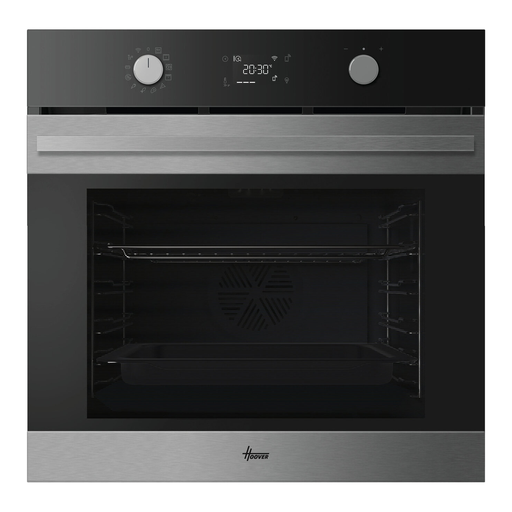
Consider this built-in single oven when the wedges and other food can share one cavity and a pyrolytic cleaning function is a priority.
Before a cleaning cycle, follow the model’s instructions for removing accessories and residue and for ventilating the room. Confirm cabinet and electrical compatibility before ordering.
 No image available
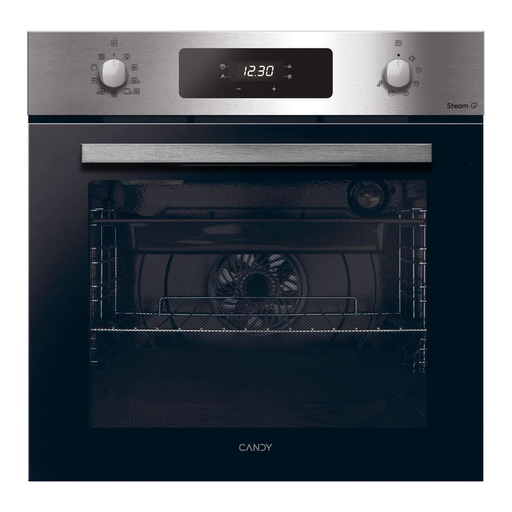
This built-in electric single oven is a choice for a one-cavity meal plan when pyrolytic cleaning matters.
Its cleaning instructions call for shelves and trays to be removed and the room ventilated during the cycle. Check the required cabinet opening and electrical connection for your kitchen.
 No image available
Consider this electric single oven if one cavity suits the meal and you want to assess a 65 L option.
Confirm the appliance’s exact connection method and electrical requirements before purchase. Follow its instructions for cooling and wiping the oven after any steam-assisted cleaning.
 No image available
Consider a double oven when onion wedges must cook alongside another dish with a different timing or function.
For this model, check the usable space and tray fit in each cavity separately, as well as the cabinet format and electrical requirements.
 No image available
This electric single oven is relevant if the gathering meal can be cooked in one cavity and multilevel cooking is on your shortlist.
Check whether its timer functions meet your needs, and confirm the cabinet cut-out and electrical connection before purchase. A multilevel feature alone does not establish even-browning performance.
Yes, if heat distribution across a tray is your priority. Electrical Safety First describes the even heat distribution of fan ovens, but a fan setting does not guarantee identical results across models; consult independent cooking tests where available.
A double oven is more useful when the wedges must cook alongside food needing a separate timing or function. Check that the individual cavities take your intended trays and that the double oven suits the cabinet and electrical supply.
Yes. Cleaning systems differ by model and may cover only particular surfaces or help loosen residue. Allow the appliance to cool and follow its instructions for routine cleaning.
Compare the exact oven’s connection and electrical-loading instructions with the existing supply before purchase, and ask a qualified electrician if the work is uncertain. GOV.UK’s Approved Document P concerns electrical safety in dwellings in England; do not assume its provisions apply unchanged throughout the UK.