Choose a built-in single oven if bread pudding needs one substantial cavity and the rest of the meal can be cooked around it. Choose a double oven if another dish regularly needs its own cavity at the same time; consider steam assistance only as an additional model feature, not a substitute for suitable space, cooking modes and electrical compatibility.
Who each oven suits
One-cavity family hosts
If bread pudding is the main oven dish, compare the space available for your baking dish and the shelf positions you need. A single cavity may be enough when other courses can be scheduled around it; measure the cabinet aperture as well as checking capacity.
Multi-dish gathering cooks
If pudding needs to cook while another dish uses a different temperature or timing, two cavities give you separate cooking spaces. Check the functions and usable space of each cavity, and whether your kitchen can accommodate the chosen double oven.
Low-maintenance replacement buyers
If clearing up after family meals matters, compare the cleaning method and removable parts on the exact model. Cleaning features differ, so check what the instructions say they do rather than assuming every fan oven is equally easy to maintain.
What to check before choosing
Decide whether your menu needs one cavity or two before comparing extra programmes. Then check the baking modes, cabinet fit and electrical requirements of the exact oven.
Built-in single oven
Choose it when: One cavity will hold the pudding and you can schedule other oven dishes around it.
Trade-off: It cannot give pudding and a savoury dish independently controlled cooking spaces.
Built-in double oven
Choose it when: Pudding and another course regularly need separate cavities at the same time.
Trade-off: Space is divided between the cavities, and a tall model needs a suitable cabinet.
Steam-assisted single oven
Consider it when: You want an added-steam option for other cooking as well as conventional baking.
Trade-off: Steam assistance does not create a second cavity or establish how evenly a particular oven bakes.
| Concern |
What to check |
Who this matters to |
| Even baking |
Check the exact model’s fan or hot-air modes and shelf positions; look for model-specific independent tests of heat distribution and temperature control. |
I want a deep pudding dish to cook dependably without relying on a feature name as proof of the result. Around 30% of consumers put baking consistency first. |
| Meal scheduling |
Compare cavity capacities, shelf positions and the cooking functions available in each cavity. |
When pudding shares oven time with a main dish, I may need separate spaces and cooking settings. For around 40% of consumers, that flexibility is the primary concern. |
| Fit and connection |
Measure the cabinet aperture and check the model’s installation dimensions, plug or hardwiring instructions, and power requirements. |
If I am replacing a built-in oven, it has to fit the housing and suit my home’s electrical supply before extra features matter. Around 20% of consumers place compatibility first. |
| Cleaning and energy information |
Compare the named cleaning method, removable parts and the declared energy information for the exact model. |
After serving a family meal, I want to understand the clean-up involved and compare the oven’s declared energy information. That is the leading concern for around 10% of consumers. |
Common buying pitfalls
-
Choosing by exterior size alone
A double oven divides cooking space between two cavities, while a single oven offers one uninterrupted cavity. The useful arrangement depends on the dishes you need to cook together.
Compare each cavity’s capacity, shelf positions and functions, then measure the cabinet space for the precise installation format.
-
Assuming every built-in oven has a standard plug
Connection requirements vary between models. Electrical Safety First advises checking an oven’s power requirements; some models specify hardwiring or installation by an electrician.
Read the model’s installation instructions and check the home supply before ordering. Arrange a qualified electrician where the instructions require one or the supply is uncertain.
-
Treating feature names as baking test results
A fan, steam or cleaning label identifies a function, not how a particular oven will perform with your pudding. Which? assesses factors including heat distribution and temperature-control accuracy separately.
Use features to narrow the choice, then consult model-specific independent test results where available and follow the manufacturer’s instructions for cooking and cleaning modes.
Brands to consider
These examples show why it is worth comparing individual models rather than assuming a feature applies across a brand’s range.
Bosch
The HQA534BB3B is a built-in single-oven example for consumers considering hot-air cooking and added steam.
- Bosch lists 3D Hotair for cooking on up to three levels and a water-bowl added-steam function on this model.
- Bosch specifies electrical connection by an electrician and says the model has no plug; check the installation requirements before choosing it.
NEFF
NEFF’s cited models illustrate different choices: a single oven with multilevel hot-air cooking and a double oven with separate cavities.
- NEFF lists CircoTherm for baking on up to three levels on the B1GCC0AN0B; its U2ACH7AG7B double oven lists a bread-baking setting.
- The cited models specify electrical connection by an electrician. Check cabinet fit and each model’s functions rather than treating them as range-wide features.
AEG
The BSX23101XM is a single-oven example for consumers comparing cavity space, multilevel cooking and cleaning methods.
- AEG lists a 65-litre cavity, multilevel cooking and Aqua Clean for this model.
- Check whether one cavity provides enough usable space and scheduling flexibility for the full gathering menu.
Indesit
The IO 258HS W UK illustrates a larger single-cavity option with model-specific cleaning features.
- The listing gives a 71-litre cavity, five rack positions, Steam&Clean and removable Click&Clean door glass.
- Its listed plug arrangement differs from the hardwired examples; confirm the exact product documentation and home circuit.
Hisense
The BID95211XUK is a tall built-in double-oven example for consumers planning dishes across two cavities.
- The listing specifies a 72-litre fan main cavity and a 38-litre upper conventional-and-grill cavity.
- The listing specifies eye-level installation and hardwiring by an electrician, making cabinet layout and connection requirements essential checks.
Joybuy oven choices
These built-in electric ovens cover double-cavity choices for cooking dishes separately and single-cavity choices for hosts who can plan the rest of the meal around the pudding. Check the installation requirements of each model before deciding.
 No image available
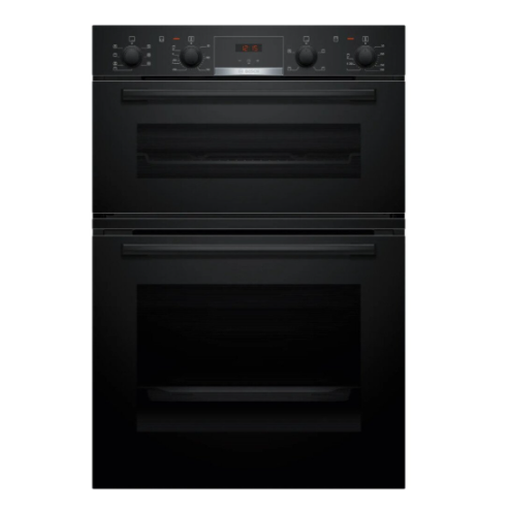
Bosch Series 4 MBA533BB3B Electric Double Oven, Black
Consider this double oven when pudding and another dish need separate cooking spaces. It is an eye-level built-in model; confirm the cabinet aperture, ventilation and electrical installation requirements.
Joybuy
 No image available
Belling BEL BI903MFC 90 cm Built-In Double Oven, Black/Stainless
This double-oven format suits a menu that needs separate cooking spaces. Confirm that the 90 cm eye-level format fits the cabinet, check the hardwiring requirements and verify the exact finish before ordering.
Joybuy
 No image available
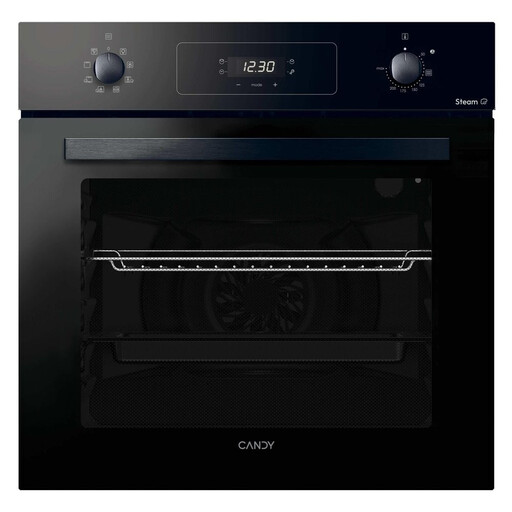
Candy FIDCN605 65 L Built-In Electric Single Oven, Black
A single-cavity choice for hosts who can schedule other oven dishes around the pudding. Its stated capacity is 65 L; check that your dish fits, along with the installation instructions and electrical supply requirements.
Joybuy
 No image available
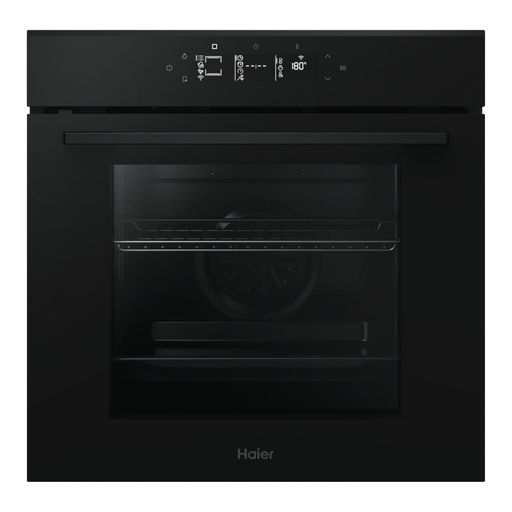
Haier H6 ID25G3HTB2 Series 6 70 L Built-In Oven, Black
Consider this 70 L single oven if one cavity suits your meal plan. Confirm the cabinet fit and electrical connection, and check the model documentation for the maximum temperature before relying on a particular setting.
Joybuy
 No image available
Bosch HHF113BA0B Series 2 Built-In Single Electric Oven, Black
This single-cavity model suits a gathering menu you can cook in stages. Check that the cabinet accommodates it and that the home circuit meets its hardwired installation requirements.
Joybuy
Frequently asked questions
Should I choose a single or double oven for a family bread pudding meal?
Choose a single oven if one cavity will hold the pudding and you can schedule the other dishes around it; choose a double oven if another course regularly needs a separate cavity at the same time. Compare the size and cooking functions of both cavities before choosing a double oven.
How can I tell whether a built-in oven will fit?
Measure the cabinet aperture and compare it with the exact model’s installation dimensions and instructions. A nominal oven size does not establish the required cut-out or ventilation space.
Can I install an electric built-in oven myself?
Check the exact oven’s connection requirements before planning installation: plug-in and hardwired models differ. Electrical Safety First advises checking power requirements, and models specifying electrician connection should be installed accordingly; consult a qualified electrician if the home supply is uncertain.
Do I need steam assistance to bake bread pudding?
No, steam assistance is an optional feature rather than a requirement for bread pudding. Choose adequate dish space and an appropriate cooking mode first; a steam feature on a particular model does not establish its baking performance.


