Multi-dish family hosts
If squash, a main course, sides and dessert need attention during the same meal, consider whether separate cavities would let you use different temperatures or timings.


A full-size single fan oven is a sensible choice if one tray of squash and staggered batches will cover the meal. Choose a double oven when you regularly need dishes cooking at separate temperatures or times, but check that its taller housing and electrical requirements suit your kitchen. Whichever format you choose, usable shelf space and installation fit matter more than an extra cleaning or steam function.
If squash, a main course, sides and dessert need attention during the same meal, consider whether separate cavities would let you use different temperatures or timings.
If squash and other traybakes are the priority, compare usable shelf positions and evidence of heat distribution before paying for functions you may seldom use.
If the oven must go into existing cabinetry, measure the recess and check the electrical connection before deciding between a single and a taller double model.
Plan which dishes must cook at the same time. A second cavity helps with separate settings; a freestanding cooker is a different kitchen format, not a drop-in replacement for an integrated oven.
Choose it when: One main cavity can handle the squash tray and other dishes in planned batches.
Bear in mind: Dishes needing different temperatures may have to take turns.
Choose it when: Squash and other dishes regularly need separate settings at the same time.
Bear in mind: It needs housing suited to a taller appliance and an appropriate electrical connection.
Choose it when: Your kitchen is intended for a cooker with a hob rather than an oven fitted into a cabinet.
Bear in mind: Check the available floor space and electrical connection; it does not fit an integrated-oven recess.
| Concern | Buying check | Who this matters to |
|---|---|---|
| Room for the menu | Compare cavity layout, usable shelf positions and supplied trays; decide whether dishes need two temperatures at once. | If squash and other dishes must cook together at different settings, I need separate cooking zones rather than a litre figure alone. Around 33% of consumers put menu flexibility first. |
| Even roasting | Check the exact model’s fan and shelf arrangement, then consult independent heat-distribution tests where available. | When I roast more than one tray, I want to know whether the oven heats consistently across its usable levels. Roughly 27% of consumers make even roasting their primary concern. |
| Fit and connection | Match appliance and recess dimensions, then check the model’s electrical loading and installation instructions. | Replacing an integrated oven only works if the new appliance fits my housing and can be connected appropriately. About 27% of consumers prioritise fit and installation. |
| Cleaning | Identify the exact cleaning system and what the manual says to remove or clean separately. | After roasting with oil, I would rather spend less time cleaning the cavity, while still washing trays and removable parts. Around 13% of consumers put easier cleaning first. |
A capacity figure does not tell you whether your trays fit, how many shelf positions are useful or whether dishes can cook at separate temperatures.
Compare the cavity layout and supplied accessories against the menu you expect to cook, especially if you are considering a double oven.
A double oven may need taller housing, and an electric model’s connection requirements must suit the available circuit.
Measure the recess, read the exact model’s installation instructions and ask a qualified installer to assess the circuit where needed.
A recess or circuit that needs changing can add installation work.
A feature name does not establish how evenly a particular oven heats its trays or controls temperature.
Use the model specifications to shortlist ovens, then look for independent heat-distribution and temperature-control testing where available.
Conversation and other dishes can draw attention away from food that is still cooking.
Use a timer, keep flammable items away from the cooker and supervise cooking. Tyne and Wear Fire and Rescue Service advises never leaving cooking unattended.
AEG offers built-in single ovens, including models with multilevel cooking and different cleaning systems.
Beko’s built-in range includes single and double ovens for kitchens needing different cavity arrangements.
Bosch offers built-in ovens with hot-air functions and, on selected models, added steam.
NEFF offers built-in ovens with CircoTherm cooking and, on selected models, more than one cleaning option.
These choices span built-in double ovens for dishes needing separate cavities, a built-under double oven, a freestanding cooker with a hob and a built-in single oven for planned batches. Match the appliance format to your kitchen before comparing its cooking features.
 Image unavailable
Consider this double-oven format when squash and another dish need separate cooking zones. The product name specifies a 90 cm built-in appliance and an A rating; confirm its exact height and recess dimensions before ordering, and check the hardwired connection with a qualified installer.
 Image unavailable
This double-oven format is worth considering if the gathering menu calls for separate cooking times. The product name specifies an A rating; check the appliance and recess dimensions and the electrical connection instructions against your kitchen.
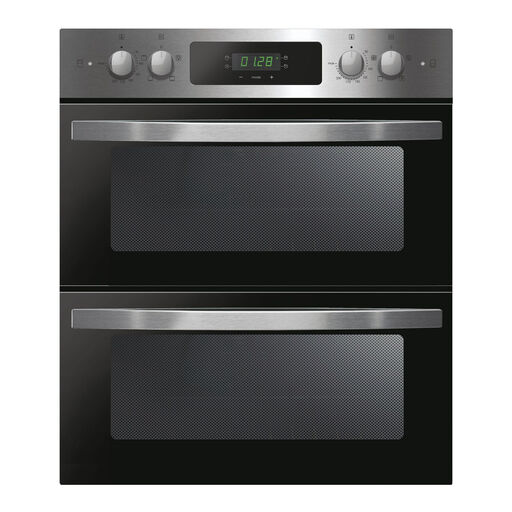 Image unavailable
Consider the built-under format if it matches the intended kitchen layout and you want two cooking cavities. The product name specifies an A rating; confirm both cavity capacities, the supplied accessories, installation dimensions and electrical requirements before buying.
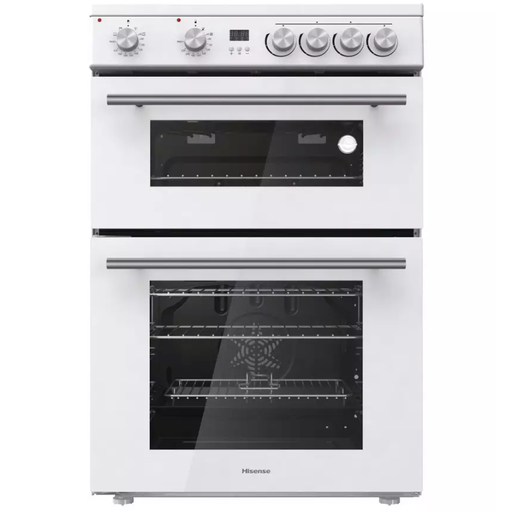 Image unavailable
This freestanding cooker is an option for a kitchen arranged for a cooker and hob, rather than an integrated-oven recess. The product name specifies A+/A energy ratings; check its required space and have a qualified electrician assess the stated hardwired connection requirements.
 Image unavailable
Consider a single oven if one main cavity and staggered cooking suit your gathering menu; it cannot give simultaneous dishes separate temperatures. Confirm the recess dimensions and that the circuit suits the model’s hardwired installation requirements.
No, not if one full-size single oven can hold your squash tray and you can stagger the other dishes. A double oven becomes more useful when parts of the meal regularly need different temperatures or cooking times simultaneously.
Measure the housing recess and access route, then compare them with the exact model’s installation dimensions, not just its front width. AEG lists built-in dimensions of 590 × 560 × 550 mm for its BSX23101XM single oven, while Beko lists an appliance height of 89 cm for its BBDF26300 double oven; neither set of dimensions substitutes for the measurements of the model you choose.
No. Check the oven’s rated electrical loading and installation instructions before ordering. A larger connection, such as a 16 A or 32 A fused connection, is advisable for ovens above 3 kW; AEG rates its NBR6P531SB at 3,390 W. Ask a qualified installer to assess your particular circuit.
No. Steam-assisted systems are intended to soften residue, while AEG says the pyrolytic function on its NBR6P531SB leaves ash to wipe away. Follow the exact model’s instructions and continue cleaning trays and removable parts as directed.