Dinner-party hosts managing several dishes
If the tart needs the oven while vegetables, a roast or dessert is being prepared, decide whether dishes can share a cavity and temperature or need separate cooking spaces.


For a mushroom tart and side dishes that can share an oven temperature or be cooked in sequence, start with a single oven that fits your tart tin and has cooking modes suited to the recipe. Choose a double oven if you regularly need separate cavities for dishes at different temperatures; consider a freestanding cooker if you are replacing the hob too. Check the available space and electrical connection before choosing between these formats.
If the tart needs the oven while vegetables, a roast or dessert is being prepared, decide whether dishes can share a cavity and temperature or need separate cooking spaces.
If consistent browning matters most, look beyond the name of a cooking programme. The exact oven’s heat distribution and temperature accuracy are more useful questions when assessing its suitability for pastry.
If the existing cabinetry or cooker gap cannot change, establish the appliance format, dimensions and electrical connection requirements before comparing cooking and cleaning features.
Choose the oven format around how many dishes need heat at once, then check the exact model’s cooking modes, physical fit and connection requirements.
Consider it when: The tart is the main oven task and other dishes can share its cooking space or be prepared in sequence.
Trade-off: One cavity cannot provide separate temperatures for the tart and a side dish at the same time.
Consider it when: You regularly need independently usable spaces for dishes with different temperatures or timings; Which? identifies simultaneous cooking as a practical reason to choose two cavities.
Trade-off: A double oven needs a suitable taller housing space, which may not suit a kitchen set up for a single oven.
Consider it when: You are replacing both oven and hob and have a suitable cooker gap rather than built-in oven cabinetry.
Trade-off: It is a different installation format; check the floor space and electrical requirements rather than treating it as a built-in oven replacement.
| Concern | What to check | Who this matters to |
|---|---|---|
| Even tart baking | Check the exact model’s fan or hot-air modes and, where available, independent results for heat distribution and temperature accuracy. Which? assesses those measures in its built-in oven tests. | If I am baking pastry for guests, I want the base and filling to cook without uneven browning. Around 36% of consumers put consistent tart baking first. |
| Space for the rest of the meal | Check whether your trays fit on usable shelves at one temperature, or whether dishes need separate cavities with different settings. | When the tart overlaps with vegetables or dessert, I need enough cooking space to keep the meal on schedule; around 29% of consumers make meal coordination their primary concern. |
| Installation fit | Measure the housing or cooker gap against the installation sheet, then confirm the model’s rated load and connection type. | If I am replacing an appliance in a fixed kitchen, a mismatch in size or electrical supply could prevent fitting. For around 21% of consumers, compatibility comes first. |
| Cleaning and energy information | Compare the exact model’s cleaning method and energy information after confirming that its format and cooking functions suit the meal. | After hosting, I would rather spend less time dealing with residue and want clear energy information when comparing ovens; around 14% of consumers prioritise these upkeep questions. |
Two cavities help when dishes need separate spaces, but the format also requires suitable housing. If you mostly bake one tart with occasional sides, that separation may see little use.
List the dishes you routinely cook at the same time and their required temperatures before deciding whether a single cavity is enough.
A named airflow feature describes an oven’s design, not its results with pastry. Which? assesses heat distribution and temperature accuracy at model level.
Check the exact cooking modes and consult an independent test of the model where one is available.
Built-in single ovens, double ovens and freestanding cookers need different spaces. The Neff and Bosch built-in examples in the manufacturers’ specifications require electrical connection by an electrician.
Measure the opening or cooker gap, consult the exact installation sheet and confirm the electrical supply and fitting arrangements before delivery.
A mismatch can mean changing the planned installation or postponing fitting.
Cleaning features concern maintenance, while energy information serves a different comparison from heat distribution and temperature accuracy.
Establish fit, cooking modes and the evidence relevant to tart baking before using cleaning and energy information to distinguish suitable models.
These brands offer oven formats or features relevant to the choice; compare individual models rather than assuming a feature applies across a whole range.
Built-in single and double ovens are relevant if you are comparing multilevel cooking with separate-cavity cooking.
Built-in ovens are relevant to an integrated kitchen where cooking modes and cabinet fit both matter.
Built-in single ovens are relevant if you need an oven for existing cabinetry and want to compare airflow features.
Built-in single ovens are worth comparing if shelf use and cleaning options matter alongside tart baking.
Built-in ovens and freestanding cookers offer different routes if you are deciding whether the hob also needs replacing.
These choices include built-in single and double ovens, plus a freestanding cooker for a kitchen where the hob is being replaced too. Match the format to your space and meal plan before comparing individual features.
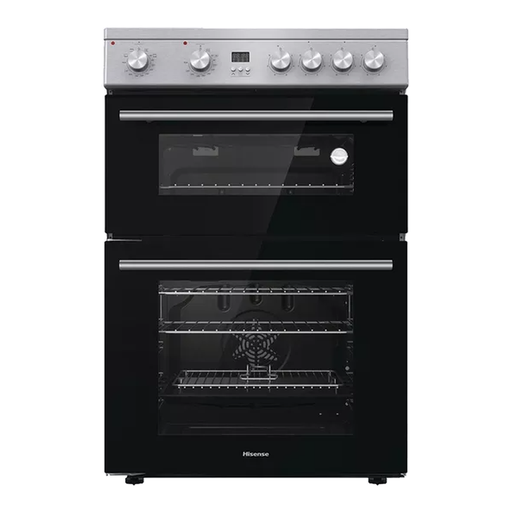 No image available
Consider this freestanding format when you need an oven and hob together and have a suitable cooker gap.
The product name specifies a double oven, ceramic hob and stainless-steel finish. Check the space and electrical installation requirements before ordering.
 No image available
Consider a single built-in oven if the tart is your main oven task and you have compatible housing.
This is a black electric model. Check its usable interior against your tart tin, along with its cooking modes and connection requirements.
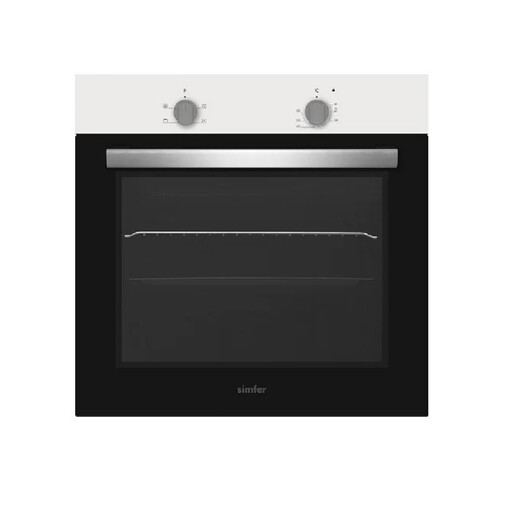 No image available
This white built-in single oven is a format to consider when one cavity suits your tart and side-dish schedule.
Check the installation opening and usable interior dimensions against your kitchen and tart tin; packaging measurements should not be used as fitting dimensions.
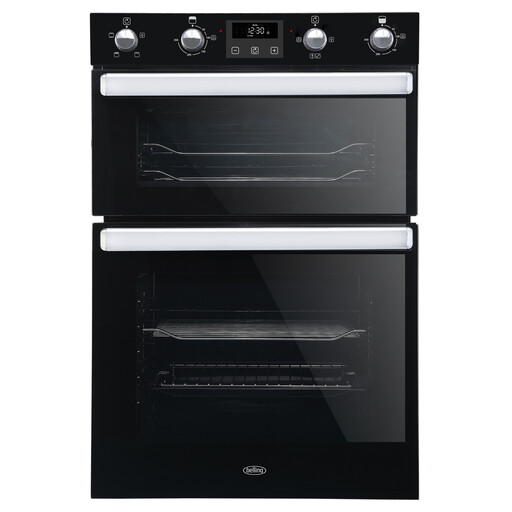 No image available
Consider the double-oven format when the tart and other dishes regularly need separate cooking spaces.
This is a black built-in model. Check its installation dimensions, electrical requirements and the cooking modes of each cavity before choosing it for your meal plan.
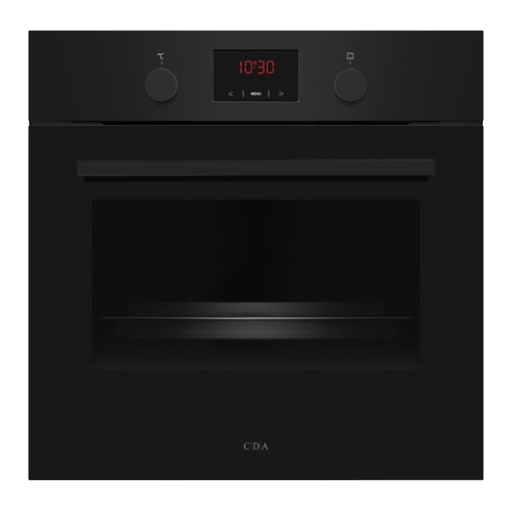 No image available
This single built-in format suits a kitchen where the tart and other dishes can share one oven or cook in sequence.
The model is black. Check the housing opening, electrical connection and usable interior space before relying on it for your tart tin.
No, not if the tart and sides can share an oven temperature or be cooked in sequence. A double oven becomes more useful when you regularly need separate cavities for dishes with different temperatures or timings; Which? identifies cooking multiple dishes at once as its practical advantage.
Check the exact oven’s cooking modes and look for model-level evidence on heat distribution and temperature accuracy. Brand airflow descriptions can help you identify models to compare, while Which? assesses those performance measures in its built-in oven tests.
Yes. Check the chosen model’s installation instructions, rated load and stated connection type against your kitchen supply. Oven guidance distinguishes connections below and above 3 kW, and the cited Neff and Bosch built-in models specify connection by an electrician.
No. A cleaning cycle addresses upkeep, while a steam-bake feature should be considered for the particular baking method you intend to use. Neither replaces checking tin fit, suitable cooking modes and the oven’s installation requirements.