Hosts cooking several dishes
If the cottage pie, sides and dessert need different oven schedules, separate cavities or independently controlled zones are worth considering. Check that each space has the functions your menu needs.


A single oven is a practical choice when the lentil cottage pie is the main oven dish. Choose a double oven or an independently controlled split-zone model if sides or dessert need a different temperature at the same time. Before ordering, check the space available for the dish, the cabinet opening and the model’s installation requirements.
If the cottage pie, sides and dessert need different oven schedules, separate cavities or independently controlled zones are worth considering. Check that each space has the functions your menu needs.
If one large dish is the main oven task, a single oven with suitable dish clearance and a fan or multilevel mode may meet your needs without adding a second cooking space.
When lifting a full dish in and out is awkward, consider door access and shelf positions as well as cooking space. Cleaning functions may also matter after entertaining.
Choose when: The cottage pie is the main oven dish and the kitchen has a suitable single-oven opening.
Trade-off: One cavity cannot cook another dish at a separate temperature simultaneously; check that your largest baking dish fits.
Choose when: The pie and another course need different settings at the same time.
Trade-off: The cavities differ in size and may offer different cooking modes. Check the exact housing requirements: a tall built-in model and a built-under model are not interchangeable.
Choose when: You want to use the full cavity for one meal but independently controlled zones for others.
Trade-off: Check the usable space and permitted functions in each zone before planning the pie and sides around them.
| Concern | What to check | Who this matters to |
|---|---|---|
| Different cooking schedules | Check whether cavities or zones can operate independently, and which functions each provides. | If I need the pie and another course ready at different times, I do not want one oven setting to dictate both dishes. Around 40% of consumers put separate cooking schedules first. |
| Cooking the pie | Check dish and shelf clearance, available fan modes and independent model-level cooking tests where available. | When the pie is the centre of the meal, I want room for my baking dish and a topping that browns as intended. Reliable single-dish baking comes first for around 40% of consumers. |
| Fit, access and clean-up | Match the cabinet opening and connection requirements to the installation sheet; consider door access and cleaning instructions. | In a tight kitchen, I need to lift out a full dish comfortably and deal with the oven afterwards. Around 20% of consumers prioritise installation, access or clean-up. |
Nominal appliance width does not establish cabinet fit. AEG lists a 590 × 560 × 550 mm built-in requirement for its BPX535061B single oven, while Candy lists an H878 × W564 × D550 mm niche for its FCI9D405X double oven.
Measure the existing opening’s height, width and depth, then compare ventilation and door-clearance requirements in the exact model’s installation sheet.
A different opening may require cabinet alterations before installation.
A second cavity may be smaller or use a different cooking method. Candy lists a 65 L fan cavity and a 40 L conventional cavity for the FCI9D405X.
Assign the pie and each accompanying dish to a cavity, then check usable dimensions, shelf positions and cooking modes for that model.
Connection requirements vary by model. NEFF specifies no plug for its B54CR71N0B, while Electrical Safety First advises having an oven fitted by a qualified electrician.
Ask a qualified electrician to assess the chosen model’s installation instructions and the existing circuit before ordering.
Circuit work, if needed, adds a step to the installation.
Manufacturer terms such as multilevel cooking and 3D Hotair describe model features, not a measured result for your cottage pie. Which? assesses factors including heat distribution and temperature-control accuracy in its oven testing.
Use the official specification to identify required modes, then consider independent results for the exact model where available.
AEG’s built-in oven range includes single-oven options for hosts considering fan cooking and a cleaning function.
Bosch offers built-in ovens with multilevel cooking features relevant to meals involving the pie and additional trays.
NEFF’s access-focused single ovens may interest cooks handling a heavy baking dish in a confined kitchen.
Samsung’s split-zone ovens are relevant when entertaining calls for separate settings but other meals need one whole cavity.
Candy’s built-in double-oven range includes a tall-cabinet option for cooking the pie alongside another dish.
These single, double and built-under ovens offer different ways to plan a cottage pie and accompanying dishes. Choose the format around your menu and kitchen opening, then check the exact model’s installation instructions.
 No image available
Consider this double-oven format if the pie and another dish need separate cooking schedules.
Check the usable space and functions in each cavity, the required cabinet opening and the electrical connection before ordering.
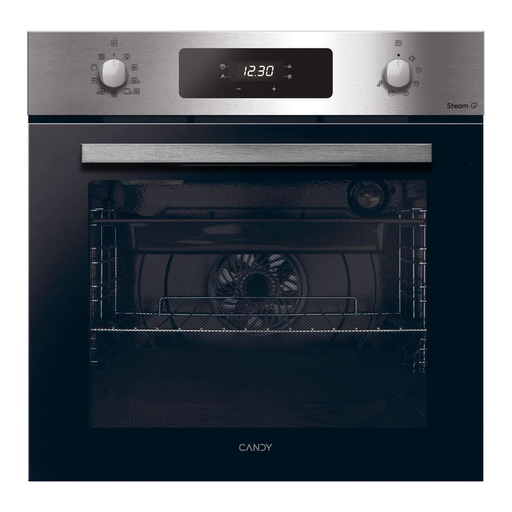 No image available
Consider a single cavity if the cottage pie is your main oven dish and a separate cooking temperature is unnecessary.
This model’s title specifies pyrolytic cleaning; check the cleaning instructions, dish clearance, cabinet opening and electrical connection.
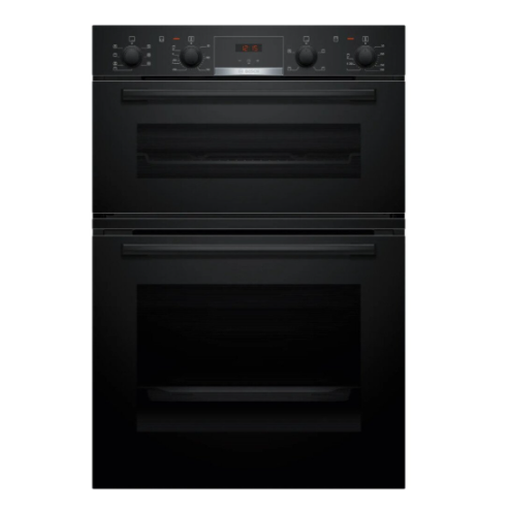 No image available
Its double-oven format is relevant when the pie and a side need different schedules.
Confirm the cooking modes and dish clearance in each cavity, as well as housing dimensions and the electrical requirements with a qualified installer.
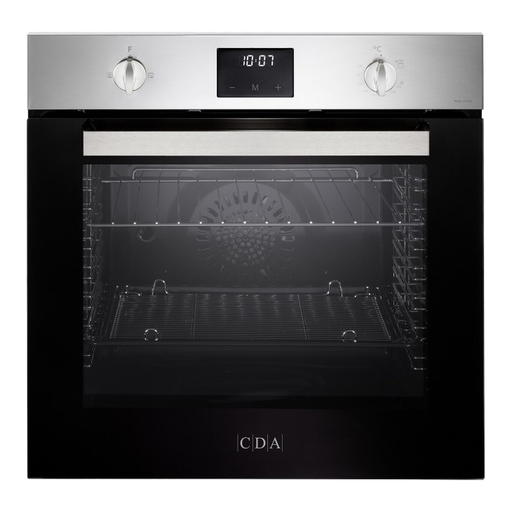 No image available
This single gas oven is a consideration for baking the pie where the kitchen has a compatible gas supply.
Check the exact gas-connection and installation requirements, ventilation, cabinet opening and space for your baking dish before ordering.
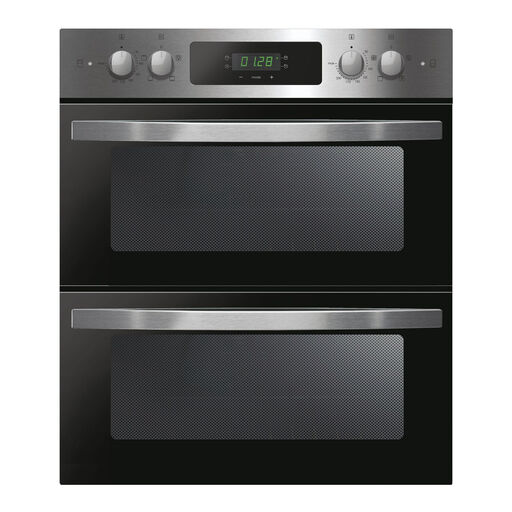 No image available
Consider this built-under double-oven format when the pie and another dish need separate cooking spaces.
Check the usable size and cooking modes of both cavities, the built-under opening and the electrical connection for this exact model.
Arrange for a qualified electrician to check the chosen oven and existing circuit before installation. Electrical Safety First advises having an oven fitted by a qualified electrician; connection requirements depend on the model.
Measure the cabinet opening’s height, width and depth against the exact installation sheet, and check ventilation and door clearance. Appliance width alone will not tell you whether a single, tall double or built-under double oven fits.
No. A pyrolytic function can turn residue into ash, but you still need to follow the model’s instructions, let the oven cool and wipe it out as directed.
No. It describes a manufacturer-specified cooking feature, not a guaranteed result for your dish. Check that the pie fits the recommended shelf position and consider independent model-level tests of heat distribution and temperature control where available.