High-volume bake-sale organisers
If you expect to make several trays in one session, usable shelf space and a cooking mode suited to repeated batches matter more than a long list of extra functions.


Choose a fitted fan-assisted single oven if cheese straws are your main batch bake and one cavity provides enough usable tray space. Consider a double oven if you regularly need a separate cavity for another cooking task. In either case, check the shelf layout and evidence of even baking alongside cabinet fit and electrical requirements; a larger capacity alone does not establish how evenly several trays will brown.
If you expect to make several trays in one session, usable shelf space and a cooking mode suited to repeated batches matter more than a long list of extra functions.
You need an oven that fits the existing cabinet and can be connected appropriately, as well as a layout that works for your cheese-straw trays.
You may value straightforward operation and cleaning after an occasional bake. If you plan to sell the food, consider separately whether your activity counts as a food business.
Decide whether you need one baking cavity or two separate cooking spaces, then compare the tray layout and baking evidence for the exact models that fit your kitchen.
| Concern | What to check | Who this matters to |
|---|---|---|
| Batch capacity | Compare usable tray space, shelf positions and included trays; if considering a double oven, check what each cavity can accommodate. | If I need to produce several trays in a session, I want to know how many will fit rather than judge by litres alone. Around 42% of consumers put batch capacity first. |
| Even baking | Check the stated fan and multi-level modes, then look for model-specific evidence on heat distribution and temperature accuracy where available. | When successive trays need consistent colour, uneven browning makes the bake harder to manage. For around 33% of consumers, predictable baking is the primary concern. |
| Fit and upkeep | Compare installation dimensions and electrical requirements with your kitchen; check which surfaces the cleaning feature covers. | I do not want a suitable-looking oven that cannot be installed in my cabinet or is awkward to clean after baking. Fit, installation and upkeep come first for around 25% of consumers. |
A large stated cavity does not establish how much usable tray space it offers or whether several shelves bake evenly.
Check shelf positions and multi-level cooking instructions, and consult independent heat-distribution and temperature-accuracy results for the model where available.
Electrical requirements vary by model. Ovens above 3 kW need a larger connection than a standard 13-amp plug arrangement; the AEG DEB331010M is specified at 4,100 W with hard-wiring by an electrician.
Confirm the chosen oven's rating and connection instructions against your kitchen circuit before arranging installation.
A model requiring hard-wiring or a different circuit may also require electrician and installation work.
Somerset Council distinguishes individuals who occasionally provide food at voluntary charity events from food businesses. That distinction matters before applying business allergen requirements to your sale.
Check whether your activity constitutes a food business; if its status is unclear, ask the relevant local authority. Keep the actual ingredients in your cheese straws clear so you can answer buyers' questions accurately.
Cleaning features differ between models and may address particular cavity surfaces or removable door glass rather than trays, racks and every oven surface.
Check the exact model's cleaning instructions and which parts you will still need to wash after baking.
Consider Bosch fitted single and double ovens if multi-level cooking and the choice of cavity layout matter to you.
NEFF is relevant if you are comparing fitted ovens with CircoTherm hot-air cooking.
AEG double ovens are worth comparing when a second cooking cavity would help alongside the main cheese-straw bake.
An Indesit fitted single oven may be relevant for occasional baking where a fan-heated cavity and accessible cleaning are priorities.
These fitted single and double ovens offer different cavity layouts for cheese-straw baking. Compare their exact shelf arrangements, cabinet fit and electrical instructions before choosing one for your kitchen.
 No image available
Consider this double oven if you want separate cooking spaces during a bake-sale session. Its stated 90cm size makes cabinet fit an important check; confirm the installation opening and electrical requirements before purchase.
 No image available
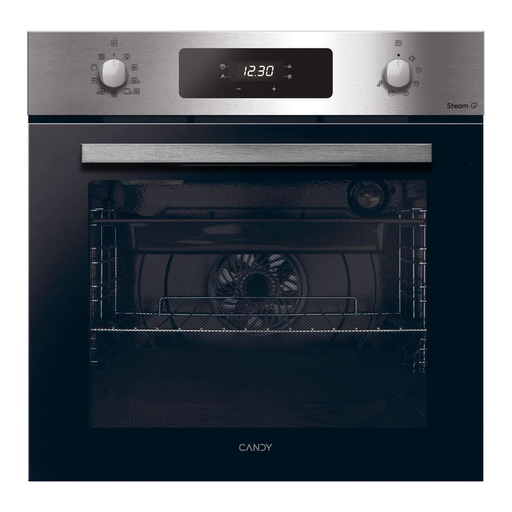
Consider this single-cavity oven if cleaning after repeated bakes is a priority. Check the usable shelf layout for your trays, as well as the required cabinet opening and electrical connection.
 No image available
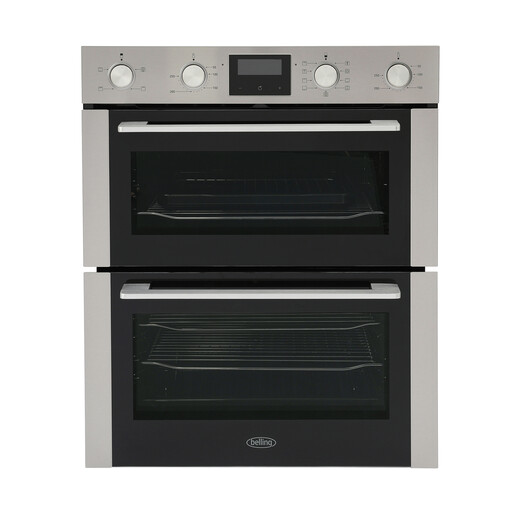
This built-under option is relevant if your kitchen layout calls for that fitting arrangement and you want separate cooking spaces. Check the usable main-cavity tray space, cabinet opening and electrical requirements against your plans.
 No image available
Consider the double-oven layout if another dish needs a separate cooking space while cheese straws bake. Confirm the main cavity's shelf and tray arrangement, installation dimensions and electrical connection for this model.
 No image available
This single oven is relevant if you plan to bake within one cavity rather than use separate cooking spaces. Its stated capacity is 65 L; check how your trays fit, along with the required installation opening and connection instructions.
No: a single fan-assisted oven can suit repeated cheese-straw batches if its usable tray space meets your needs. A double oven makes more sense when you regularly need a second cavity for another cooking task; check its cabinet and electrical requirements before choosing it.
Check the new oven's installation dimensions and electrical connection against your existing kitchen setup. Ovens above 3 kW need a larger connection than a standard 13-amp plug arrangement, so use the exact model's instructions rather than assuming your current connection will suit it.
If you are operating as a food business, applicable allergen-information requirements matter. GOV.UK guidance addresses those duties for food businesses; check the precise ingredients in your cheese straws and the rules for how you offer them, including whether they are loose or packaged.
Not automatically. Somerset Council says individuals who are not food businesses and only occasionally provide food at charity events or voluntary cake sales do not have to follow business allergen requirements. If the nature or frequency of your sale makes its status unclear, check with the relevant local authority.
The Food Standards Agency says a new food business using its registration service should register with its local authority at least 28 days before trading or food operations begin. This is a food-business requirement, not a reason to assume every occasional voluntary bake sale needs registration.