A built-in single oven can suit a family nut-loaf meal if the loaf and sides fit in one cavity and can cook at the same temperature. Choose a built-in double oven when you regularly need separate cooking zones, or a freestanding double-oven cooker when you also need a hob. Check the space, electrical connection and fit of your tins and trays before comparing extra functions.
Who is this for?
Family-meal coordinators
If you roast a nut loaf alongside vegetables or potatoes, decide whether the dishes can share a temperature and shelf space. A second cavity becomes relevant when they cannot; AEG UK describes a double-oven model that can cook two dishes at once.
Built-in kitchen replacers
If the new oven must fit existing cabinetry, compare its installation drawing and electrical requirements with your kitchen before choosing cooking functions. Electrical Safety First notes that oven connection types vary.
Low-maintenance home cooks
If roasting and baking leave frequent spills, compare the cleaning instructions for the exact model. AEG UK describes catalytic cleaning on one cited double oven; that does not make every cleaning system interchangeable.
What matters when choosing?
Start with the cooking format: whether the nut loaf and accompaniments need separate temperatures determines how useful a second cavity will be. Then check that the chosen format fits the kitchen.
Built-in single oven
Choose it when: One cavity can accommodate the loaf and sides at a compatible temperature.
Trade-off: Dishes needing different temperatures may have to cook in sequence.
Built-in double oven
Choose it when: You regularly need separate cavities for the loaf and another dish.
Trade-off: The cabinet opening and electrical installation must suit the particular double oven.
Freestanding double-oven cooker
Choose it when: You need to replace the hob and oven together, with separate cooking cavities.
Trade-off: It occupies floor space rather than a built-in oven housing; check the hob type too.
| Concern |
What to check |
Who this matters to |
| Meal space |
Check the number of cavities, usable shelf positions and whether your loaf tin and roasting trays fit together. |
When the loaf and sides need different temperatures, I want room to cook them without waiting for one dish to finish; around 31% of consumers put meal coordination first. |
| Kitchen fit |
Compare the model’s installation drawing with the available space, then check its plug or hardwired connection requirements. |
If I am replacing an integrated oven or a cooker, the new appliance has to fit the kitchen and its electrical provision; for around 31% of consumers, fit and installation come first. |
| Cooking control |
Look at the stated fan and multilevel functions, timer and instructions for the exact oven. |
I need to judge how the loaf and other dishes will cook across the shelves I use; around 25% of consumers place cooking control first. |
| Cleaning |
Identify the model’s cleaning system and read its instructions and maintenance limits. |
After regular roasting, I want a cleaning routine I can manage; cleaning is the primary concern for around 13% of consumers. |
Buying pitfalls
-
Choosing by litre capacity alone
A capacity figure does not tell you whether your loaf tin and roasting trays fit on the available shelves. A large single cavity also remains one temperature zone.
Measure the tins and trays you use, check shelf positions and decide whether you need two independently usable cavities.
-
Ordering before checking installation
Built-in single and double ovens can require different cabinet openings, and oven connection types vary. Cooking functions will not resolve a mismatch with the available space or electrical supply.
Read the exact model’s installation drawing and connection requirements before ordering. Ask a qualified electrician to assess the installation where needed.
A model that does not fit the existing opening may require changes to the kitchen before it can be installed.
-
Treating feature names as cooking results
Airflow, door-access and cleaning names describe different manufacturer features; they do not establish how every oven will cook a nut loaf or how much cleaning it will need.
Compare the exact model’s functions and manual against your trays, recipes and cleaning routine rather than relying on the feature name.
-
Overlooking the electrical connection
Electrical Safety First notes that some ovens use a standard plug while others need hardwiring into a dedicated circuit, and warns about overloading extension leads.
Check the oven’s stated electrical requirements, do not use an extension lead for it, and consult a qualified electrician if the existing connection is uncertain.
Brands to consider for oven formats
AEG
Built-in single and double ovens offer different ways to plan a family meal.
- AEG UK lists a 71 L capacity and multilevel cooking for the OS6AB50AK single oven, and says the GU5CP20M double oven can cook two dishes at once.
- Compare the installation and cleaning information for the specific model; these features do not apply to every AEG oven.
Beko
Freestanding electric cookers are relevant when the purchase must include both a hob and ovens.
- Beko UK describes the FDI6731C as having a 69 L fan main oven and a conventional top oven with an integrated grill.
- Check the hob type, available floor space and electrical requirements for the cooker you choose.
NEFF
Some built-in models focus on access to trays as well as cooking functions.
- NEFF describes the B4ACF1AN3B as having a fully disappearing Slide&Hide door.
- Door access does not establish the usable space for your tins; check the model’s installation and electrical instructions as well.
Bosch
The Bosch UK built-in range includes single, double and compact oven formats.
- The range gives buyers different formats to compare against their cabinet space and cooking plan.
- Range categories do not establish the capacity, connection or functions of an individual model.
Joybuy ovens and cookers for family meals
These choices cover built-in single and double ovens and freestanding double-oven cookers. Choose the format that suits your kitchen and whether the loaf and sides need separate cooking zones, then check the exact model’s installation requirements.
 No image available
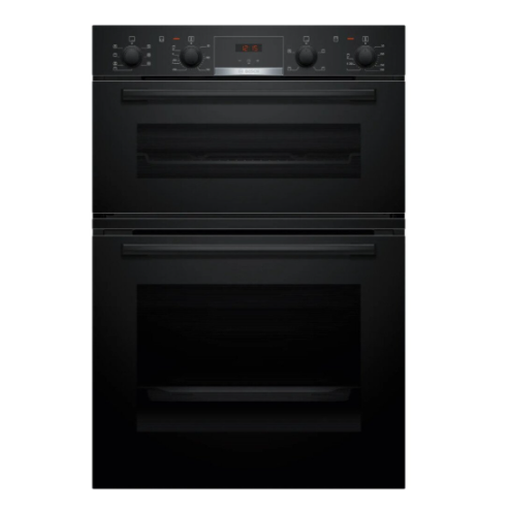
Bosch Series 4 MBA533BB3B electric double oven – black
Consider this built-in double oven if the nut loaf and sides need separate cooking spaces. Check that an eye-level housing, rather than an under-worktop opening, suits it; confirm the required cabinet space, electrical connection and room for your tins.
View on Joybuy
 No image available
Belling BEL BI903MFC 90 cm built-in double oven – black and stainless steel
This double-oven format is relevant when you want to cook a nut loaf and another dish in separate cavities. Check the cabinet opening and space for your trays; the stated hardwired connection also needs an appropriate electrical installation.
View on Joybuy
 No image available
Bosch HHF113BA0B Series 2 built-in single electric oven – black
Consider a single oven when the loaf and accompaniments can share one cavity and cooking temperature. It cannot provide a separate oven zone, so check your tin and tray arrangement, cabinet opening and electrical installation.
View on Joybuy
 No image available
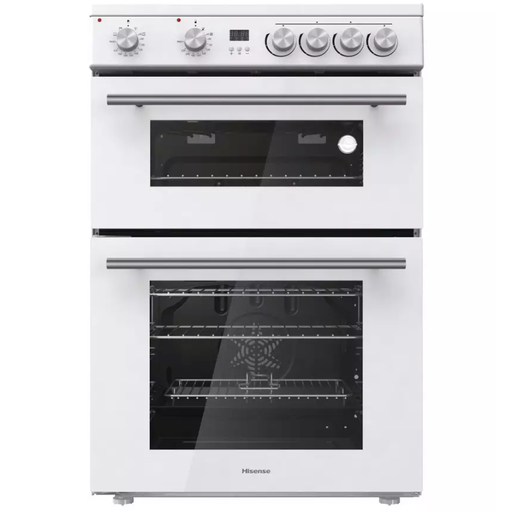
Hisense HDE3211BWUK 60 cm double-oven cooker with ceramic hob – white
This freestanding format suits a kitchen that needs a hob as well as separate spaces for the loaf and sides. Check the available floor space, delivery access and electrical connection, and make sure your tins fit the cavities.
View on Joybuy
 No image available
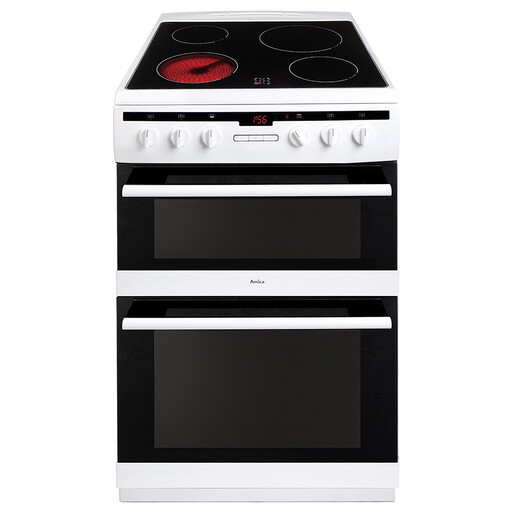
Amica AFC6550WH 60 cm ceramic cooker – black
Consider this freestanding cooker if you need a hob and separate oven spaces for a family meal. Check floor space, tin and tray fit and the stated hardwired installation requirement. Confirm delivery to your address: the listing limits local delivery to BN and TN postcodes.
View on Joybuy
Common questions
Is a single oven enough for a family nut-loaf meal?
A single oven can be enough if your loaf tin and accompanying dishes fit and can cook at compatible temperatures. Choose a double oven if you regularly need separate cooking zones; AEG UK describes a double-oven model that can cook two dishes at once. Check shelf positions and tin dimensions, not just capacity in litres.
Do all ovens need to be hardwired?
No. Electrical Safety First says some ovens use a standard plug while others need hardwiring into a dedicated circuit. Check the connection and electrical requirements for the exact model, and use a qualified electrician where the installation requires one.
Can I use the same temperature for every fan oven?
No single temperature adjustment suits every oven and nut-loaf recipe. Beko UK suggests reducing a conventional recipe temperature by 20°C as a general guide for its fan-oven cookers; follow the recipe and the instructions for the oven you choose.
Does a cleaning feature mean I will not need to clean the oven?
No. Cleaning systems have different instructions and limitations, so check the manual for the exact model rather than treating a feature name as a complete cleaning routine. Let the appliance cool fully before cleaning it, as Electrical Safety First advises.


