
24/7 Customer Support

Free returns

Same-day & Next-day Delivery

Quality Guaranteed

Unlock Your Welcome Offers: FREE Delivery | Up to 80% OFF | Free 30-day JoyPlus trial
Download the APP
Finding the right size 5 football can feel like a simple task, but the market is flooded with options that look great on the shelf but fail to perform on the pitch. Whether you're buying for a weekend kickabout, a serious training football for a youth player, or as a football gift for a dedicated fan, making the wrong choice can lead to disappointment and wasted money. As a Joybuy Product Recommendation Officer, my role is to help you see past the marketing hype and focus on what truly matters. Let's break down the common traps and key features to ensure your next ball is a winner.
Many footballs fail to live up to their initial promise. Here are the three most common issues UK buyers face and how to sidestep them:
To avoid the pitfalls above, focus on these three non-negotiable specifications. Understanding them will help you select a ball that delivers consistent performance and durability.
The material of the outer shell dictates the ball's touch, durability and performance in different weather conditions.
The bladder is the internal component that holds the air. Its material is crucial for air retention and the ball's overall feel.
How the panels are joined together significantly impacts the ball's durability and flight path.
Based on these criteria, we've matched some standout options to different types of users.
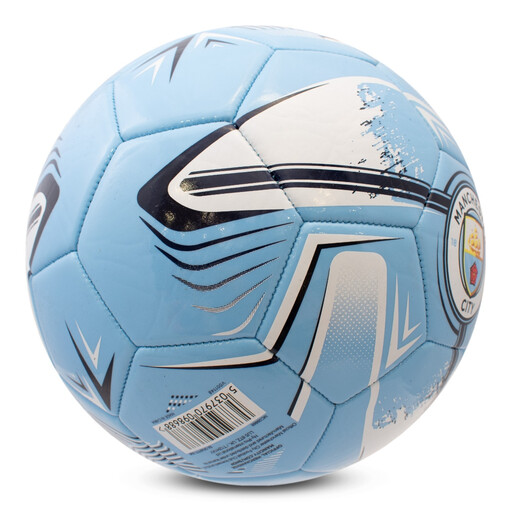
Why This Fits Their Persona: This user wants to show their club pride. This officially licensed ball is perfect as a football gift or for a fan's collection, while still being durable enough for a casual kickabout in the garden with family and friends.
It avoids the "one-season wonder" trap by using durable synthetic materials designed for reliable shape retention, ensuring it looks good and performs well beyond just a few uses.
Official Licensing: Authentic club branding and colours.
Durable Construction: Made from high-quality synthetic materials suitable for casual play.
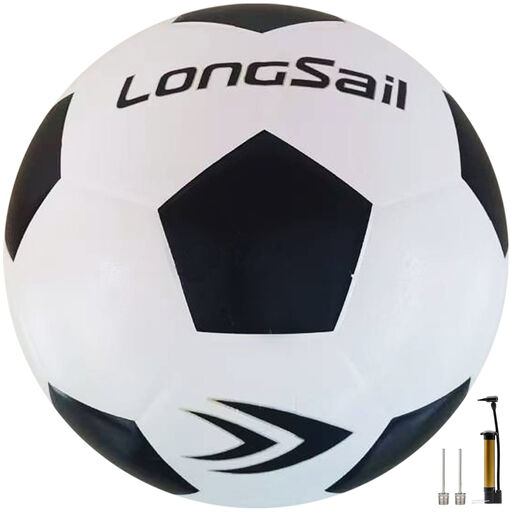
Why This Fits Their Persona: This player needs a workhorse ball that can handle frequent training sessions on different surfaces and in typical damp UK weather. Performance and durability are their top priorities over branding.
Its seamless foam rubber shell is fully waterproof, preventing it from becoming waterlogged. The advanced air-retention valve directly counters the "rapid deflation" trap, holding pressure reliably.
Superior Durability: Built to withstand high-impact play.
All-Weather Performance: The waterproof construction ensures it performs consistently in the wet.
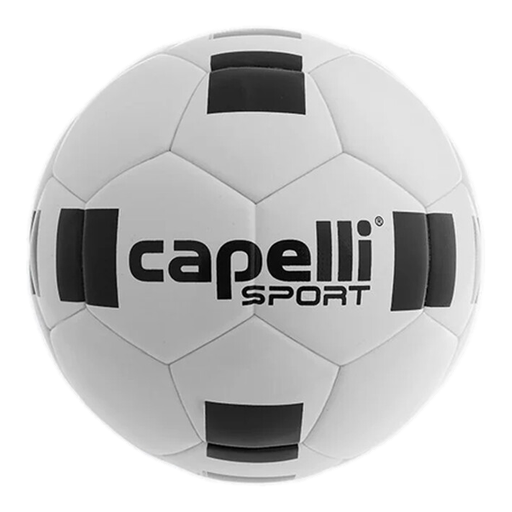
Why This Fits Their Persona: Ideal for a **kids football** (for ages 12+) or a teen honing their skills. This ball focuses on performance features like grip and control without the premium price of an official match ball, making it a practical choice for regular practice.
It avoids the "rock-hard" feel by using a PU exterior over a TPU construction, offering a softer touch for better control while remaining durable enough to prevent cracking or hardening.
Enhanced Control: The PU exterior and seamless construction provide better friction and grip.
Versatile Use: Suitable for both indoor and outdoor play on various surfaces.
Now that you've found the right football, ensure you're comfortable on the pitch. A good pair of men's sports shorts, like the Nike Fleece Park 20 Shorts, made from breathable, moisture-wicking fabric can make all the difference during a training session or a casual game in the park.
We have compiled a complete, real-time list of products that fully satisfy these strict selection criteria and UK safety regulations.
The lifespan of a football depends heavily on its material, construction and the surfaces it's used on. A quality PU or TPU ball used primarily on grass can last for several seasons of regular play. A less expensive PVC ball, especially if used on abrasive surfaces like concrete or astroturf, may only last for a single season. To extend its life, clean your ball after use and store it in a cool, dry place.
Most size 5 footballs should be inflated to a pressure between 8 and 12 PSI (0.6 and 0.8 BAR). The specific recommended pressure is almost always printed on the ball itself, near the inflation valve. Using the correct pressure is important: an under-inflated ball will have a poor bounce and feel heavy, while an over-inflated ball can put stress on the seams and feel too hard.
Yes, you can, but it's wise to choose a ball designed for durability. Astroturf and 3G/4G pitches are more abrasive than natural grass and will cause more wear on a ball's outer casing. For frequent use on these surfaces, look for a ball with a robust TPU (Thermoplastic Polyurethane) outer shell, as this material is specifically designed to resist scuffs and abrasion better than softer PU or standard synthetic materials.