
24/7 Customer Support

Free returns

Same-day & Next-day Delivery

Quality Guaranteed

Unlock Your Welcome Offers: FREE Delivery | Up to 80% OFF | Free 30-day JoyPlus trial
Download the APP
Buying a size 5 football in the UK can seem straightforward until the ball loses air, becomes uncomfortable to kick or proves unsuitable for the surface where it will be used. Marketing language such as “professional feel”, “all-weather” and “match quality” can also make products appear more alike than they really are.
This guide explains the practical details worth checking before you buy, from materials and inflation to intended use. It also highlights suitable options for young players, casual kickabouts, training and football supporters.
A size 5 football is generally the familiar full-size format used by adults and older youth players. However, size alone does not confirm match certification. Some balls are designed for recreational football, garden use, beach play or display.
For example, a branded football may be suitable for friendly matches and practice but not intended for organised competition. Always check the product description for its intended use rather than relying on the size label.
A striking design can be useful for visibility, particularly in a park or garden, but graphics do not tell you how the ball will perform. Check whether the outer material is PVC, TPU, PU, synthetic material, neoprene or foam rubber, and look for details about the core, stitching and air retention.
A durable PVC football can be a practical choice for everyday recreational use. More specialised constructions may offer a different touch or wet-weather performance, but they should still match your playing environment.
A football used on wet grass, artificial turf, paving or indoors will face different demands. A soft neoprene beach football may be comfortable for relaxed play but is not intended for competitive football. Conversely, a traditional training ball may be unnecessarily firm for very young beginners.
Consider where the ball will be used most often before paying extra for features that may not be relevant.
A standard size 5 football usually measures approximately 68–71 cm in circumference. It is commonly used by adults and players aged around 12 and above, although local youth football rules can vary. Younger children may find a size 3 or size 4 ball easier to control.
For a household buying one football for adults and youth, size 5 offers a familiar format for older children, teenagers and adults. If the ball is mainly for a small child, a lighter playground design may be more comfortable than a full-weight training ball.
The cover affects touch, grip and durability:
A textured exterior may help with handling and control, but it does not replace correct inflation or suitable footwear. For regular park football or club football training, prioritise a robust outer cover, reliable shape retention and a clearly stated intended use.
Many footballs arrive requiring inflation. Use a suitable pump and needle adapter, and follow the pressure guidance supplied with the product. One listed Capelli Sport ball specifies 8–9 psi, while the Longsail ball gives a size 5 range of 8.7–11.6 psi.
Do not over-inflate. Excess pressure can affect control and may damage the ball. After outdoor use, wipe away mud with a damp cloth, allow the surface to dry and store the ball away from sharp objects, direct heat and prolonged sunlight. Regularly inspect the panels, valve and outer cover for damage.
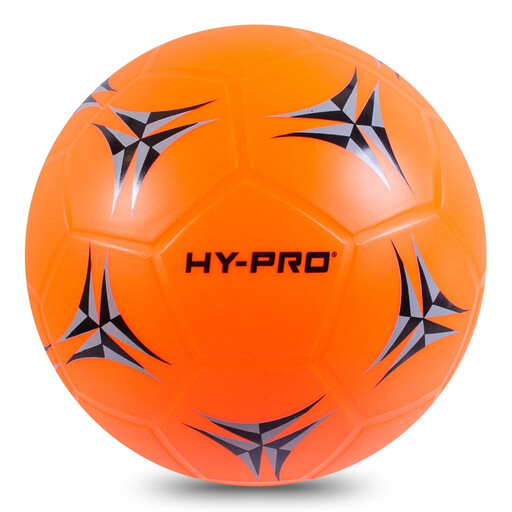
Why This Fits Their Persona: Its lightweight 280g design is suited to beginners, playgrounds, gardens and informal practice where easy handling matters.
The clearly stated lightweight construction avoids choosing a standard, heavier ball for a young beginner.
PVC construction; lightweight 280g format for easier control.
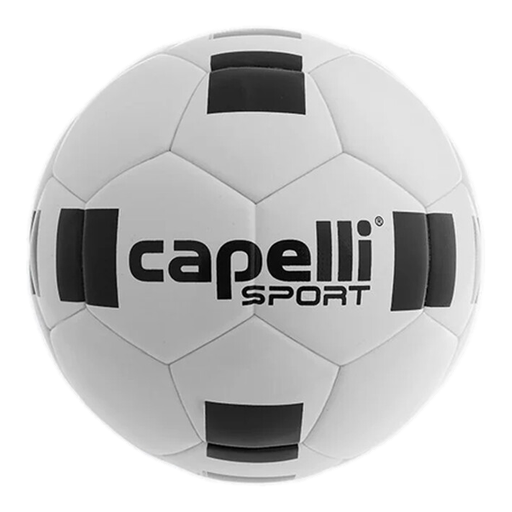
Why This Fits Their Persona: This option is designed for indoor and outdoor activities, making it suitable for players wanting one versatile ball for lawns, gardens, fields and indoor facilities.
Its specification identifies TPU seamless stitching, a PU exterior and recommended inflation pressure rather than relying only on appearance.
TPU seamless construction; suitable for indoor and outdoor play.
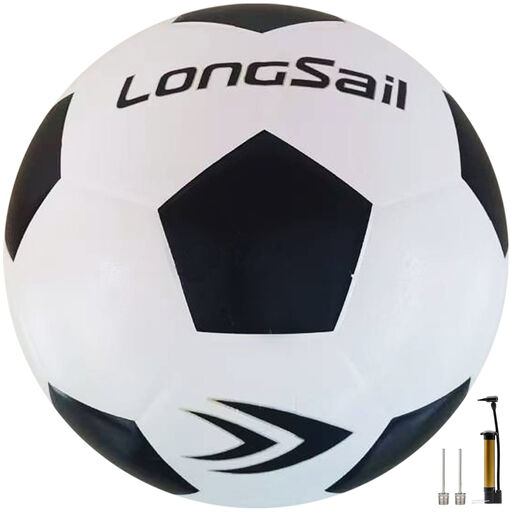
Why This Fits Their Persona: A practical option for frequent training, wet conditions and varied surfaces, including grass, turf and beach use.
The listed seamless waterproof shell addresses the common problem of a ball absorbing water during wet-weather play.
Waterproof foam rubber shell; supplied with an inflation pin, pump and mesh storage bag.
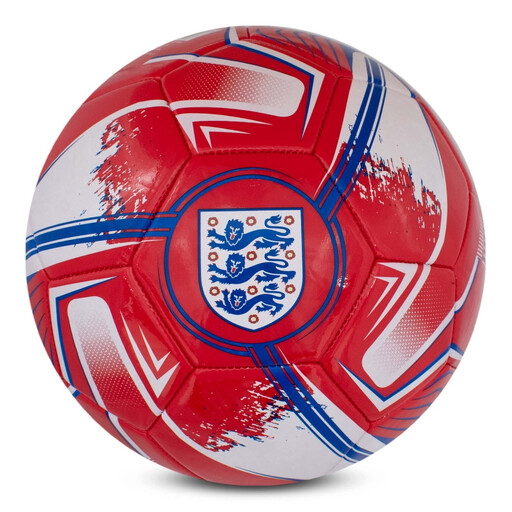
Why This Fits Their Persona: An officially licensed England FA design for supporters seeking a usable ball with national-team styling.
The listing separates its official branding from practical specifications such as size 5 format, textured surface and intended recreational use.
Official England FA branding; textured outer surface for grip and control.
We have compiled a complete, real-time list of products that fully satisfy these strict selection criteria and UK safety regulations.
It can be suitable for older children and youth players, but age guidance varies by league and training programme. Younger players may benefit from a lighter or smaller ball. Check local club requirements before buying a ball for organised fixtures.
Lifespan depends on the cover, playing surface, inflation and frequency of use. Cleaning the ball, avoiding sharp surfaces and maintaining the recommended pressure can help preserve its shape and valve. Inspect it regularly and replace it if the cover, stitching or valve is damaged.
Most require a standard football pump with a needle adapter. Inflate gradually and follow the product’s stated pressure guidance. Keeping a pump and spare needle at home is useful for garden football, park football and regular training sessions.