
24/7 Customer Support

Free returns

Same-day & Next-day Delivery

Quality Guaranteed

Unlock Your Welcome Offers: FREE Delivery | Up to 80% OFF | Free 30-day JoyPlus trial
Download the APP
Buying a size 5 football can seem straightforward, but product listings often blur the difference between a match-style ball, a recreational football and a fan-focused souvenir. Choosing by colour alone may leave you with a ball that is uncomfortable on hard ground, difficult to see in poor light or unsuitable for regular training.
The most common buying pitfalls include:
A size 5 football is generally the standard adult football format and is commonly used by players aged around 12 and above, including teenagers and adults. The usual circumference is approximately 68–71 cm, although exact specifications can vary between products.
For younger children, a size 3 or size 4 football may be easier to control. However, a size 5 football can still suit family gardens, schools and casual practice when the player is comfortable handling its dimensions.
Size alone does not confirm that a ball is approved for organised competition. If you need an official match ball, check the competition or governing-body requirements separately. Many club footballs and recreational footballs are intended for training, leisure play or collecting.
A synthetic football may use PVC, TPU, PU or another composite material. PVC is commonly found on affordable recreational balls because it is practical for casual use. TPU and PU-style covers may offer a different touch and flexibility, but the construction and stitching method also matter.
A textured outer surface can help players feel the ball during passing, dribbling and shooting. It may be useful for beginners or football training, but it does not automatically mean the ball is suitable for every surface or weather condition.
Look for:
Repeated impacts, wet ground and storage in unsuitable conditions can affect a football’s shape and pressure. Look for clear information about the panel construction, bladder and valve. A ball designed for regular training should be checked before each session and inflated according to the manufacturer’s instructions.
The Longsail model listed below uses a seamless foam rubber composite shell and a double-layer valve system, with the product information stating that it is designed for wet conditions. These features make it more relevant to buyers who expect outdoor use in changeable UK weather.
Do not over-inflate any football. Excessive pressure can affect handling and may damage the ball.
Colour and graphics are not merely decorative when playing in a garden or park. Orange, bright blue and luminous designs can be easier to follow than darker colourways in low light. A glow-in-the-dark ball requires exposure to bright light before use, so its effect depends on preparation and surrounding conditions.
A beach football with a neoprene outer is intended for relaxed play rather than a formal match. Neoprene can provide a softer feel for poolside, beach and holiday use, but it should not be confused with a standard training ball for competitive drills.
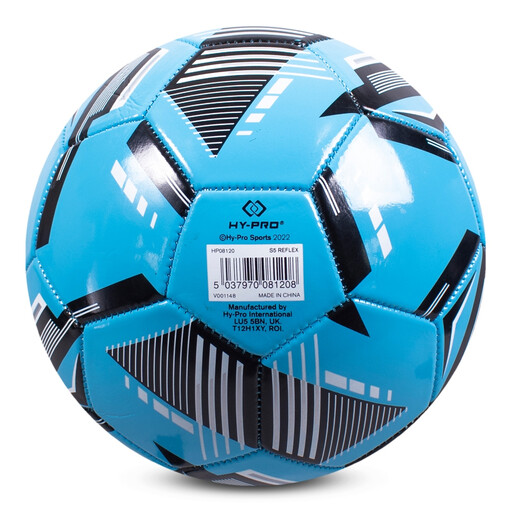
Why This Fits Their Persona: A practical blue PVC football for beginners, first-time buyers and families looking for a garden or park football.
The listing clearly identifies PVC construction and recreational use, helping set realistic expectations instead of implying professional match use.
Durable PVC outer; suitable for casual play, practice and skill development.
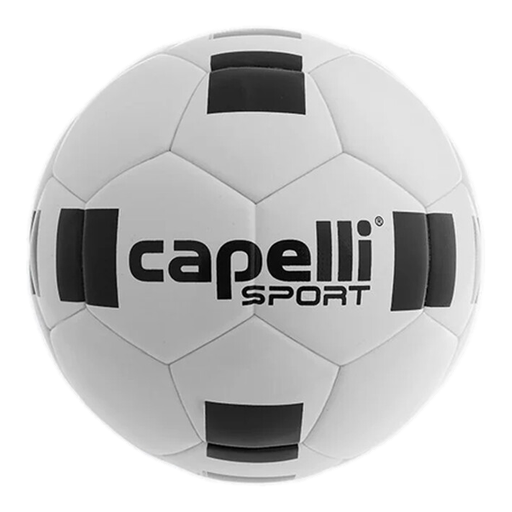
Why This Fits Their Persona: A TPU seamless-stitching design for shoppers wanting a size 5 football for indoor and outdoor activities.
The construction, material and recommended 8–9 psi pressure are stated clearly, making it easier to compare with vague listings.
TPU seamless stitching; PU exterior and rubber core; intended for indoor and outdoor use.
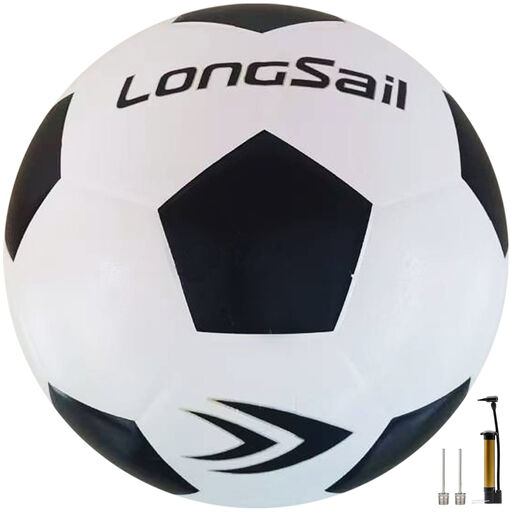
Why This Fits Their Persona: A waterproof option for frequent outdoor training, wet grass, beach activities and all-weather recreational football.
Its product information specifies a seamless waterproof shell and identifies the recommended size 5 pressure range.
Waterproof foam rubber shell; includes an inflation pin, pump and drawstring storage bag.
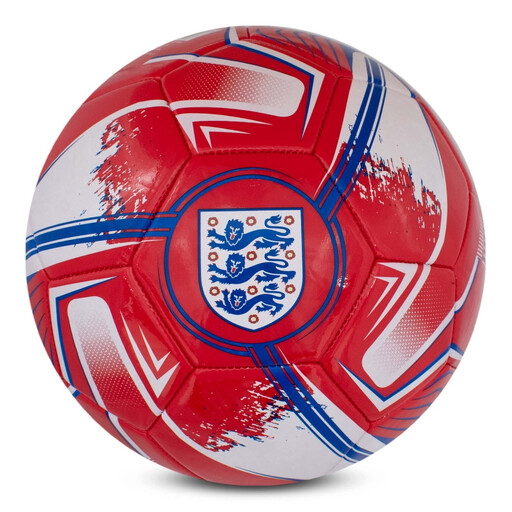
Why This Fits Their Persona: An officially licensed England FA football that works as a practical training ball, garden football or football gift.
The listing separates its official England FA branding from its stated uses, including training, school, garden and recreational play.
Textured synthetic outer; England FA branding and turbine-style graphics.
We have compiled a complete, real-time list of products that fully satisfy these strict selection criteria and UK safety regulations.
Generally, yes. Size 5 is the standard format for adults and is commonly used by players aged 12 and above. Younger children may find size 3 or size 4 easier to control, depending on their age and ability.
Yes, provided the product is intended for recreational or outdoor use. Check the surrounding area for stones, glass, roads and breakable objects. A PVC or synthetic football is often a practical choice for casual garden and park play, while a dedicated beach football is more suitable for relaxed sand or poolside activities.
Check the pressure before each session and top it up when the ball feels soft or does not rebound consistently. Follow the manufacturer’s stated pressure range and avoid over-inflation, which can affect control and place unnecessary strain on the cover and valve.