
24/7 全天候客户支持

免费退货

当日/次日达

品质保障

开启新人专享福利: 全场免邮 | 低至 2 折 | 免费试用 30 天 JoyPlus 会员
下载 Joybuy
Choosing the right size 7 basketball can feel overwhelming. With options ranging from durable outdoor models to high-performance indoor balls, it’s easy to get lost in the details. Whether you need a tough outdoor basketball for the local park, a responsive indoor basketball for league games or a complete starter kit for a beginner, the right ball can make all the difference to your game.
As the Joybuy Product Recommendation Officer, my role is to help you navigate these choices. This guide cuts through the marketing clutter to offer clear, practical advice, helping you find a basketball that suits your playing style, court surface and budget.
Before you add a ball to your basket, a few key factors will determine which one is right for you. Understanding these will ensure you get the most value and performance out of your purchase.
The material of a basketball is directly linked to where you plan to play.
A size 7 basketball is the official size basketball used in men's professional, university and secondary school leagues worldwide. It has a standard circumference of 29.5 inches. This makes it the default choice for male players aged 13 and over and it is the most common adult basketball size available. For younger players, smaller sizes (like 5 or 6) are available to suit their hand size and strength.
For safety and convenience during shipping, most basketballs are delivered deflated. If you don't already own an inflation pump and needles, looking for a basketball with a pump included is a smart move. This ensures you can get on the court as soon as your ball arrives and saves you the hassle of a separate purchase.
Here are a few standout options that cater to different players and playing environments.
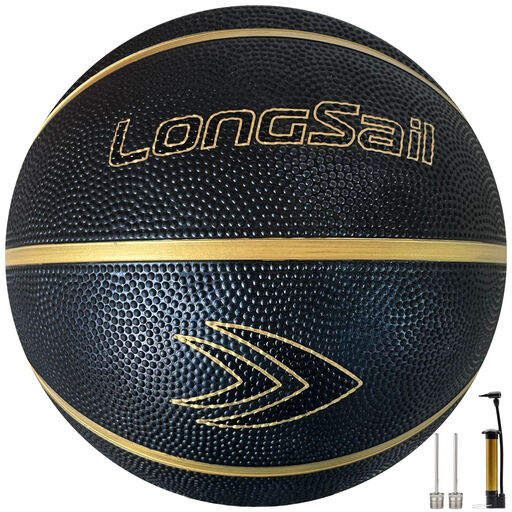
Why It Stands Out: This is a complete, ready-to-play set that offers exceptional value. Its versatile, all-surface design and included accessories make it a fantastic choice for anyone wanting to get started immediately without any extra fuss.
Pros:
Who is it for: This set is ideal for beginners, families or anyone looking for a versatile and convenient all-in-one package for casual play.
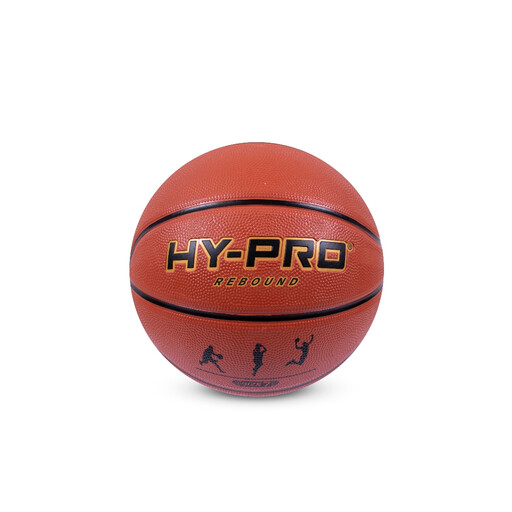
Why It Stands Out: Built for resilience, this ball is a true outdoor basketball. Its tough rubber compound is specifically designed to handle the demands of tarmac and concrete while providing a consistent and reliable bounce, game after game.
Pros:
Who is it for: Recreational players and teens who primarily play on outdoor courts and need a durable, dependable ball that can withstand daily use.
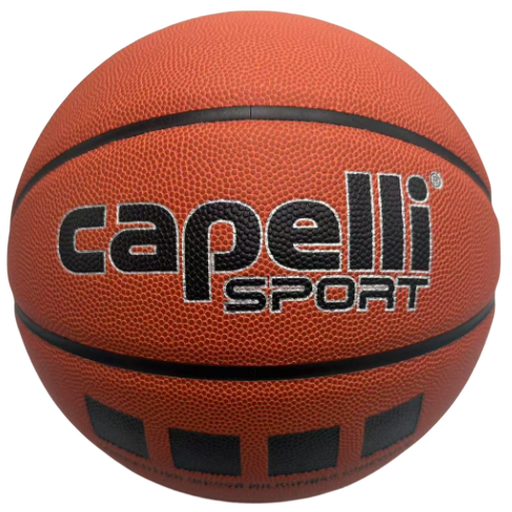
Why It Stands Out: This ball is engineered for competitive indoor play. The wet grip microfibre composite basketball cover offers superior handling and moisture management, providing the feel and responsiveness needed for a serious game.
Pros:
Who is it for: Dedicated players participating in indoor leagues or anyone seeking a high-performance ball for serious practice on hardwood courts.
If our recommendations aren't quite what you're looking for, or if you'd like to see options in different sizes, colours and materials, we have a wider selection available.
Explore our full range of basketballs to find the perfect match for your game.
What is the difference between a size 6 and a size 7 basketball? A size 7 basketball has a circumference of 29.5 inches and is the official size for men's professional, university and school (ages 13+) basketball. A size 6 ball is slightly smaller at 28.5 inches and is the official size for women's professional, university and school (ages 12+) basketball.
Can I use an indoor basketball outside? It is not recommended. Indoor basketballs, typically made from composite materials, have softer covers that can be quickly damaged by rough outdoor surfaces like concrete. An outdoor basketball, usually made of rubber, is designed to withstand these conditions. Using an indoor ball outside will shorten its lifespan and degrade its grip.
How much should I inflate my basketball? Most basketballs have the recommended air pressure, measured in PSI (pounds per square inch), printed near the inflation valve. This is typically between 7 and 9 PSI. A good rule of thumb is to inflate it so that when dropped from shoulder height (around 1.8 metres), it bounces back to your waist.