
24/7 Customer Support

Free returns

Same-day & Next-day Delivery

Quality Guaranteed

Unlock Your Welcome Offers: FREE Delivery | Up to 80% OFF | Free 30-day JoyPlus trial
Download the APP
Finding suitable size 7 nappies can become more difficult as children grow. Weight ranges vary between brands, some toddlers need pull-up styles for independence and overnight wetting can require different absorbency from daytime use. A pack labelled “size 7” is not automatically the right fit, so checking the details before buying can prevent leaks, discomfort and wasted money.
Size numbering is not completely standardised. One product may be designed for children weighing 15kg or more, while another starts at 17kg or is intended for a different body shape. A nappy that is too small can leave marks around the waist and legs; one that is too large may create gaps and leakage.
Always compare the stated weight range with your child’s current weight, then check the waist and leg fit when worn.
Phrases such as “up to 12 hours” describe intended product performance under specific conditions. Actual results depend on the child’s urine volume, sleeping position, fit and how promptly the nappy is changed. Overnight nappies for toddlers can be useful, but even highly absorbent designs should be checked and changed when wet or soiled.
A wetness indicator may be useful for quick checks, while a pull-up design can help with an active child or potty training. However, these features may not justify a higher cost if your child is settled with tab-fastened nappies and is changed frequently. Compare price per nappy, pack size and the intended use rather than relying on premium wording alone.
For many families, size 7 begins around 15kg, although some size 7 nappy pants start at 17kg or above. Check the manufacturer’s stated range rather than choosing a smaller size for a tighter fit.
Tab-fastened nappies can be adjusted around the waist and are often practical for children who still need a lying-down change. Nappy pants and pull-up nappies size 7 are designed to be pulled on like underwear, with tearable sides for removal. They can be convenient for nursery, travel and toddlers who resist traditional changes.
Look for an absorbent core, elasticated leg cuffs and a waistband that sits close without digging in. Double leg protectors, a shaped core or a rear protection pocket may help manage movement and back leakage, but correct positioning remains essential.
For night use, compare products that specifically describe overnight suitability. Nutmeg Baby Ultra Dry Nappies Size 7, for example, lists a fast-absorbing core, channel technology and anti-leak leg cuffs. Pampers Baby-Dry Nappies Size 7 also specifies an extra dry layer and soft, stretchy sides.
Families looking for hypoallergenic nappies should check whether the product is described as hypoallergenic, fragrance-free or dermatologically tested. These terms do not guarantee that every child will tolerate the materials. Stop using a product if redness or irritation occurs and seek medical advice if symptoms persist.
Eco-conscious shoppers may prefer eco-friendly bamboo nappies, but “bamboo” does not mean the entire product is plastic-free or compostable. Check the listed materials, certifications and disposal instructions. Used disposable nappies and training pants should be placed in household waste, never flushed.
The following recommendations cover different routines, from everyday changes and potty training to sensitive-skin preferences and overnight wetting.
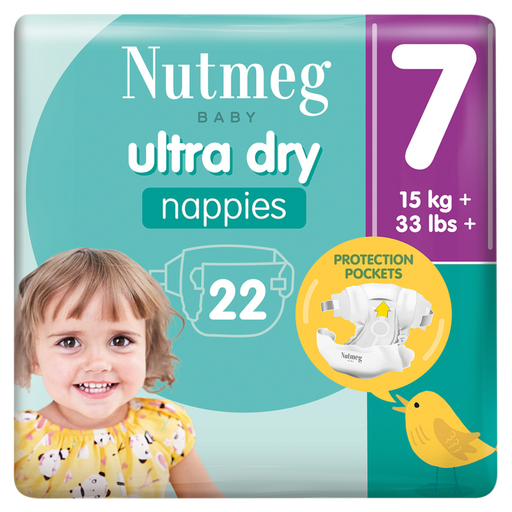
Why This Fits Their Persona: A practical tab-fastened option for families comparing everyday and overnight use while watching pack value.
The stated 15kg+ range helps shoppers compare size by weight rather than by age alone. Its flexible tapes allow adjustment instead of relying on an overly tight fit.
Fast-absorbing core, channel technology, soft stretch materials and anti-leak leg cuffs.

Why This Fits Their Persona: Suitable for families prioritising plant-based materials, material certifications and a soft-feeling design for an active toddler.
The listing identifies bamboo viscose, FSC-certified materials and the absence of fragrance, chlorine, latex, dioxins, phthalates and dyes, making the material choice clearer.
Wetness indicator, stretchy waist and leg cuffs and a multi-layer absorbent core for day and night use.
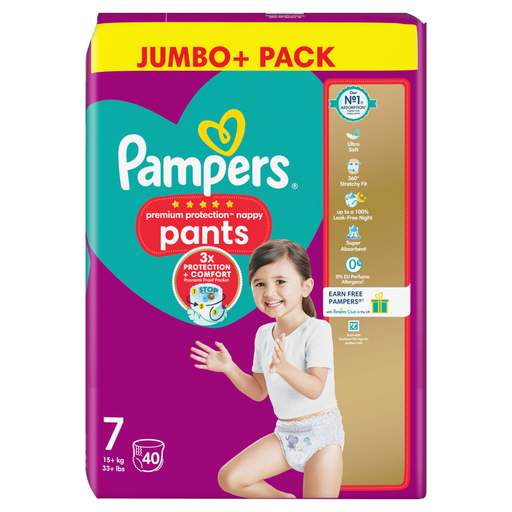
Why This Fits Their Persona: A pull-up choice for wriggly toddlers, nursery changes and families wanting an underwear-style routine.
The 360° waistband and tearable sides address movement and quick changes, while the listed wetness indicator supports regular checking.
40-pack format, pull-up construction, wetness indicator and flexible waistband.
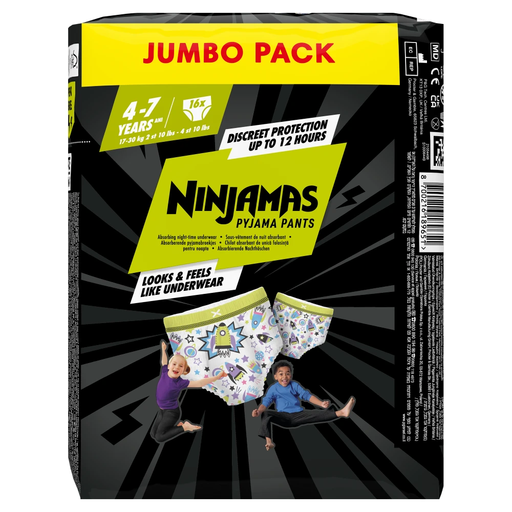
Why This Fits Their Persona: Designed for older children who need discreet night-time protection during bedwetting or sleepovers.
It is positioned specifically as pyjama pants rather than a general daytime nappy, so shoppers can match the product to overnight use.
360° FormFit Belt, quiet material, tearable sides and a stated 16-pack format.
We have compiled a complete, real-time list of products that fully satisfy these strict selection criteria and UK safety regulations.
For potty training, disposable training pants can provide a balance between independence and accident protection. Products such as Naty Bamboo Viscose Training Pants Size 7 and Huggies Pull-Ups Day Time Training Pants Size 7 are designed to pull on like underwear. Look for tearable sides, a clearly stated weight range and features that help a child recognise wetness.
Training pants should support toilet learning rather than replace regular potty opportunities. Encourage your child to use the potty, explain when the pants are wet and change them promptly after accidents.
Many size 7 nappies start at approximately 15kg, while size 7 nappy pants may begin at 17kg or cover a range such as 17–25kg. Check the individual pack because age guidance and weight limits differ by product.
Some are designed for day and night use, while pyjama pants are specifically intended for older children experiencing night-time wetting. Fit, absorbency and changing habits all affect performance. Check the product description and select the correct size rather than sizing down for extra tightness.
The cost depends on pack size, daily usage and whether the pants reduce laundry or make changes easier. Calculate the cost per pant, not just the shelf price, and consider using training pants for outings or nursery while using a standard nappy at other times.