
24/7 Customer Support

Free returns

Same-day & Next-day Delivery

Quality Guaranteed

Unlock Your Welcome Offers: FREE Delivery | Up to 80% OFF | Free 30-day JoyPlus trial
Download the APP
For UK families, moving into size 7 nappies and nappy pants often means a child is more active, beginning potty training or still needing dependable protection overnight. However, choosing the right pack is not simply a matter of selecting the largest size on the shelf. Weight ranges, fastening styles, absorbency and pack value can vary considerably.
The following guide highlights common buying traps, explains the specifications worth checking and matches suitable options to different household needs.
A size number is only a starting point. Some size 7 nappies are intended for children from 15kg, while size 7 nappy pants may begin at 17kg or cover a wider range such as 15–25kg. Two products labelled size 7 can therefore fit quite differently around the waist and legs.
A product that is too small may leave red marks, gaps or restricted movement. One that is too large can allow leaks, particularly at night. Always compare the stated weight range with your child’s current weight and body shape.
A jumbo pack may offer convenience, but it is not automatically economical if the design does not suit your routine. Traditional nappies with tabs can be easier for younger children who still need lying-down changes. Pull-up nappies size 7 are more practical for active toddlers, nursery changes and potty training.
For occasional overnight use, a smaller pack of specialist pyjama pants may be more appropriate than buying a large quantity of daytime products.
Terms such as “up to 12 hours”, “leak-proof” and “sensitive skin” describe intended product performance or design features, not a promise that every child will remain dry in every situation. Fit, sleeping position, fluid intake and how promptly a product is changed all affect results.
Look for practical details such as elastic leg cuffs, a stretch waistband, an absorbent core, wetness indicators and clear removal instructions rather than relying on headline claims alone.
Weight is generally more useful than age when selecting toddler nappies. Check whether the product is designed for 15kg+ children, 17kg+ or a range such as 15–25kg. Then consider your child’s waist and thigh shape.
A well-fitting nappy should sit securely without digging in. For nappies with tabs, pull the leg cuffs out after fastening. For nappy pants, check that the waistband lies flat and that the side seams are not twisted.
Choose the format that matches how your child moves and changes:
A tearable waistband or sides can make changes easier after accidents, especially when a child is standing.
If your child has easily irritated skin, check the full materials list and choose products with features that match your household’s requirements. Some options are described as fragrance-free, latex-free or free from chlorine, parabens and dyes. Certifications such as OEKO-TEX Standard 100 indicate that the relevant materials have been assessed against specified harmful substances; they do not guarantee that every child will tolerate a product.
Families seeking eco-conscious alternatives may wish to consider eco-friendly bamboo nappies or products using FSC- or PEFC-certified pulp. Bamboo viscose can provide a soft-feeling surface, but disposable nappies still contain several components and should be disposed of in household waste. Never flush used nappies or training pants.
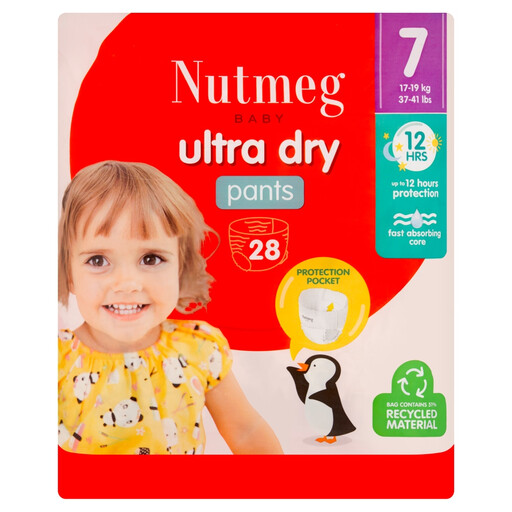
Why This Fits Their Persona: A 28-pack provides a practical supply for families moving from taped nappies to pull-ups, with a 17kg+ weight range suited to many older toddlers.
The stated size guidance and tearable sides make it easier to manage fit and remove the pants after an accident, rather than relying on a tight waistband.
360° stretch waist, fast-absorbing core, anti-leak leg cuffs and PEFC-certified pulp.

Why This Fits Their Persona: Suitable for households prioritising plant-based materials and a conventional tab-fastened nappy format for day and night use.
The product description clearly identifies bamboo viscose, FSC-certified pulp and the absence of fragrance, chlorine, latex, dioxins, phthalates and dyes.
Bamboo viscose back sheet, wetness indicator, stretchy waist and leg cuffs.
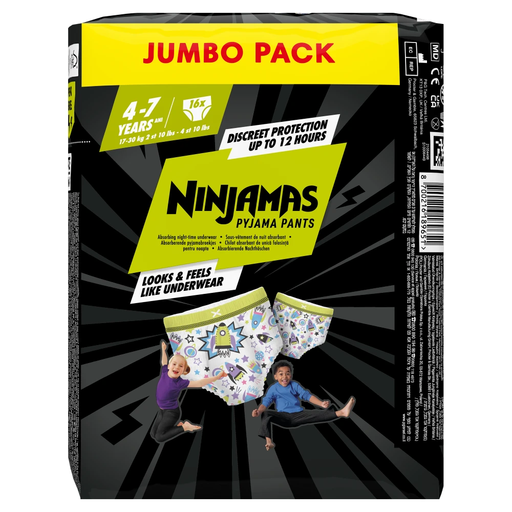
Why This Fits Their Persona: A focused option for older children who need overnight protection nappies or discreet bedtime coverage rather than everyday toddler nappies.
Its underwear-style construction is designed for night use, with tearable sides for removal and a quiet outer material for more discreet wear.
360° FormFit waistband, stated up-to-12-hour protection and OEKO-TEX Standard 100 certification.

Why This Fits Their Persona: Designed for children beginning potty training, with an underwear-like shape and features intended to support dry-and-wet awareness.
The 17kg+ guidance and wetness indicator make the product purpose clearer than choosing a generic pull-up solely by age or appearance.
Tearable waistband, disappearing wetness indicator and underwear-style design.
We have compiled a complete, real-time list of products that fully satisfy these strict selection criteria and UK safety regulations.
Compare the cost per nappy, not just the pack price. A 58-pack of Pampers Baby-Dry Nappies Size 7 may suit families using standard nappies throughout the day, while a 16-pack of specialist night pants is more suitable for occasional overnight use. For potty training, disposable training pants can reduce laundry, but they may cost more per change than ordinary nappies.
Buy a smaller pack first when switching materials or brands. This helps confirm the fit and skin compatibility before committing to a larger order.
There is no single UK-wide weight range for every size 7 product. Many begin at 15kg, while size 7 nappy pants commonly start at 17kg. Always follow the weight guidance printed on the product page or packaging and check for gaps around the legs and waist.
Yes, many are designed for this transition. Look for pull-on styling, tearable sides and a wetness indicator. Training pants provide backup for accidents but do not replace regular potty routines or encouragement.
Change a wet or soiled nappy promptly, particularly if your child has sensitive skin. Overnight products may be designed for extended protection, but check the nappy in the morning and change it sooner if it is heavily wet, soiled or uncomfortable. Used nappies and pants should always go in household waste, never down the toilet.