
24/7 Customer Support

Free returns

Same-day & Next-day Delivery

Quality Guaranteed

Unlock Your Welcome Offers: FREE Delivery | Up to 80% OFF | Free 30-day JoyPlus trial
Download the APP
Choosing a new skate helmet can feel like navigating a minefield of marketing claims and confusing specifications. Whether you're a parent looking for a reliable kids scooter helmet or an adult seeking protection for your weekend inline skate sessions, the goal is the same: finding headwear that offers genuine protection without compromising on comfort or budget.
As the Joybuy Product Recommendation Officer, my role is to help you see past the hype. Many shoppers in the UK fall into common traps, purchasing helmets that are either ill-fitting, not properly certified or simply not built to last. Let's break down the most frequent pitfalls and what you really need to look for.
The 3 Pitfalls to Avoid When Buying a Helmet:
skate helmet or adults cycling helmet sold in the UK, the non-negotiable standard is EN 1078. This certification ensures the helmet has passed specific tests for shock absorption and construction. Without it, you are taking an unnecessary risk.To make an informed choice, focus on these three key parameters. They are the true indicators of a helmet's quality and suitability for your needs.
This is the most important factor. An EN 1078 certified helmet has been rigorously tested to meet European safety standards for pedal cyclists, skateboarders and roller skaters. This standard assesses the helmet's construction, field of vision, shock-absorbing properties and retention system (straps and buckles). Always check the product description or packaging for this specific code.
The way a helmet is built directly impacts its weight, durability and performance.
BMX helmet or skate park use where minor, frequent impacts can occur.multi-sport helmet intended for cycling and skating.A helmet is only effective if it stays put. Look for an adjustable bike helmet or skate helmet that features a dial-adjust system at the back. This allows you to fine-tune the fit to your exact head circumference for a snug, secure feel. Additionally, some models come with interchangeable pads of different thicknesses, allowing for further customisation and ensuring comfort. This is particularly crucial for a childrens skate helmet, as it can be adapted as they grow.
Based on these critical criteria, we've matched a few standout options to different user needs.
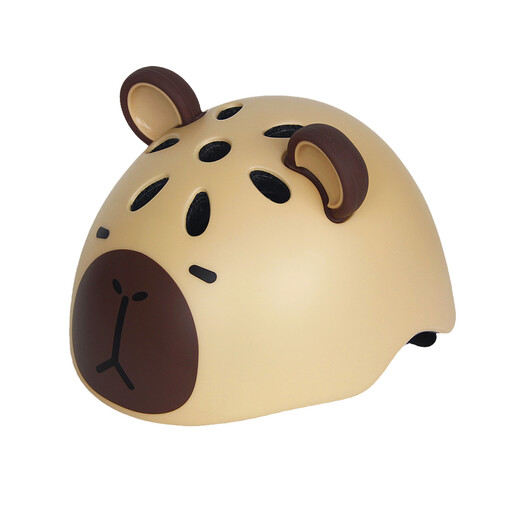
Why This Fits Their Persona: Getting a child to wear a helmet can be a battle. This model's fun capybara design and 3D ears make safety appealing, increasing the chances they'll wear it without a fuss for scooter or bike rides in the park.
It combines style with substance. It is fully EN 1078 certified and features an adjustable dial, avoiding both the unverified safety and poor-fit pitfalls.
Lightweight in-mould construction for comfort and 7 air vents to keep kids cool during active play.
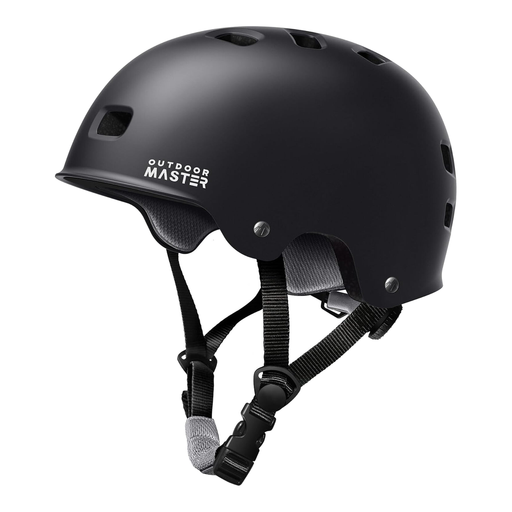
Why This Fits Their Persona: For the teen or adult who enjoys skateboarding, scootering and casual cycling. This is a true multi-sport helmet designed for versatility and durability, available in a wide range of sizes and colours.
It defeats the "one-size-fits-all" problem with a dual-adjustment system (dial and chin strap) and two sets of removable liners for a customised, secure fit.
Features a reinforced ABS shell and shock-absorbing EPS core for high durability. The smooth ventilation system provides comfort across different activities.
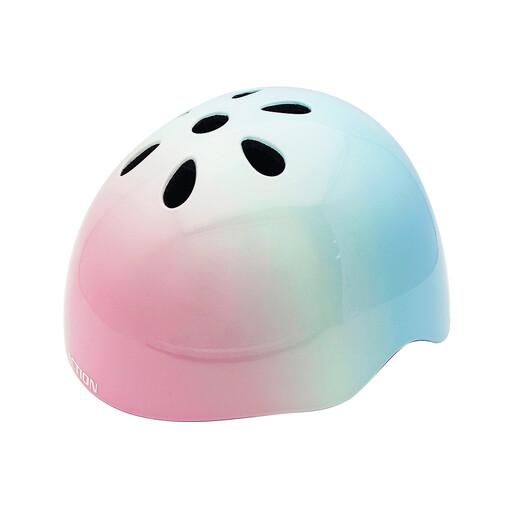
Why This Fits Their Persona: Ideal for someone who wants a sleek, modern look without sacrificing safety or comfort. The gradient pattern is stylish, while the technical features make it suitable for a daily commute or a weekend rollerblade helmet.
This helmet proves you don't have to choose style over substance. It uses superior in-mould construction, making it lighter and more comfortable than many bulkier, purely aesthetic options.
Excellent ventilation with 7 air vents and a user-friendly dial adjustor for a perfect fit. It is also fully EN 1078 certified for peace of mind.
We have compiled a complete, real-time list of products that fully satisfy these strict selection criteria and UK safety regulations.
Finding the correct size is crucial for safety. Use a soft measuring tape to measure the circumference of your head, positioning the tape about 2.5cm (1 inch) above your eyebrows and keeping it level all the way around. Compare this measurement in centimetres to the sizing chart provided by the helmet manufacturer. A correctly fitted helmet should be snug but not tight, and it should not move when you shake your head.
You must replace your helmet immediately after any significant impact, even if there is no visible damage. The internal EPS foam is designed to crush to absorb a single impact, and its protective capability is compromised after that. For general wear and tear, it is advisable to replace your helmet every 3-5 years, as materials can degrade over time due to exposure to sweat, UV light and temperature changes.
While many helmets are certified to the same EN 1078 standard for both activities, there are design differences. Skate-style helmets typically offer more coverage on the back and sides of the head, as falls in skating can be more unpredictable. If you participate in both sports, a certified multi-sport helmet is an excellent and practical choice that provides appropriate protection for both.