
24/7 Customer Support

Free returns

Same-day & Next-day Delivery

Quality Guaranteed

Unlock Your Welcome Offers: FREE Delivery | Up to 80% OFF | Free 30-day JoyPlus trial
Download the APP
A multi-sport skateboard helmet can be a practical choice for skateboarding, cycling, BMX, scootering and inline skating. However, similar-looking helmets can differ considerably in fit, ventilation, adjustability and intended use.
Parents and adult riders commonly encounter three shopping pitfalls:
Use a soft tape measure around the widest part of the head, approximately 2–3 cm above the eyebrows and above the ears. Keep the tape level and record the measurement in centimetres.
For example, the OutdoorMaster Oryx range includes options such as:
These ranges overlap, so the dial adjustment and the wearer’s head shape matter as well. A helmet with adjustable fit should sit level, feel secure without pressure points and remain stable when the wearer gently shakes their head.
The RoyalBaby Everest children’s model is listed for 52.05–55.88 cm, or 20.5–22 inches, and is intended for children aged 5–13. Always check the individual listing before ordering, particularly when buying for a growing child.
An ABS shell helmet uses acrylonitrile butadiene styrene as the outer layer. This forms a hard exterior that can help resist everyday knocks and abrasion. The inner layer is commonly EPS shock-absorbing foam, designed to absorb energy in certain impacts.
A hard shell and EPS combination is not a guarantee against injury. It is one part of a properly fitted helmet system, alongside the straps, buckle and retention dial. Do not remove padding or modify any component.
For UK use, check the product listing and packaging for the relevant CE or UKCA marking and applicable safety standard information. Requirements can differ by activity, and a helmet intended for standard cycling or skating may not be suitable for motorised sports, downhill racing or other high-risk activities. If the required marking or standard is unclear, contact the seller before purchase.
A ventilated sports helmet is more comfortable during longer rides or indoor-skate sessions, especially when worn during warmer weather. Ventilation should be considered alongside padding and fit rather than in isolation.
Removable washable liners are useful for children and adults who use a helmet frequently. Sweat and dust can build up inside a helmet, so look for liners that can be removed, hand-washed with mild soap and air-dried fully. Avoid returning damp padding to the helmet, and clean the shell with a soft, slightly damp cloth.
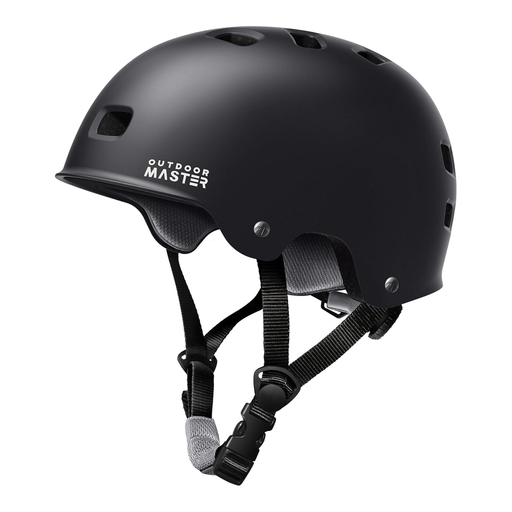
Why This Fits Their Persona: A straightforward option for someone starting skateboarding, cycling or scootering and wanting one helmet for several standard activities.
It combines a reinforced ABS shell, EPS core, ventilation, an adjustment dial and two removable liners rather than relying on appearance alone.
ABS and EPS construction; adjustable chin strap; removable washable liners; suitable for skating, cycling, BMX and scooters.
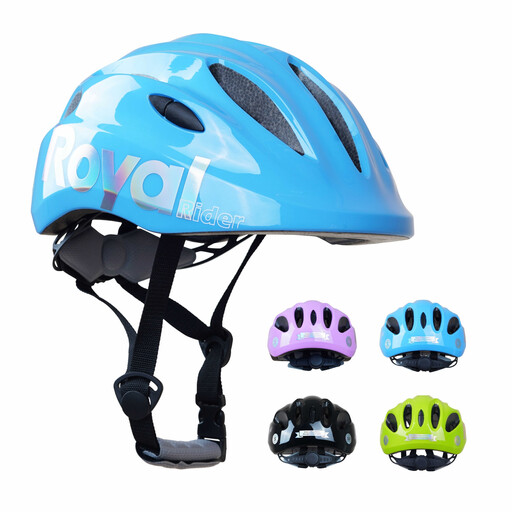
Why This Fits Their Persona: Suits parents seeking a child-focused design for regular school runs, balance-bike trips, cycling and weekend scooting.
The stated 52.05–55.88 cm range is clearer than relying on a general age label, while the washable liner addresses regular-use hygiene.
PC outer shell; EPS inner liner; 10 ventilation holes; rotatable fit dial; listed for children aged 5–13.
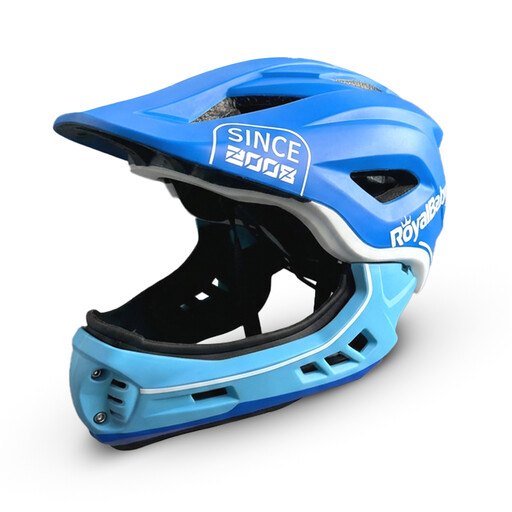
Why This Fits Their Persona: Designed for families considering a full-face children's helmet for BMX or dirt-bike use, while retaining a half-helmet mode for lower-intensity activities.
Its detachable chin bar makes the intended wearing mode clear; the product still requires correct fitting and should not be treated as protection for every extreme sport.
Convertible full-face or half-helmet design; 20–23 inch adjustment range; removable washable liner; multiple air vents.
We have compiled a complete, real-time list of products that fully satisfy these strict selection criteria and UK safety regulations.
Before every session:
A cycling helmet, inline skating helmet, BMX helmet, scooter helmet or rollerblading helmet may look similar, but always match the model to the activity and stated safety information. Replace a helmet after a significant crash, even where visible damage is absent. Store it away from direct sunlight and heat.
It may be suitable when the product is specifically listed for cycling and carries the relevant safety marking and standard information. Check the manufacturer’s intended uses before switching between skateboarding and cycling.
There is no universal replacement interval that applies to every helmet. Replace it immediately after a significant impact, and inspect it regularly for cracks, damaged straps, loose fittings, compressed foam or deteriorated liners. Normal wear, frequent use and exposure to heat can also indicate that replacement is sensible.
Routine care is limited: wipe the shell with a soft damp cloth, hand-wash removable liners with mild soap and allow them to air dry completely. Do not use harsh solvents, apply stickers that cover ventilation or safety information, or modify the padding.