
24/7 Customer Support

Free returns

Same-day & Next-day Delivery

Quality Guaranteed

Unlock Your Welcome Offers: FREE Delivery | Up to 80% OFF | Free 30-day JoyPlus trial
Download the APP
Whether you are building a portfolio, keeping a drawing journal, planning a craft project or looking for a screen-free activity for a child, choosing between sketchbooks and drawing pads is not always straightforward. Product titles often highlight attractive covers or sheet counts while leaving out the details that affect everyday use.
The main buying mistakes are usually easy to avoid:
Paper weight is measured in gsm, meaning grams per square metre. It gives a useful indication of thickness, although it does not describe texture or absorbency on its own.
Do not assume that heavyweight paper cannot buckle. Excessive moisture can still cause warping, so allow wet layers to dry fully and follow the product’s care instructions.
An A5 sketchbook measures approximately 148 x 210mm, making it easy to carry in most backpacks and tote bags. It works well for observational drawing, journaling, travel sketches and quick studies.
An A4 sketch pad measures approximately 210 x 297mm. It provides more room for fashion layouts, botanical studies, classroom projects and presentation planning. It is also easier to use when several reference images or design notes need to sit beside the drawing.
Landscape and portrait formats serve different habits. A landscape drawing journal can suit panoramic studies, while a portrait version may feel more natural for figure drawing, writing and vertical compositions.
Binding affects how comfortably you can work:
The following options match different creative routines rather than claiming one format suits everyone.
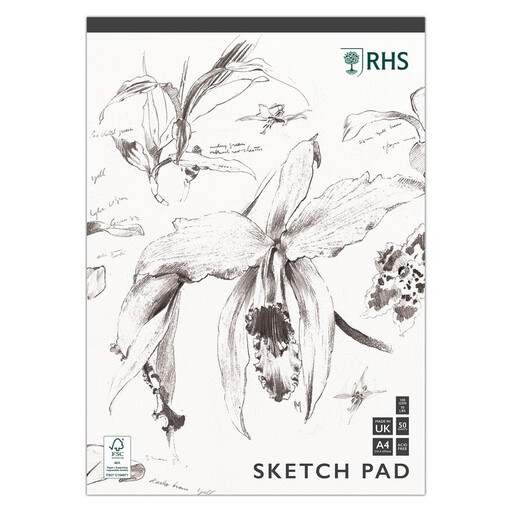
Why This Fits Their Persona: The A4 format gives beginners room to practise, while 50 sheets provide a straightforward option for school projects, pencil sketches and craft planning.
Its paper weight and sheet count are stated clearly, reducing the risk of buying a decorative notebook with insufficient pages.
A4 working area; 100gsm paper; 50 sheets for regular practice and creative activities.
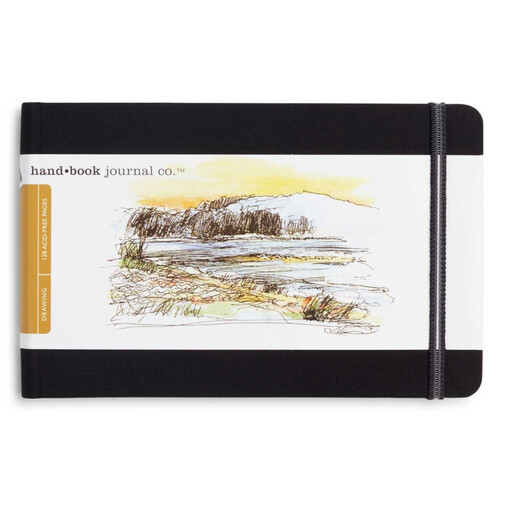
Why This Fits Their Persona: A cloth-bound design, rounded corners and an internal storage envelope suit artists who want a presentable journal for travel and daily observations.
The listing specifies 140gsm acid-free artist paper and 64 sheets, rather than relying only on cover styling.
Acid-free 140gsm paper; landscape format; internal clear envelope for small references or finished pieces.
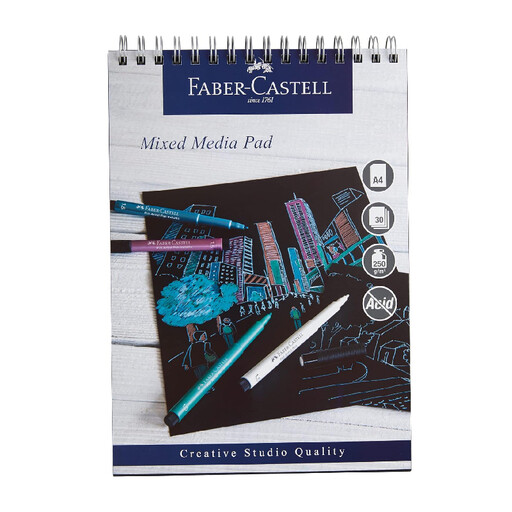
Why This Fits Their Persona: The A4 size and heavyweight black paper are suited to users combining paint, pastel, coloured pencil, ink and collage in larger compositions.
Its stated 250gsm weight and media list make the intended use clearer than a generic drawing pad description.
A4 format; 250gsm acid-free paper; wiro binding that lies flat; dark surface for light and metallic media.
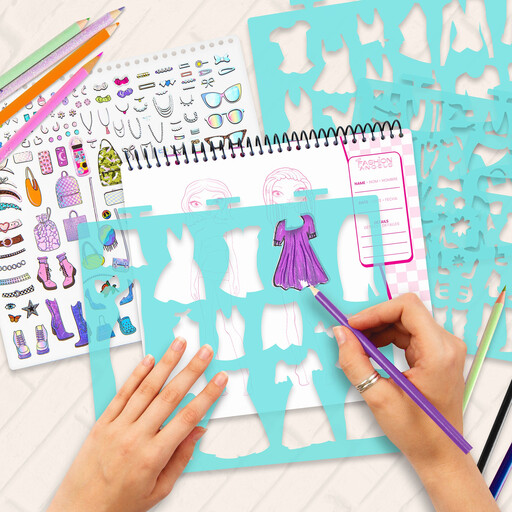
Why This Fits Their Persona: Designed for children aged six and over, this portable portfolio supports outfit design through pre-printed silhouettes, stencils, stickers and guidance instructions.
The intended age, included components and small-parts warning are specified, helping parents assess suitability before purchase.
40 sketch sheets; four removable stencil pages; more than 100 stickers; spiral-bound portable format.
We have compiled a complete, real-time list of products that fully satisfy these strict selection criteria and UK safety regulations.
Store paper products in a cool, dry place, away from direct sunlight and excessive humidity. Keep finished pages flat where possible, and place a clean sheet between artworks if charcoal, pastel or wet media may transfer.
For children, check age guidance and supervise products containing spiral wire, detachable stickers, stencils or sharp paper edges. When using markers or wet media on 100–160gsm paper, test a spare sheet first to check for bleed-through.
Choose an A5 sketchbook for portability, quick studies and regular journaling. Choose an A4 sketch pad when you need more room for detailed drawings, layouts, fashion designs or classroom work.
A 250gsm mixed media paper is generally more suitable for combining wet and dry techniques than 100gsm notebook paper. However, heavy saturation can still cause buckling, so apply moderate layers and allow them to dry between applications.
Acid-free paper can be a sensible choice for artwork intended to be stored, displayed or given as a gift. It is designed to reduce the risk of paper deterioration associated with acidic materials, although proper storage remains important.