
24/7 Customer Support

Free returns

Same-day & Next-day Delivery

Quality Guaranteed

Unlock Your Welcome Offers: FREE Delivery | Up to 80% OFF | Free 30-day JoyPlus trial
Download the APP
Whether you are filling an artist drawing journal, planning fashion illustrations or making handmade cards, the right paper can make creative work more enjoyable and reduce wasted materials. Yet product descriptions often focus on attractive covers, themed artwork or page counts while leaving out the details that affect everyday use.
Before buying sketchbooks and drawing paper pads, look beyond appearance and check paper weight, format, binding and compatibility with your preferred media. A small amount of comparison can help UK artists, students, crafters and families choose a product that suits their actual projects.
Paper weight is shown in GSM, meaning grams per square metre. A higher number usually indicates a heavier sheet, but it does not automatically mean the paper is suitable for watercolour or heavily layered media.
A 100gsm A4 sketch pad may be practical for pencil studies, writing and light sketching. By contrast, 180gsm paper offers a more substantial surface for craft projects, coloured pencil, ink and some light wet-media applications. If you plan to use generous washes, acrylic or repeated erasing, look for a clearly described mixed media sketchbook or watercolour sketchbook rather than relying on GSM alone.
Botanical designs and scrapbook paper can be appealing, but the sheet size determines how useful the pad will be. A 6" x 6" pad is convenient for greeting cards, small scrapbook layouts and gift tags, while a 12" x 12" pad gives more room for photo albums and larger craft compositions.
Check whether the paper is sold as loose sheets or bound into a book. Loose sheets are easier to cut, layer and rearrange. A bound pad is more convenient for drawing in sequence and storing work together.
A large pad may provide more working space but can be awkward on public transport, in a university bag or at a café. A portable sketchbook should have a manageable footprint and a binding that stays open comfortably.
Spiral binding is useful when pages need to lie flat or be removed. Hardbound books protect finished work and offer a more traditional journal format. Also check the page orientation: portrait and landscape formats support different drawing styles.
Match the paper to the medium:
Surface texture also matters. Smooth paper supports clean technical lines and fashion drawing. A more textured surface can add character to pencil, pastel and botanical studies. If permanence matters, look for acid-free drawing paper, which is designed to reduce deterioration associated with acidic materials. Always check the individual product specification rather than assuming every sketchbook is acid-free.
An A5 sketchbook is easy to carry and works well for daily observations, travel sketches and quick studies. A portable sketchbook in a smaller format can fit into a coat pocket or compact bag, although it limits the scale of your drawings.
An A4 sketch pad offers a practical balance for student work, fashion illustration, life drawing and larger planning sketches. Square 6" x 6" and 12" x 12" paper pads are particularly useful for cards, scrapbooking and decorative layouts.
A larger page count may provide better value for regular practice, but only if the paper is suitable for your medium. Covers, envelopes and removable pages can also affect how well your work is stored.
For children and beginners, pre-printed guides, stencils and stickers can reduce the pressure of starting with a blank page. For experienced artists, plain pages and durable binding may be more useful than additional accessories.
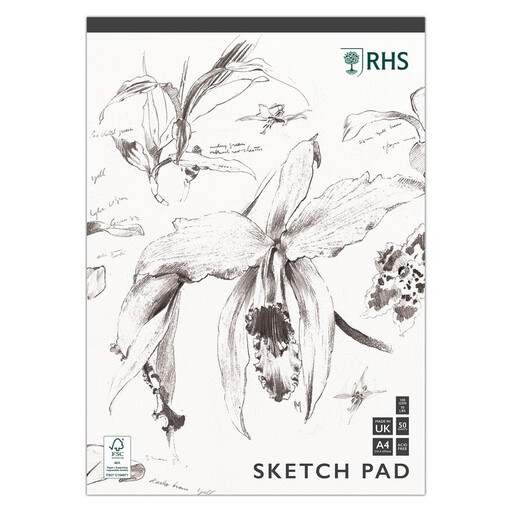
Why This Fits Their Persona: The A4 format gives beginners and students a familiar working area for everyday pencil sketches, while 50 sheets support regular practice without committing to a specialist pad.
Its stated 100gsm weight sets realistic expectations, helping buyers avoid treating lightweight sketch paper as heavy mixed-media stock.
A4 size; 50 sheets; suitable for light sketching and practice work.
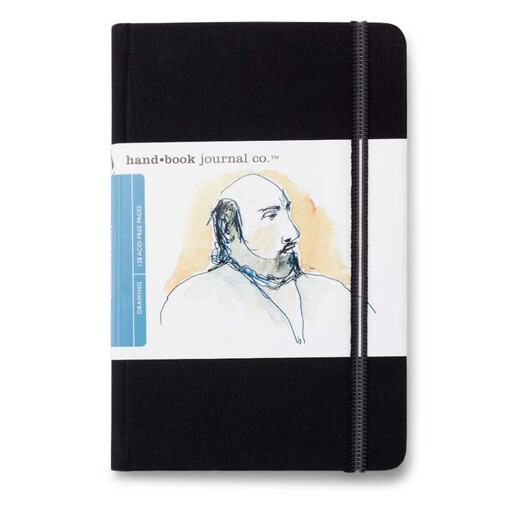
Why This Fits Their Persona: Artists who want a compact journal with a considered finish may appreciate the cloth binding, rounded corners and internal clear storage envelope.
The specification clearly states 140gsm acid-free artist-grade paper and identifies compatible media instead of relying only on appearance.
64 sheets; acid-free 140gsm paper; suitable for pen and ink, pencils and markers.
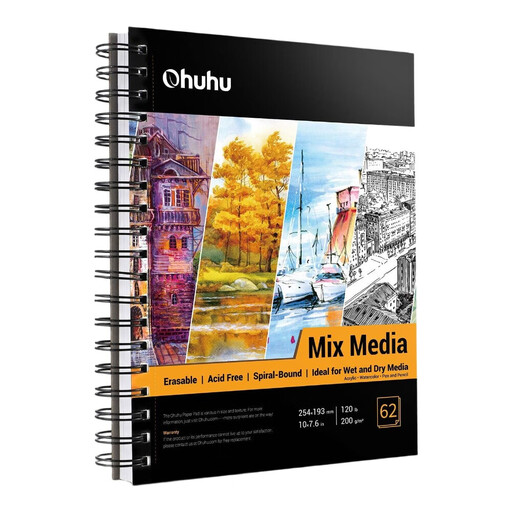
Why This Fits Their Persona: Users who move between watercolour, acrylic, pencils and pastels need a larger, more adaptable book for varied creative sessions.
Its listed 200gsm acid-free paper and mixed-media description provide more useful information than a generic “artist paper” label.
200gsm paper; 124 pages; spiral-bound portrait format; listed for wet and dry media.
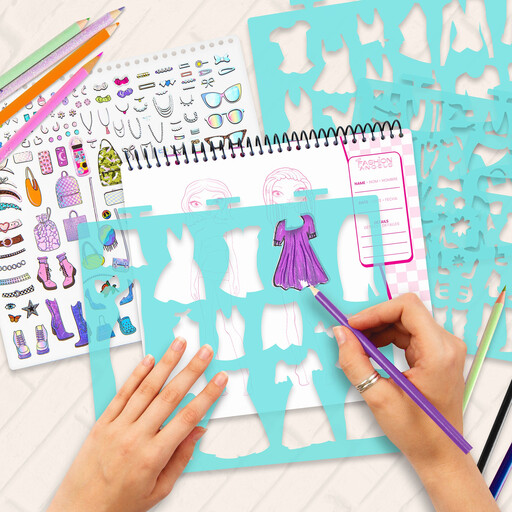
Why This Fits Their Persona: Children aged six and over who enjoy clothing design can start with pre-printed model silhouettes, stencils and stickers rather than facing an entirely blank page.
The contents are specified clearly: 40 sketch sheets, four removable stencils and more than 100 assorted stickers, so buyers know what is included.
Spiral-bound portable format; guidance instructions; stated age suitability of six years and over.
We have compiled a complete, real-time list of products that fully satisfy these strict selection criteria and UK safety regulations.
180gsm paper can handle some light watercolour use, but results depend on the paper’s construction, sizing and binding. For frequent washes or wet-on-wet techniques, choose a product specifically described as a watercolour sketchbook or mixed-media paper. Test a spare sheet first to check cockling and bleed-through.
An A5 sketchbook is a practical everyday choice because it offers enough space for studies while remaining easy to carry. Choose an A4 sketch pad for larger compositions, coursework or fashion illustration. Small square pads are more suitable for cards, scrapbook paper projects and compact layouts.
Store it flat or upright in a dry indoor space, away from damp areas such as bathrooms and unheated sheds. Use media appropriate to the stated paper weight, allow wet work to dry before closing the book and avoid overloading the binding with glued embellishments. For archival projects, select clearly labelled acid-free drawing paper and keep finished pages away from prolonged direct sunlight.