
24/7 Customer Support

Free returns

Same-day & Next-day Delivery

Quality Guaranteed

Unlock Your Welcome Offers: FREE Delivery | Up to 80% OFF | Free 30-day JoyPlus trial
Download the APP
As the ski season approaches, the temptation to buy new kit is strong. However, the market is flooded with ski gear that promises high performance but often fails to deliver, leaving you cold, wet and frustrated on the slopes. Many products are designed with marketing appeal rather than practical function, leading to wasted money on gear that doesn't last a single season.
As your Joybuy Product Recommendation Officer, my role is to help you see past the hype. This guide focuses on the common traps UK skiers fall into and highlights the essential features to look for. We will cover the non-negotiable specifications that separate reliable equipment from disappointing purchases.
To ensure your ski gear performs when you need it most, focus on these core parameters. They are the difference between a great day on the mountain and a trip cut short by failing equipment.
Your vision is paramount. When choosing goggles, look beyond the frame colour and focus on the lens technology.
Keeping your hands warm and dry is a non-negotiable. The materials and construction are what count.
A quality ski boot bag is more than just a carrier; it is an organisational tool that protects your expensive equipment. A good bag should have separate, ventilated compartments for your boots to allow them to dry and prevent moisture from damaging other items. Look for additional dedicated pockets for your helmet, goggles and gloves, as well as a waterproof section for wet gear. This keeps everything organised, protected and easy to transport.
Here are a few items that align with these practical principles, matched to different types of skiers.
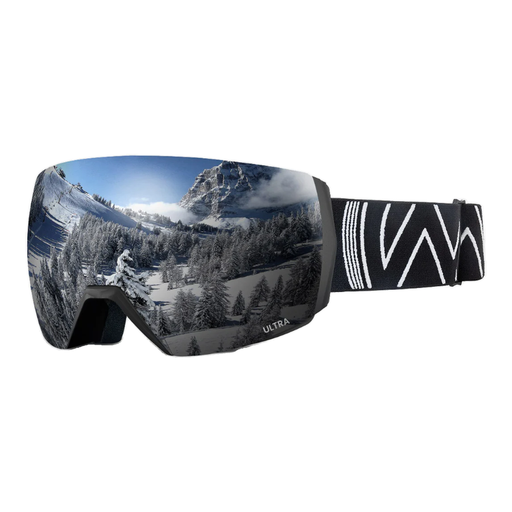
Why This Fits Their Persona: This skier is on the mountain from the first lift to the last, in bright sun and flat light. They need gear that adapts instantly. This bundle includes a second lens and a magnetic quick-change system, perfect for handling the UK's unpredictable mountain weather.
It directly counters the fogging issue with triple-layer foam and advanced ventilation. The magnetic interchangeable lens system means you are never caught with the wrong VLT for the conditions.
Includes a spare lens for low-light conditions and a protective case. The OTG design also makes it suitable for glasses wearers.
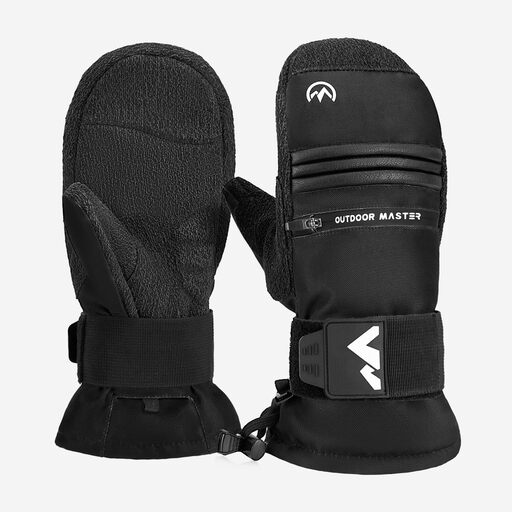
Why This Fits Their Persona: This user needs gear that can withstand scrapes, falls and constant contact with sharp ski edges. They value longevity and don't want to replace their gloves every season. The Kevlar reinforcement is a key feature for them.
It avoids the "waterproof" myth by using a proper TPU waterproof inner membrane, not just a coating. The 3M Thinsulate insulation ensures genuine warmth, not just bulk.
The Kevlar-reinforced palm provides exceptional abrasion resistance. It also features touchscreen compatibility and zip pockets for small items like lift passes.
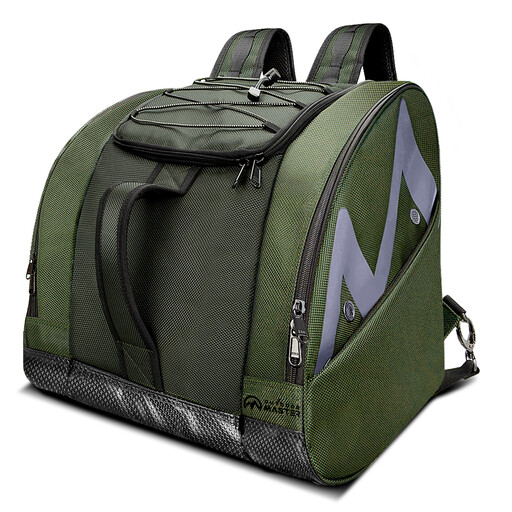
Why This Fits Their Persona: This person travels for ski holidays and needs an efficient way to transport their boots, helmet and accessories without everything getting mixed up or damaged. Organisation and protection are their top priorities.
It solves the "one-bag-chaos" problem with a purpose-built design. Separate, ventilated compartments for boots and a wet/dry pocket prevent moisture from ruining other gear.
The 50L capacity is large enough for boots, a helmet, goggles and clothing. It features both backpack straps and carry handles for versatile transport.
We have compiled a complete, real-time list of products that fully satisfy these strict selection criteria and UK safety regulations.
The most effective way to prevent fogging is to choose goggles with a dual-layer lens and good ventilation. Once on the slopes, avoid putting your goggles on your forehead, as heat and sweat from your head will cause condensation. If snow gets inside, shake it out rather than wiping the inner lens, which can damage the delicate anti-fog coating.
Generally, mittens are warmer. By keeping your fingers together in one compartment, they share body heat more effectively than when separated in gloves. However, gloves offer better dexterity for adjusting boots, zips or holding poles. The choice often comes down to personal preference and how much you feel the cold.
VLT stands for Visible Light Transmittance. It is a percentage that tells you how much light a lens lets through to your eyes. A low VLT (e.g., 10%) is dark and ideal for bright, sunny days. A high VLT (e.g., 70%) is lighter and better for overcast, snowy or low-light conditions. This is why having interchangeable lens ski goggles is so useful for all-day skiing.