
24/7 Customer Support

Free returns

Same-day & Next-day Delivery

Quality Guaranteed

Unlock Your Welcome Offers: FREE Delivery | Up to 80% OFF | Free 30-day JoyPlus trial
Download the APP
By Joybuy Product Recommendation Officer
A skin balm can be a useful addition to a UK skincare routine, but “balm” is a broad product category. A cleansing balm, dry skin balm, lip balm and baby barrier cream may all have a rich texture, yet they are designed for very different jobs.
The main risk is buying based on texture or attractive claims alone. A product that feels comfortable on lips may be unsuitable for the eye area, while a fragranced face balm may not suit reactive skin. Before choosing, match the formula, size and intended use to your actual routine.
A cleansing balm or make-up removing balm is designed to dissolve oil-based products such as foundation, sunscreen and long-wear eye make-up. It is not necessarily a replacement for a water-based cleanser. If you want to remove daily make-up, look for a balm that melts into an oil and emulsifies or rinses away with water.
A face balm, by contrast, is usually left on the skin to provide comfort and reduce moisture loss. Using the wrong type can leave skin feeling greasy or insufficiently cleansed.
“Natural”, “nourishing” and “rich” do not automatically mean fragrance-free or suitable for everyone. Check the full ingredient list for parfum, essential oils, lanolin, beeswax or other ingredients you may wish to avoid.
A fragrance-free balm can be a practical choice for sensitive skin, but individual reactions vary. Patch-test a small area first and discontinue use if irritation, redness, itching or discomfort occurs.
A lip balm, eye balm and nappy care ointment should not be treated as interchangeable. Baby products require particular attention to age suitability, warnings and application instructions. Products for the eye contour should be applied around—not directly into—the eyes. For active, severe or persistent skin problems, seek appropriate medical advice rather than relying on cosmetic skincare.
For make-up removal, select a balm that changes texture when warmed between dry fingers. A sorbet-to-oil or balm-to-milk formula can help lift make-up without requiring vigorous rubbing. Follow the label instructions: many cleansing balms work on dry skin and are rinsed with warm water, sometimes followed by a second cleanser.
For leave-on use, compare how the balm feels after application. A dense petrolatum-based ointment may provide a more occlusive layer, while a cream-balm may spread more easily across larger areas such as arms, legs and hands.
A 3–8 g lip balm is convenient for pockets and handbags, while a 30–40 g ointment is practical for a changing bag. Larger 75–250 ml formats may offer better value for regular body or hand use, but tubs and tubes have different hygiene considerations.
Keep balms tightly closed and away from direct sunlight and heat. Melting lip formulas can soften in a warm car or near a radiator. Always check the packaging for the latest ingredients, batch details, expiry information and storage guidance.
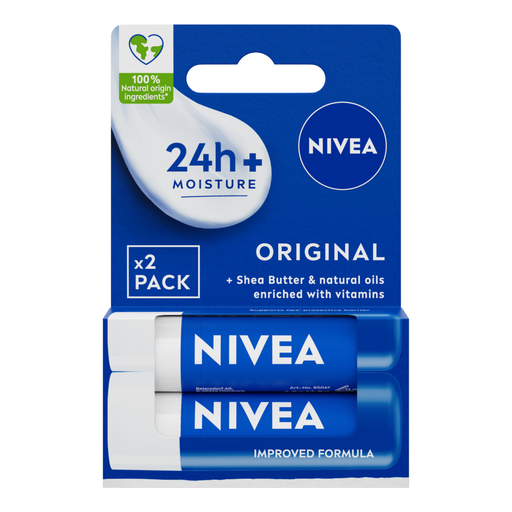
Why This Fits Their Persona: Two 4.8 g sticks provide a straightforward option for keeping one lip balm at home and another in a handbag, coat pocket or desk drawer.
The twin-pack format makes the quantity clear, helping shoppers compare practical value rather than choosing by packaging claims alone.
Contains shea butter and natural oils; compact stick format allows quick reapplication.
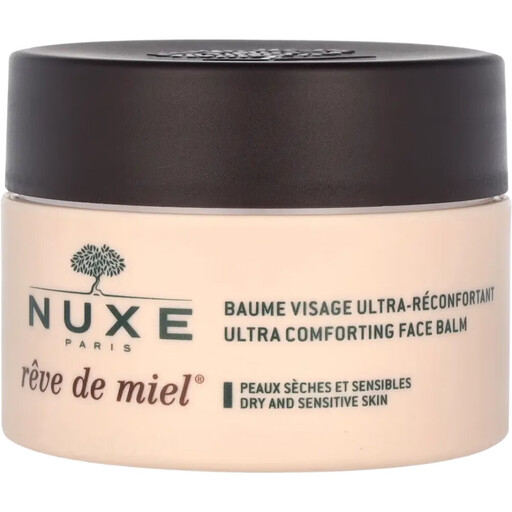
Why This Fits Their Persona: Suits shoppers seeking a richer face balm for dry-feeling skin during colder, windier UK weather.
Its ingredient list is available for checking, including fragrance and propolis, so shoppers can make an informed choice rather than assuming all rich balms are fragrance-free.
50 ml face-and-neck format; contains shea butter, botanical oils, honey and propolis.
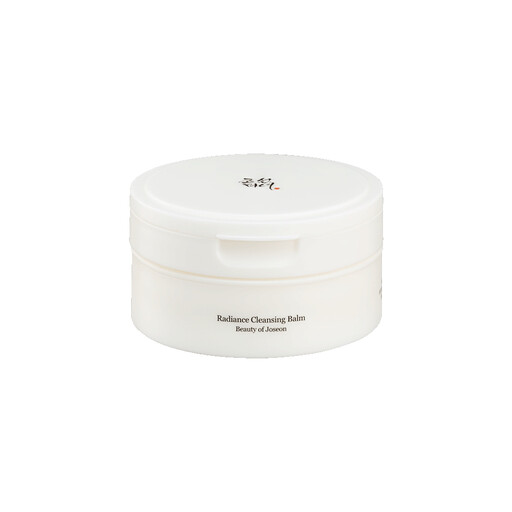
Why This Fits Their Persona: A practical match for regular make-up and sunscreen users who want one first-step cleanser for evening routines.
The listed directions specify dry hands and a dry face, followed by massage as the solid texture melts into oil, making the usage method clear.
100 ml size; sorbet-to-oil texture; includes rice bran water, oat and grain extracts.
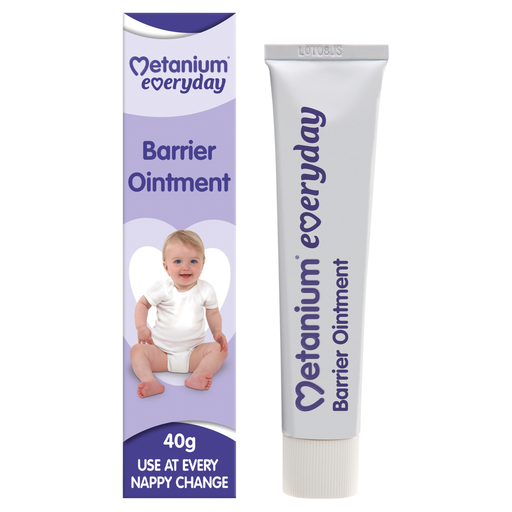
Why This Fits Their Persona: A small tube designed for daily nappy-area protection from birth onwards and easy storage in a changing bag.
It is clearly described as a preventative barrier ointment rather than a treatment for active nappy rash, helping avoid an unsuitable purchase.
Fragrance-free, colour-free and lanolin-free; formulated with petrolatum, dimethicone and titanium dioxide.
We have compiled a complete, real-time list of products that fully satisfy these strict selection criteria and UK safety regulations.
Follow the product label. Lip balm, hand balm and body balm can generally be reapplied when the area feels dry, particularly after washing, eating or exposure to cold air. Nappy ointment directions may recommend use at every change. Use only the amount needed to create the intended layer.
There is no single lifespan for every skin balm. Check the packaging for an expiry date or open-jar symbol, and follow storage instructions. Avoid using a product if its smell, colour or texture changes noticeably, or if it is past the stated date.
No. Fragrance-free removes one potential source of irritation, but other ingredients may still cause a reaction. Read the complete ingredient list, patch-test where appropriate and avoid applying products to broken or irritated skin unless specifically directed by a healthcare professional.