
24/7 Customer Support

Free returns

Same-day & Next-day Delivery

Quality Guaranteed

Unlock Your Welcome Offers: FREE Delivery | Up to 80% OFF | Free 30-day JoyPlus trial
Download the APP
Dryness, tightness, flaking and irritation can make choosing a skin barrier cream surprisingly difficult. Packaging may promise intense hydration, instant soothing or all-day protection, yet the formula may not suit your face, body or baby’s nappy area.
The right choice depends less on impressive wording and more on the ingredients, intended use and application instructions. This guide explains the main buying traps and compares practical options available to UK shoppers.
A light lotion can add water and emollients to the skin, while an ointment usually creates a more substantial surface layer to reduce moisture loss. Neither texture is automatically suitable for every situation.
A fragrance-free moisturiser may be more comfortable for daily facial use, whereas a thicker barrier ointment may be more useful for areas exposed to friction or frequent washing. Check whether the product is designed for the face, body, nappy area or general dry patches before buying.
A high concentration of one ingredient does not guarantee that a cream will suit your skin. For example, a panthenol cream may feel soothing and hydrating, but the overall formula, texture and your individual sensitivity also matter.
Look at the complete ingredient list rather than focusing only on claims such as “barrier repair”, “deep hydration” or “sensitive skin support”. Fragrance, essential oils, preservatives and potential allergens can be important considerations, particularly for reactive skin.
A preventative product and a treatment product are not interchangeable. Some baby barrier cream formulas are intended for everyday protection during nappy changes, while their packaging may specifically advise against using them on active or severe nappy rash.
For broken, bleeding, infected-looking or persistent skin problems, follow the product warnings and seek advice from a pharmacist, GP or other qualified healthcare professional.
Common ingredients in a moisturising barrier cream include:
The best combination depends on where you intend to use the product. Facial creams may prioritise a lighter finish, while a nappy rash barrier cream usually needs reliable coverage and easy application.
If you are shopping for sensitive skin cream or irritated skin cream, check whether fragrance or essential oils appear in the ingredients. “Natural” fragrance components can still be unsuitable for some individuals.
Look for clearly stated features such as fragrance-free, unscented or dye-free, but always check the current packaging. Product formulations can change, and ingredients listed online may not always reflect the latest batch.
A 30ml tube may be convenient for a handbag or changing bag, while a 150ml emollient cream may be more practical for regular body application. Consider whether the product spreads easily, leaves a greasy film and works with your routine.
For daytime facial use, also distinguish between a barrier cream and SPF 50 barrier protection. Sunscreen helps reduce UV exposure but should not automatically be treated as a replacement for a dedicated moisturiser or ointment.
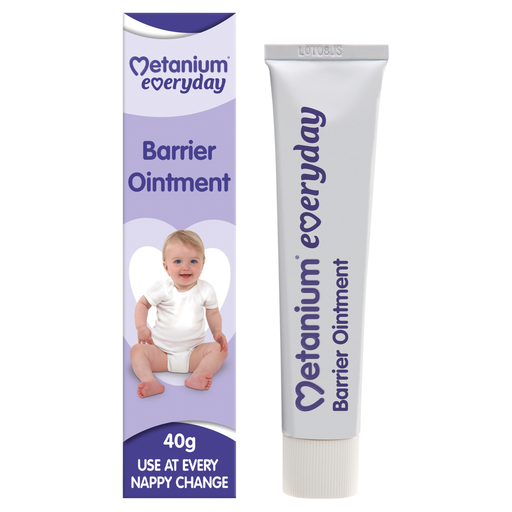
Why This Fits Their Persona: A compact option for parents and carers wanting an everyday protective ointment for use from birth onwards during nappy changes.
It is described for preventative daily use rather than as a treatment for active nappy rash, making its intended purpose clear.
Fragrance-free, colour-free and lanolin-free; the 40g tube is suitable for changing bags.
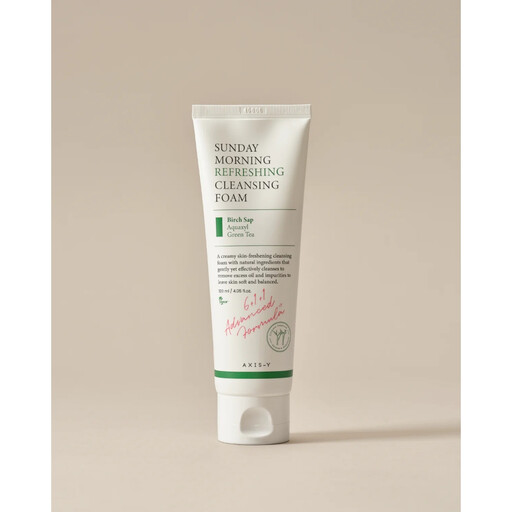
Why This Fits Their Persona: Suits adults seeking a dedicated facial cream for dry, rough or compromised-feeling skin, particularly after seasonal weather changes or over-cleansing.
The formula lists 10% panthenol alongside squalane, glycerin and ceramide NP, rather than relying on a single headline ingredient.
Vegan and cruelty-free according to the product information; designed for twice-daily facial use with a protective finish.
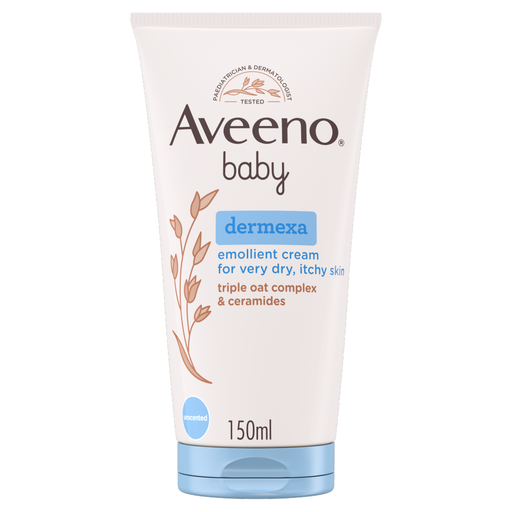
Why This Fits Their Persona: A larger-format choice for parents needing regular full-body moisturising for babies from birth onwards.
Its unscented format avoids added fragrance, while the product is clearly positioned as an emollient cream rather than a nappy-area ointment.
150ml size; includes ceramide, panthenol and triple oat ingredients, with instructions for at least twice-daily application.
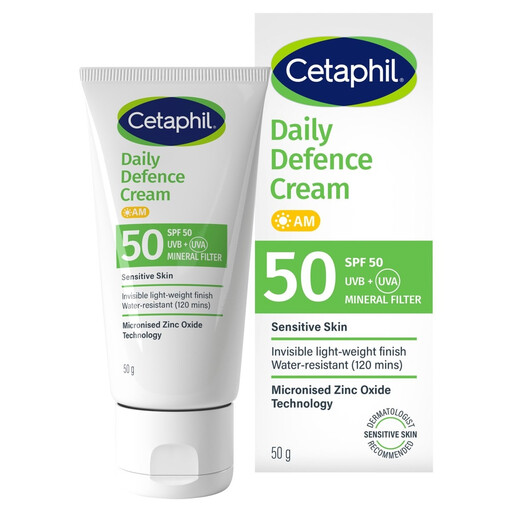
Why This Fits Their Persona: Suitable for adults wanting high daily facial UV protection in a fragrance-free mineral sunscreen format.
It states SPF 50, water resistance of up to 120 minutes and reapplication guidance, so shoppers can assess usage rather than assume one application lasts all day.
Micronised zinc oxide; no added fragrance and a 50g face-and-neck format.
We have compiled a complete, real-time list of products that fully satisfy these strict selection criteria and UK safety regulations.
Apply cream to clean, dry skin and follow the quantity and frequency stated on the label. Patch testing is sensible when trying a new formula, particularly if your skin is reactive or you have known allergies.
Do not apply a cosmetic product to broken, bleeding or severely inflamed skin unless a healthcare professional advises you to do so. Avoid the eyes and mucous membranes, wash hands before baby-care applications and discontinue use if redness, itching, swelling or persistent stinging develops.
Many barrier creams and emollient products are designed for daily use, but the correct frequency depends on the label and intended area. A lighter facial cream may be applied morning and evening, while a baby barrier ointment may be used at each nappy change. Always check whether the product is preventative or intended for another purpose.
A ceramide cream may be suitable for people seeking support for dry or sensitive-feeling skin, but ceramides alone do not determine tolerance. Review the full ingredient list, especially fragrance, essential oils and preservatives, and patch test before applying widely.
No. An SPF 50 product is primarily designed to provide UV protection. It may also contain moisturising or barrier-support ingredients, but it does not necessarily provide the same occlusive or emollient care as a dedicated barrier repair cream. For daytime routines, use products according to their instructions and reapply sunscreen as directed.