
24/7 全天候客户支持

免费退货

当日/次日达

品质保障

开启新人专享福利: 全场免邮 | 低至 2 折 | 免费试用 30 天 JoyPlus 会员
下载 Joybuy
A skin barrier repair cream can be useful when skin feels tight, rough, flaky or uncomfortable after cold weather, frequent washing, shaving or using strong skincare products. However, the product that suits a dry face may not be appropriate for a baby’s nappy area, itchy skin or cracked hands.
Marketing language can also make comparison difficult. A high price does not automatically mean a more suitable formula, while a long ingredient list is not necessarily a sign of better performance. Use the checks below to narrow your choice and avoid common buying mistakes.
A cream can make skin feel smooth immediately because of silicones, oils or occlusive ingredients. This user-perceivable effect can be helpful, but it does not tell you whether the formula suits your routine or skin concern over time.
For barrier support, look for a practical combination of:
“Natural”, “botanical” or “soothing” wording does not guarantee that a product will suit reactive skin. Fragrance and fragrance allergens can be unsuitable for some users, particularly when the skin is already uncomfortable.
Check the ingredient list for parfum, essential oils and listed fragrance allergens. If you are seeking a fragrance-free moisturiser, choose a product that states this clearly rather than assuming that “gentle” means unscented. Patch testing on a small area is a sensible precaution, especially before applying a new cream to the face.
A face cream, intensive body moisturiser, hand cream, nappy barrier cream and medicinal emollient have different intended uses. A rich balm may feel too heavy under make-up, while a lightweight lotion may not provide enough protection for very dry hands or exposed elbows.
Do not use cosmetic products on broken or inflamed skin unless the packaging says they are suitable. For persistent eczema, dermatitis, widespread irritation or suspected infection, seek advice from a pharmacist or GP rather than relying solely on shopping comparisons.
For a cream for dry sensitive skin, prioritise a short, clearly presented ingredient list and avoid unnecessary fragrance if you are prone to sensitivity. Ceramide products can be useful for shoppers looking for a ceramide moisturiser, while urea-based formulas may be selected for rough, dry skin. Urea can sting on broken or inflamed areas, so follow the label carefully.
For facial use, consider texture as well as ingredients. A buttery cream containing shea butter and squalane may work well for dry cheeks, but combination skin may need a thinner layer around the T-zone.
Choose between:
A pump bottle can be convenient for regular family use, while a tube is easier to carry in a changing bag.
Read the packaging before use, including age guidance, active ingredients, storage instructions and warnings. Some emollient products containing paraffin or similar ingredients can increase the flammability of fabrics exposed to the product. Keep clothing, bedding and dressings away from naked flames and smoking materials, and wash fabrics regularly according to the product guidance.
Apply creams to clean, dry skin using the recommended amount. More product is not always better: a thin, even layer may be sufficient for a barrier ointment, while very dry body skin may need more frequent application.
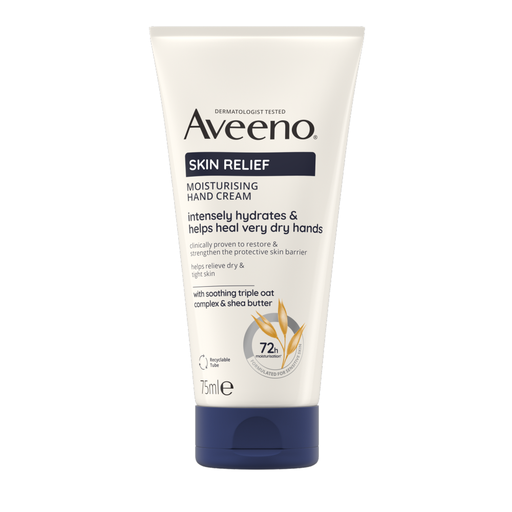
Why This Fits Their Persona: A compact 75ml format suits shoppers who want a straightforward hand moisturiser for work, commuting or keeping beside the kitchen sink.
It is listed as unscented, non-greasy and fast-absorbing, making it less likely to leave a noticeable residue after application.
Contains glycerin, petrolatum, oat ingredients and shea butter; suitable for frequent hand application.
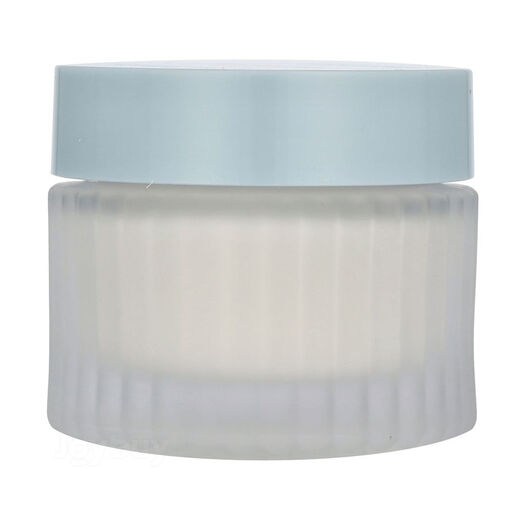
Why This Fits Their Persona: Suitable for shoppers seeking a richer facial moisturiser that can be used morning and evening, including beneath make-up.
Its ingredient list identifies five ceramides, cholesterol and several humectants, allowing shoppers to assess the formula rather than rely on vague barrier language.
Includes ceramides, cholesterol, hyaluronic acid, shea butter and squalane; the product is listed as vegan and cruelty-free.
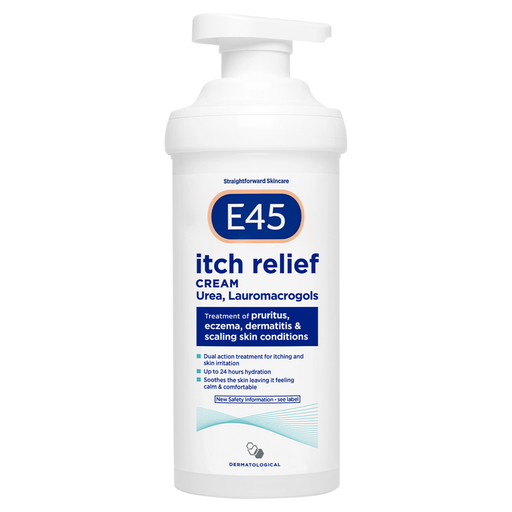
Why This Fits Their Persona: The 500g pump format is practical for households applying an emollient regularly to larger areas of dry, itchy skin.
It clearly identifies 5% urea and 3% lauromacrogols, rather than presenting an unspecified “calming” formula.
Fragrance-free, non-greasy and supplied in a pump bottle; follow the label and seek medical advice if symptoms persist or worsen.
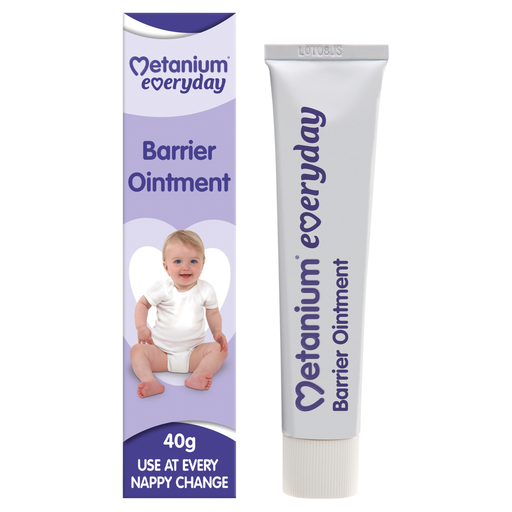
Why This Fits Their Persona: A small tube is easy to store in a changing bag and is designed for daily protective use from birth onwards.
It is clearly described as a preventative barrier ointment, not a treatment for active nappy rash.
Fragrance-free, colour-free and lanolin-free; apply a pea-sized amount to clean, dry skin as directed.
We have compiled a complete, real-time list of products that fully satisfy these strict selection criteria and UK safety regulations.
Many moisturisers and protective creams are designed for daily use, but the correct frequency depends on the product and the area treated. Follow the packaging instructions, apply to clean skin and stop if burning, rash or swelling develops. Medicinal products should be used according to their leaflet or advice from a pharmacist.
A 50ml facial cream may last several weeks or longer depending on whether it is used once or twice daily. A 500g emollient is more suitable for frequent household use. Storage, expiry information and the amount applied affect usable lifespan, so check the packaging rather than relying on a fixed number of months.
Skin creams should not be used as hair treatments. For split ends or dry, frizzy lengths, choose a dedicated split end repair treatment or damaged hair repair serum, such as a leave-in formula designed for mid-lengths and ends. Always follow its application instructions and avoid contact with the eyes.