
24/7 全天候客户支持

免费退货

当日/次日达

品质保障

开启新人专享福利: 全场免邮 | 低至 2 折 | 免费试用 30 天 JoyPlus 会员
下载 Joybuy
Dryness, tightness, flaking and visible redness can make even a simple skincare routine uncomfortable. For UK residents dealing with cold weather, indoor heating, hard water or frequent cleansing, choosing suitable skin barrier repair products is often more useful than adding several strong actives at once.
However, “barrier repair” is now used across creams, ampoules and masks with very different formulas. A high price or a long ingredient list does not automatically make a product suitable for sensitive skin. The practical approach is to check the formula, texture, intended use and warnings before buying.
A thick skin barrier cream may feel comforting immediately, but surface richness alone does not explain how well it supports a routine. Look for a combination of humectants, emollients and occlusive ingredients:
A lighter barrier repair moisturiser may suit daytime use, while a richer cream can be more comfortable at night or during colder months.
Honey, propolis, essential oils and botanical extracts can be appealing in soothing skincare, but natural origin does not guarantee compatibility with every complexion. Fragrance components and essential oils may be unsuitable for people who react easily.
Always read the full ingredient list, particularly if you are looking for sensitive skin skincare or redness relief skincare. A patch test is sensible before applying a new product across the face. Stop use if redness, itching, swelling or discomfort develops.
A compromised-feeling skin barrier can become more uncomfortable when several exfoliating acids, retinoids, scrubs or concentrated treatments are introduced together. A simpler routine—gentle cleansing, one hydrating treatment and a suitable moisturiser—makes it easier to identify what your skin tolerates.
“Repair” in cosmetic product descriptions should be understood as support for moisture retention and the appearance or feel of the skin, not as a medical treatment for a diagnosed condition.
Ceramides are lipid ingredients naturally associated with the skin’s protective surface. A ceramide cream may be worth considering when dryness and tightness are the main concerns. Check whether ceramide appears in the ingredient list, rather than relying only on the front-label wording.
A formula containing ceramides alongside glycerin, fatty acids, cholesterol-like lipids, lecithin or plant oils may provide a more balanced moisturising profile. The product still needs to suit your personal tolerance and preferred texture.
For sensitive or dehydrated skin, assess whether the product contains fragrance, essential oils, alcohol or a large number of botanical extracts. These ingredients are not automatically unsuitable, but a simpler, alcohol-free formula may be easier to introduce when your skin feels reactive.
For example, the SKINFOOD cream below contains propolis, honey, royal jelly, ceramide NP, panthenol and plant oils, but also includes several essential oils. This makes checking the ingredients particularly important for fragrance-sensitive users.
A serum or ampoule normally sits beneath a moisturiser, while a cream is usually the final leave-on step before daytime sun protection. Masks are occasional products rather than replacements for daily moisturising.
Consider the UK climate and your routine:
The following selections are matched to different routines and preferences. Product suitability can vary, so review the current listing, ingredient information and usage warnings before purchase.
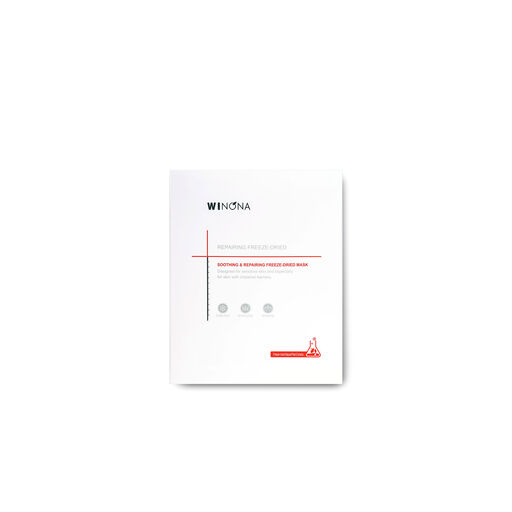
Why This Fits Their Persona: The boxed set format offers a straightforward way to add an occasional mask step without building a large skincare collection. Check the pack contents and current price before ordering.
It is positioned as an occasional mask rather than a daily cream, helping shoppers avoid treating one format as a complete routine.
The set includes a freeze-dried mask and solvent solution in a boxed format for separate preparation before use.
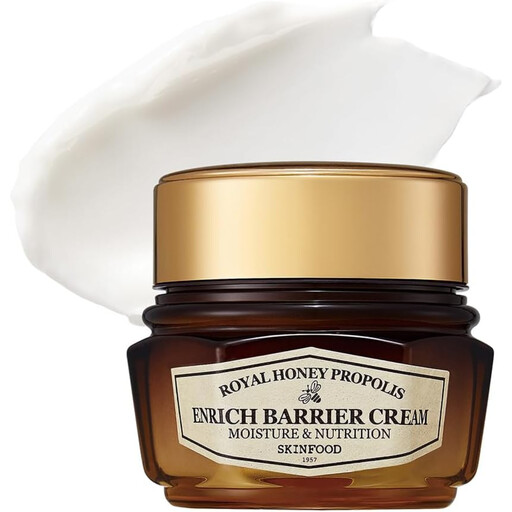
Why This Fits Their Persona: This is a richer cream option for adults whose dry skin feels tight after cleansing or during colder UK weather and indoor heating.
Its listed formula can be assessed in detail, including ceramide NP, glycerin, panthenol, shea butter and multiple lipids. Users sensitive to fragrance should also note the essential oils listed.
63ml size; contains ceramide NP, panthenol, honey extract, propolis extract and royal jelly extract; described as a rich, non-greasy cream texture.
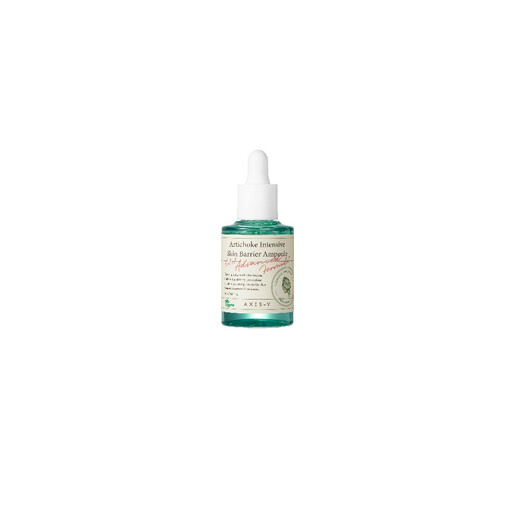
Why This Fits Their Persona: Its lightweight format suits people who want a daily layer beneath a separate dry skin moisturiser, particularly when heavy creams feel uncomfortable.
The listing identifies an alcohol-free formula and gives a stated artichoke leaf extract concentration of 10,000ppm. It should still be patch-tested and introduced separately from strong actives.
30ml ampoule; lightweight texture; contains artichoke leaf extract, centella asiatica, licorice root extract, sodium hyaluronate and allantoin.
We have compiled a complete, real-time list of products that fully satisfy these strict selection criteria and UK safety regulations.
Start with a gentle cleanser and lukewarm water. Apply an ampoule or essence to slightly damp skin if the product instructions allow, then use a barrier repair moisturiser to reduce moisture loss. In the morning, finish with broad-spectrum sun protection suitable for your skin.
Avoid applying new products to broken, wounded, sunburnt or severely inflamed skin. If persistent discomfort, swelling or a worsening rash occurs, stop using the cosmetic product and seek appropriate medical advice.
Some are formulated with sensitive skin in mind, but no cosmetic product suits everyone. Check for fragrance, essential oils, alcohol and known personal triggers. Patch-test a small area for 24 hours where practical, and introduce one new product at a time.
There is no universal lifespan because it depends on the amount used, frequency and packaging. Check the product’s period-after-opening symbol, expiry information and storage guidance. Close the container promptly and store it away from heat, direct sunlight and excess humidity.
They can be layered in a routine when both are tolerated: apply the lighter ampoule first, allow it to settle, then apply the cream. Avoid introducing it alongside several concentrated exfoliating or retinoid products if your skin already feels irritated.