
24/7 Customer Support

Free returns

Same-day & Next-day Delivery

Quality Guaranteed

Unlock Your Welcome Offers: FREE Delivery | Up to 80% OFF | Free 30-day JoyPlus trial
Download the APP
Choosing between skin creams can be surprisingly difficult. A lightweight gel may feel comfortable but leave dry areas tight, while a rich balm can feel protective yet prove unsuitable beneath make-up. Marketing language such as “repair”, “brightening” and “clinical strength” can also make products seem interchangeable when their ingredients, intended use and safety instructions differ.
For UK shoppers, the most useful approach is to match the formula to the skin concern, check the full ingredient list and treat product claims as guidance rather than guaranteed outcomes.
A cream can make skin feel temporarily smoother without providing the type of occlusive or lipid-based ingredients needed by very dry skin. Humectants such as glycerin, hyaluronic acid and panthenol attract or hold water, while ingredients such as petrolatum, paraffin, oils, squalane and ceramides help reduce moisture loss.
For a moisturiser for dry skin, look for a combination of these ingredient groups rather than relying on words such as “deep hydration” alone.
Plant extracts can be useful in a skincare routine, but natural fragrance and essential oils may still be unsuitable for reactive skin. Check whether a sensitive skin cream is fragrance-free, and look for a short, clearly listed formula if your skin is prone to stinging or redness.
A patch test is sensible before using a new face cream. Apply a small amount to an inconspicuous area and follow the product’s own instructions. Stop using it if irritation, swelling, itching or persistent redness develops.
A face cream, body cream, eczema cream and nappy rash cream may have very different textures and intended applications. A rich paraffin-based emollient may suit very dry elbows but feel uncomfortable on an oily face. Conversely, a light gel cream may not provide enough protection for cracked hands in cold weather.
Always check the label, age guidance and warnings. Products intended for broken, inflamed or infected skin should not be used casually without appropriate medical advice.
Ingredient order also matters. Ingredients listed near the beginning generally make up a larger proportion of the formula, although this does not alone determine whether a product will suit you.
Choose a gel cream or lighter lotion if you dislike residue, live in a warm, humid home or need a product under make-up. Rich creams and balms can be more practical for very dry body areas, hands and overnight use.
For a Korean skincare cream, check whether it is designed as the final step of a routine. Several products in this guide are intended to be applied after cleansing, toner and serum, before sunscreen in a morning routine.
Read the current packaging before use, particularly for products used by babies or on sensitive skin. Check:
For paraffin-containing emollients, follow the fire-safety warning carefully. Clothing, bedding and dressings exposed to these products can burn more easily, so keep them away from naked flames and smoking materials.
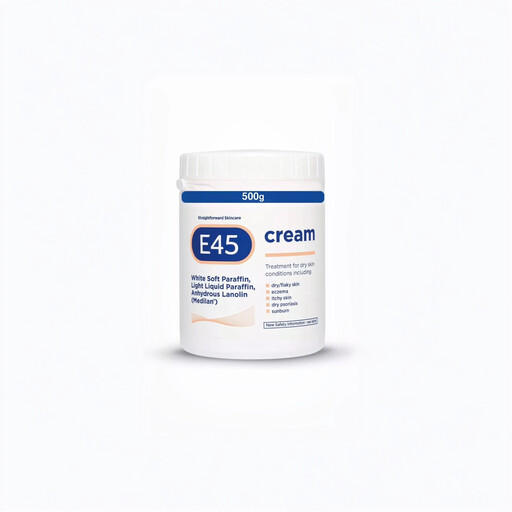
Why This Fits Their Persona: The large 500g size is practical for households needing a straightforward body, hand or face moisturiser for recurring dryness.
Its fragrance-free formula and clearly stated emollient ingredients make it easier to assess than vague “intensive” claims.
Contains white soft paraffin, light liquid paraffin and anhydrous lanolin; suitable for repeated application as directed.
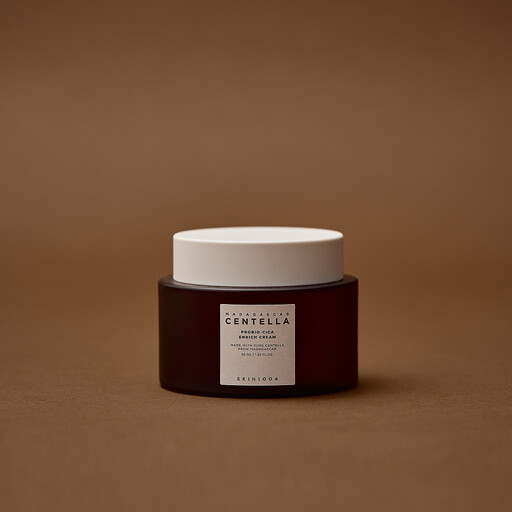
Why This Fits Their Persona: Suits shoppers seeking a richer Korean skincare cream with centella-based ingredients for a sensitive-feeling facial routine.
The ingredient list identifies ceramide NP, glycerin, squalane, sodium hyaluronate and centella-derived components instead of relying only on barrier-repair wording.
Thick cream texture; includes macadamia and moringa seed oils, ceramide NP and lactobacillus ferment.
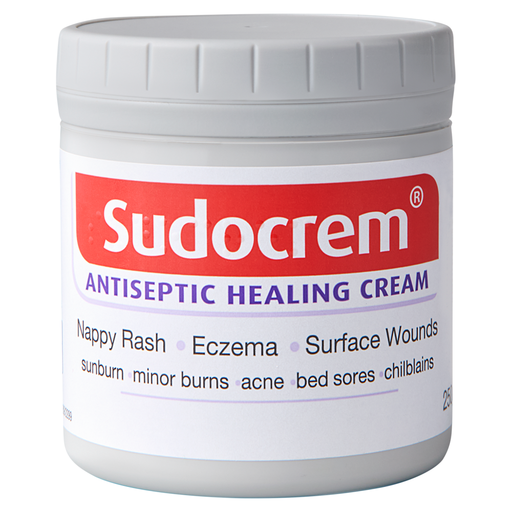
Why This Fits Their Persona: A practical option for family cupboards where a zinc oxide barrier cream is needed for nappy-care routines and minor everyday skin concerns.
The product specifies 15.25% zinc oxide and gives separate nappy-rash application guidance, rather than presenting itself as a general face moisturiser.
Contains zinc oxide, lanolin and paraffin-based ingredients; apply a thin layer as directed and check the fragrance and allergen information.
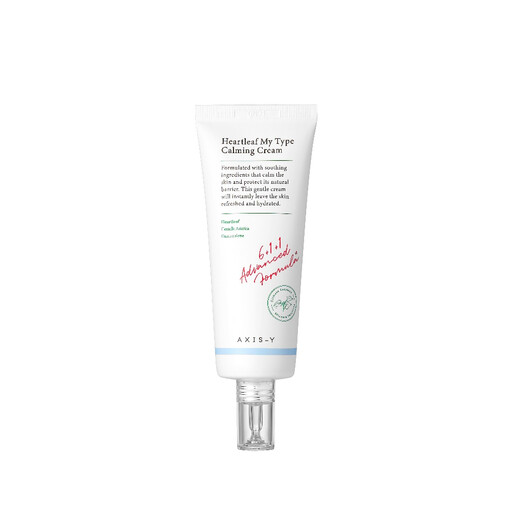
Why This Fits Their Persona: Its gel-cream format is suited to shoppers who want daily facial hydration without a heavy or greasy finish, including those with oily or acne-prone skin.
The lightweight texture and listed ingredients provide more useful buying information than a broad “calming” promise.
Contains heartleaf, centella asiatica, sodium hyaluronate and allantoin; designed to absorb without a sticky residue.
We have compiled a complete, real-time list of products that fully satisfy these strict selection criteria and UK safety regulations.
Look for a fragrance-free moisturiser containing humectants plus occlusive ingredients such as petrolatum, paraffin or shea butter. Apply it regularly to slightly damp skin and reapply after washing. If dryness is persistent, painful or worsening, speak to a pharmacist or GP.
Some body creams can be used on the face if the packaging says so, but richer formulas may feel greasy or be less comfortable for acne-prone skin. Check the stated application areas and patch test first.
This depends on the product, storage and frequency of use. Follow the packaging’s expiry date and any open-jar period symbol. Keep creams away from heat and direct sunlight, and avoid introducing water or unclean fingers into jars.