
24/7 Customer Support

Free returns

Same-day & Next-day Delivery

Quality Guaranteed

Unlock Your Welcome Offers: FREE Delivery | Up to 80% OFF | Free 30-day JoyPlus trial
Download the APP
A suitable skin exfoliator can help lift surface dead skin cells, smooth rough texture and make the complexion feel fresher. However, choosing one by attractive packaging or phrases such as “deep cleansing” can lead to irritation, wasted money and products that remain unused in the bathroom cabinet.
The UK market includes facial scrubs, peeling gels, exfoliating toners, pads, body scrubs and at-home chemical peel products. The right choice depends less on dramatic claims and more on the exfoliation method, ingredient list and how often you can use it comfortably.
A high acid percentage or rough-feeling scrub is not automatically a better choice. A glycolic acid peel, AHA BHA exfoliator or salicylic acid scrub may feel active, but frequent use can leave skin feeling dry or uncomfortable. A mild PHA exfoliator may be more practical for someone who is new to acids or has sensitive skin.
Some gommage-style peeling gels form small rolls when massaged. These rolls can include the product’s cellulose or gel base, rather than representing dead skin alone. Judge the product by how your skin feels afterwards and whether the instructions suit your routine, not by the amount of visible residue.
Exfoliating ingredients are only part of the buying decision. Fragrance, essential oils, alcohol denat., cleansing agents and physical particles may affect how comfortable a formula feels. A product marketed for blemish-prone skin may still be unsuitable for broken, inflamed or irritated areas.
Read the ingredient list and usage guidance rather than relying on terms such as “daily”, “deep” or “professional”. A product containing salicylic acid, glycolic acid, lactic acid or retinol may require a slower introduction.
For a new face exfoliator, start with one application a week unless the packaging clearly advises otherwise. Do not introduce several acid products at the same time. If your skin becomes persistently red, itchy, sore or unusually tight, stop using the product and seek medical advice if symptoms continue.
A 30ml peel may suit occasional treatment or travel, while a 150ml scrub or 200ml lotion may be more economical for regular use. Pads and jars need to be sealed promptly to prevent drying. Review the INCI ingredient list, batch details, shelf-life information and warnings printed on the UK packaging.
AHA products can increase sensitivity to sunlight. Use broad-spectrum sunscreen, limit prolonged sun exposure and follow the product’s specific warning. Never exfoliate cuts, burns, active irritation, severe eczema or other damaged skin.
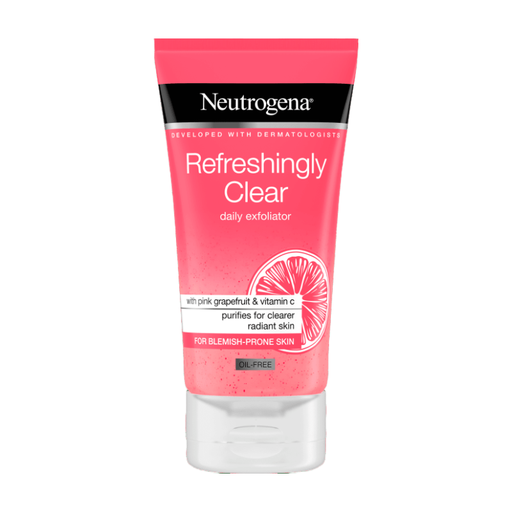
Why This Fits Their Persona: A straightforward rinse-off facial scrub for shoppers starting a basic routine and wanting a 150ml format.
The ingredient list identifies natural exfoliators and salicylic acid, so buyers can assess the formula rather than relying only on “radiant” wording.
Oil-free formula; rinse-off format; contains salicylic acid and pink grapefruit extract.
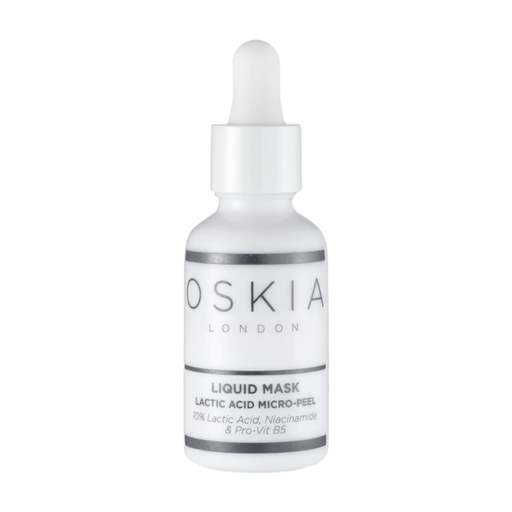
Why This Fits Their Persona: Its compact 30ml size suits shoppers who prefer a targeted weekly treatment rather than a large daily-use bottle.
The stated lactic acid focus and five-to-ten-minute rinse-off direction make the treatment schedule clearer than vague “instant peel” claims.
Contains lactic acid, panthenol and sodium hyaluronate; designed for one-to-two weekly applications.
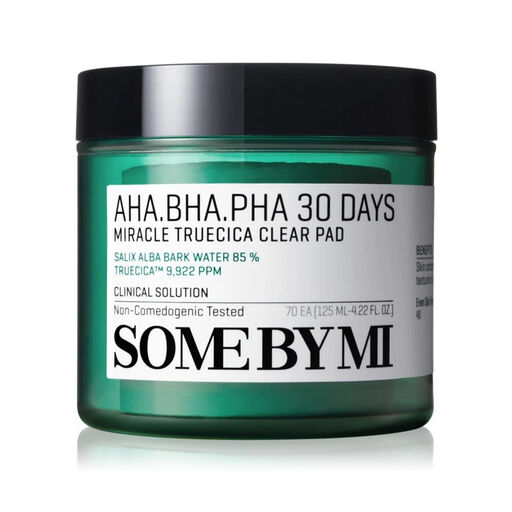
Why This Fits Their Persona: Pre-soaked pads are convenient for busy UK mornings or evenings when measuring a toner is inconvenient.
The product specifies its AHA, BHA and PHA format, pad texture and reduced frequency guidance for very sensitive skin.
70 pads; dual-sided design; includes betaine salicylate, citric acid and lactobionic acid.
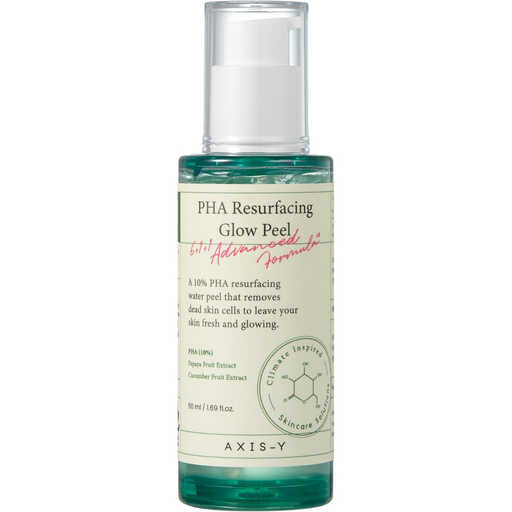
Why This Fits Their Persona: A rinse-off gel format may appeal to people who want a measured weekly step without using a rough facial scrub.
It identifies a 10% gluconolactone PHA formula and a ten-to-fifteen-minute rinse-off direction, helping users plan frequency.
10% gluconolactone; 50ml size; contains glycerin and centella asiatica extract.
We have compiled a complete, real-time list of products that fully satisfy these strict selection criteria and UK safety regulations.
It depends on the formula and your tolerance. Start with once weekly for an acid treatment or peeling gel, and follow the label. A physical scrub may also be limited to one or two applications weekly. Daily use should only be considered when the product directions and your skin’s response support it.
Neither is universally suitable. A salicylic acid scrub or exfoliating toner may be selected for oily, congested areas, while a physical scrub mainly works at the surface. Avoid combining multiple BHA products without a clear routine, particularly if your skin is sensitive or already dry.
There is no single lifespan for every product. Check the packaging for the period-after-opening symbol, batch information and storage instructions. Pads can dry out if the lid is left open, while heat and sunlight may affect some acid formulas. Replace any product that changes colour, smell or texture, or passes its stated shelf-life date.