
24/7 全天候客户支持

免费退货

当日/次日达

品质保障

开启新人专享福利: 全场免邮 | 低至 2 折 | 免费试用 30 天 JoyPlus 会员
下载 Joybuy
Dryness, sensitivity, dullness and damaged hair often lead shoppers towards products labelled “repair”, “renewal” or “barrier support”. However, attractive claims do not always explain what a formula can realistically do. The right choice depends on your skin or hair concern, the ingredient list, how often you will use it and whether the product suits your routine.
This guide outlines common buying traps, key specifications to check and our top recommendations for different user profiles.
A moisturiser, serum or split end repair treatment can improve the look and feel of dryness, roughness or frizz. Hair ends, however, cannot be permanently rejoined once the fibre has split. A leave-in product may coat and smooth the area temporarily, while trimming remains the practical way to remove severe splitting.
Similarly, a face serum may make skin feel plumper through hydration without changing the underlying cause of dryness or sensitivity.
A thick body cream can be useful for very dry areas, but it may feel heavy on the face. Fragrance, essential oils, certain preservatives and some botanical extracts may also be unsuitable for people who are prone to irritation. “Natural origin” wording does not automatically mean a product will suit every skin type.
Look beyond the front label and check the complete ingredients, usage instructions and warnings before purchasing.
A strong anti-ageing serum, exfoliating product or concentrated hair treatment may be unnecessary if your main concern is simple dehydration. Conversely, a lightweight daily moisturiser may not provide enough conditioning for bleached, chemically treated or heat-damaged hair.
A simple routine used consistently is often easier to maintain than a large collection of overlapping products.
For barrier repair skincare, look for ingredients associated with moisture retention and comfort, including glycerin, hyaluronic acid, ceramides, dimethicone, oat derivatives and squalane. These ingredients work in different ways: humectants attract water, while emollients and occlusives help soften skin and reduce moisture loss.
People seeking a sensitive skin moisturiser may prefer a fragrance-free formula with a short, clearly listed ingredient profile. The Aveeno Calm & Restore Oat Gel Moisturiser, for example, is listed as fragrance free, non-comedogenic and made with prebiotic oat and feverfew. Its gel-cream texture may appeal to shoppers who dislike a greasy finish.
A gentle face cleanser should remove daily residue without leaving skin feeling tight. Check for mild cleansing agents and avoid assuming that a foaming product is more effective simply because it produces more lather.
A hydrating face serum is normally applied after cleansing and before moisturiser. Serums tend to have lighter textures and may target hydration, visible dullness or the look of fine lines. An anti-ageing serum should be assessed by its ingredients and directions rather than by dramatic before-and-after language.
Freeze-dried face mask sets are supplied in a dry format and typically require a separate liquid before use. Confirm that the box includes the solvent or activator, check storage information and use the prepared mask according to the instructions. This avoids buying a product that requires an additional item before it can be used.
For damaged hair shampoo, consider whether the formula contains conditioning or bond-supporting ingredients alongside cleansing agents. The OGX Bond Repair Shampoo lists wheat protein, panthenol, tocopheryl acetate and hydroxypropylgluconamide with hydroxypropylammonium gluconate.
A hair repair mask is generally more conditioning than a standard shampoo and may be useful for brittle or chemically treated lengths. For fine hair, use a smaller amount and keep richer products away from the roots to reduce limpness.
Also check whether the product is a rinse-off or leave-in formula. The Moroccanoil Mending Infusion is designed for dry hair and focuses on mid-lengths and ends, making it more suitable for smoothing visible fraying than for cleansing the scalp.
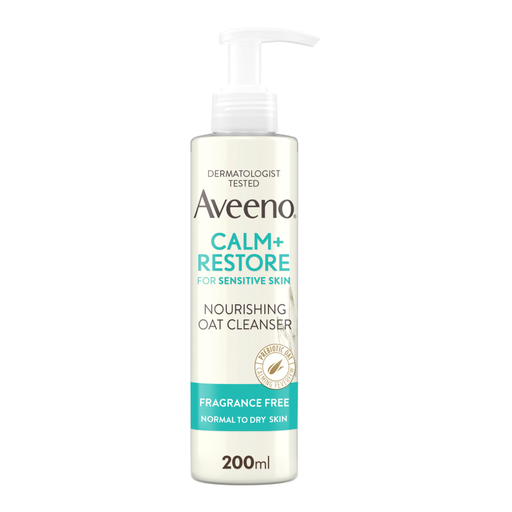
Why This Fits Their Persona: A straightforward daily cleanser for UK shoppers building a simple moisturising skincare routine without buying several treatment steps.
It is positioned as a milky gel-cream cleanser rather than an intensive treatment, helping shoppers avoid paying for unnecessary active steps.
Lists oat, glycerin and sodium hyaluronate; the 200ml format is intended for regular face cleansing.
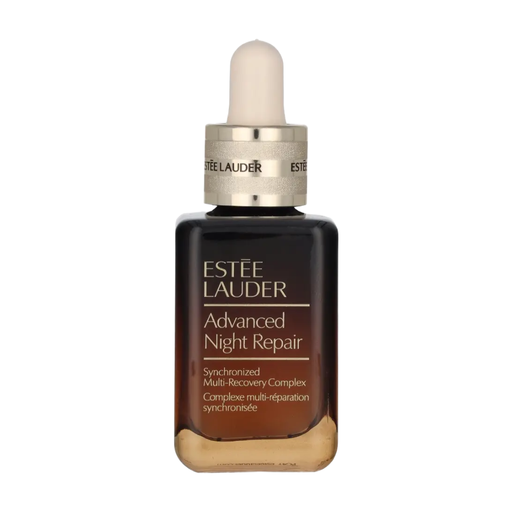
Why This Fits Their Persona: Suitable for shoppers who want a dedicated serum step focused on hydration and the appearance of multiple visible signs associated with ageing skin.
The product information identifies its format, 30ml size, application order and listed ingredients, allowing comparison beyond its premium positioning.
Contains hyaluronic acid, glycerin, squalane and Tripeptide-32; it can be used morning and evening before moisturiser.
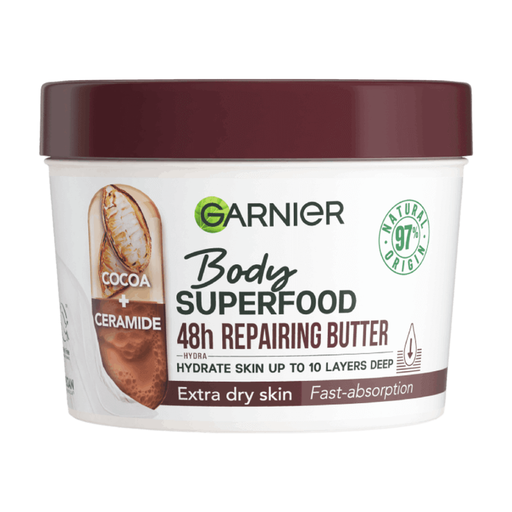
Why This Fits Their Persona: A practical option for adults managing very dry skin across larger body areas, particularly during colder or drier indoor conditions.
Its 380ml tub is clearly a body product, helping prevent the common mistake of using a small facial cream for extensive dry areas.
Includes glycerin, cocoa butter, shea butter and a ceramide-related ingredient; the listing states a vegan formula and Leaping Bunny approval.
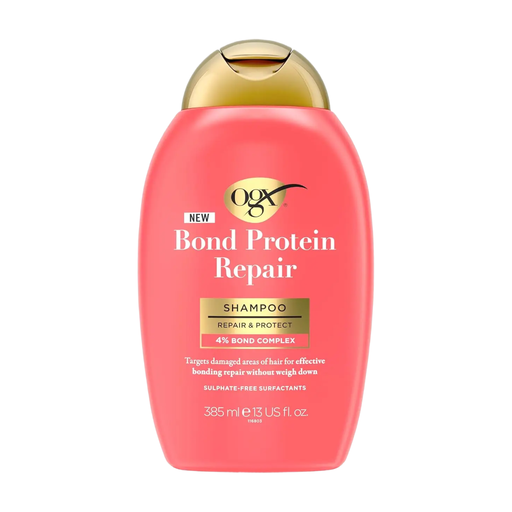
Why This Fits Their Persona: Designed for shoppers washing damaged, brittle or chemically treated hair who want a repair-focused cleansing step.
The ingredient list and directions make clear that it is a rinse-off shampoo, not a permanent fix for existing split ends.
Contains wheat protein, panthenol and conditioning agents; the 385ml bottle is suitable for regular washing.
For sensitive or reactive-feeling skin, compare the AVEENO Calm & Restore Oat Gel Moisturiser with the WINONA Sensitive Skin Moisturising Special Care Freeze-Dried Mask Set. The latter includes a freeze-dried mask and solvent liquid, so check the preparation steps before use.
The Winona Soothing Repair Freeze-Dried Mask Set is another format to consider when occasional mask application is more convenient than adding a daily serum.
For hair lengths, the Moroccanoil Mending Infusion Repair is a leave-in option containing argan oil, quinoa and baobab extracts. It is applied to dry mid-lengths and ends, unlike a damaged hair shampoo. A larger-format ADOLPH Essential Oil Hair Repair Treatment Mask may suit shoppers who prefer a rinse-off hair repair mask.
Start with the product that addresses your main concern. For dry facial skin, use a gentle face cleanser followed by a sensitive skin moisturiser. Add a hydrating face serum only if you want an extra lightweight hydration step. For damaged hair, begin with a suitable shampoo and conditioner, then add a hair repair mask or leave-in treatment where needed.
Lifespan depends on the product format, storage and frequency of use. Check the open-jar period-after-opening symbol and keep the container closed between applications. Changes in smell, colour or texture may indicate that the product should no longer be used.
Usually, no. Skin and hair have different structures and care requirements. A body cream for very dry skin is not designed for cleansing or conditioning hair, while a split end repair treatment is intended for hair lengths rather than facial skin. Separate products allow you to choose suitable ingredients, textures and application methods.