
24/7 Customer Support

Free returns

Same-day & Next-day Delivery

Quality Guaranteed

Unlock Your Welcome Offers: FREE Delivery | Up to 80% OFF | Free 30-day JoyPlus trial
Download the APP
Choosing among hundreds of skin moisturisers can quickly become confusing. A rich cream may feel comforting in winter but heavy on an oily T-zone, while a lightweight gel may not provide enough protection for dry hands or a baby’s delicate skin. Marketing terms such as “barrier support”, “brightening” and “24-hour hydration” can also make products appear more similar than they really are.
This guide from the Joybuy Product Recommendation Officer focuses on the practical details that matter when comparing a facial moisturiser, body lotion, sensitive skin moisturiser or targeted hand cream for everyday use in the UK.
A thick cream is not automatically more effective for every user. Occlusive ingredients such as petrolatum, dimethicone and richer emollients can help reduce moisture loss, but some people may prefer a lighter texture during warmer weather or on combination and oily skin.
Equally, a watery gel may feel refreshing but require a second layer on very dry areas. Consider whether you need a hydrating gel moisturiser, a richer cream or a versatile face and body moisturiser before focusing on packaging or fragrance.
Terms such as “anti-ageing”, “brightening” and “soothing” describe the intended positioning of a product, not a guaranteed personal result. A formula containing niacinamide may suit someone looking to improve the appearance of uneven tone, but tolerance and consistency vary.
When comparing products, look at the complete ingredient list, directions and warnings. If a brand refers to clinical findings, treat them as research reported by that brand rather than a universal outcome.
A pleasant scent is not essential to moisturisation. Fragrance-free moisturiser options can be more suitable for shoppers who prefer to avoid perfume, although “fragrance-free” does not mean irritation is impossible. Always check the current packaging for ingredients, allergens, shelf-life information and usage instructions.
For babies or eczema-prone skin, select products specifically labelled for the relevant age or skin concern. A moisturiser should not be used on broken skin unless a healthcare professional advises it.
A facial moisturiser is generally designed for the face and neck, whereas a hand cream can contain a more protective, nourishing texture for frequent washing and exposure. A baby moisturising lotion should clearly state its suitable age range and intended use.
For convenient routines, a face and body moisturiser or multi-use gel can reduce the number of products needed. However, check whether the product is suitable for facial use, body use or both.
Before use, check the packaging for the ingredient list, batch information, storage guidance, net content and period-after-opening symbol where provided. UK cosmetic products should include appropriate responsible-person and safety information. Keep products away from children, avoid eye contact and stop using them if irritation develops.
For a new sensitive skin moisturiser, apply a small amount to a limited area first. A patch test cannot predict every reaction, but it is a sensible precaution when introducing unfamiliar skincare.
The following options match different routines and priorities rather than one universal skin type.
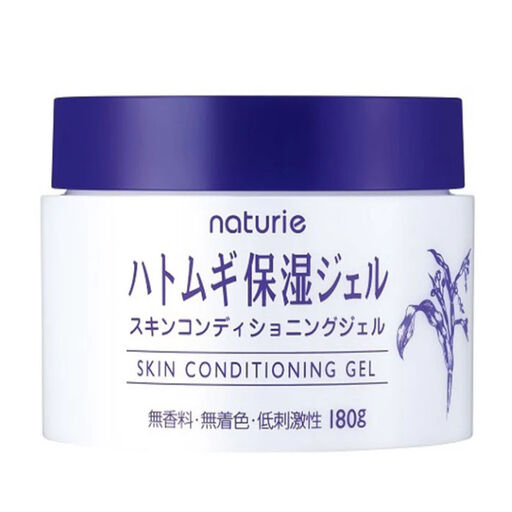
Why This Fits Their Persona: The generous 180g size is practical for shoppers starting a simple routine or sharing one product between the face, neck and dry body areas.
Its oil-free, fragrance-free and colourant-free positioning makes the formula easier to compare against heavily perfumed alternatives.
Jelly texture, 180g capacity and use across face and body; the product information also states that it has passed non-comedogenic testing.
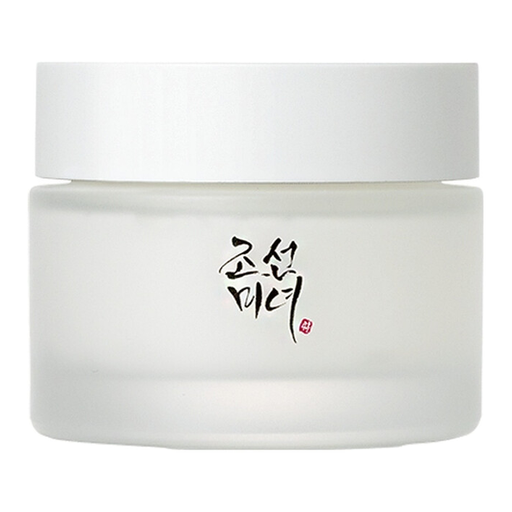
Why This Fits Their Persona: This Korean skincare cream suits shoppers who enjoy a richer, dewy finish and a multi-step Korean-inspired routine.
Its named ingredients and stated percentages, including 29% rice bran water, 5% ginseng root water and 2% niacinamide, offer more detail than vague “luxury” wording alone.
Contains glycerin, squalane, niacinamide and Ceramide NP; it can be used as a daily moisturiser, sleeping-mask layer or make-up base.
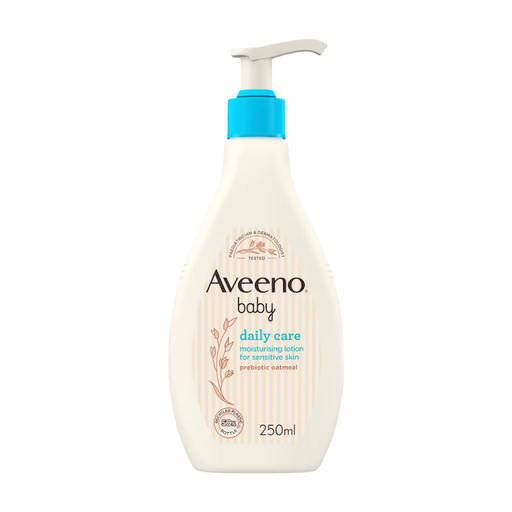
Why This Fits Their Persona: Parents looking for a baby moisturising lotion for daily use may value the stated 0 months+ suitability and lightweight face-and-body format.
The listed formula is unscented and dye-free, helping parents avoid buying based on fragrance while providing clearer ingredient information.
Contains colloidal oatmeal, glycerin and dimethicone; the bottle uses 50% recycled plastic and is described as recyclable.
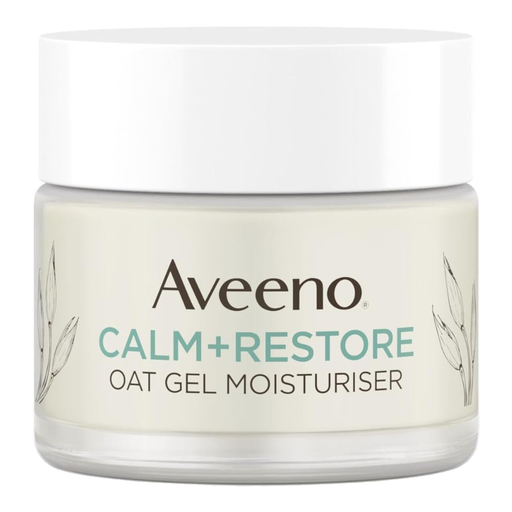
Why This Fits Their Persona: A suitable option for those seeking a fast-absorbing facial moisturiser for normal-to-dry or sensitive-feeling skin without a heavy finish.
The product details specify a fragrance-free, hypoallergenic and non-comedogenic formula, rather than relying only on general sensitive-skin language.
Uses prebiotic oat, feverfew extract, glycerin and dimethicone in a gel-cream texture; the 50ml size is convenient for a handbag or travel bag.
For dry, frequently washed hands, the NIVEA 3-in-1 Anti-Age Care Hand Cream 100ml contains glycerin, shea butter, Coenzyme Q10 and UV filters. It is positioned as an anti-ageing hand cream with 24-hour moisturising care. Because it contains parfum and listed fragrance allergens, shoppers wanting a fragrance-free moisturiser should compare the ingredient list carefully before purchase.
For shoppers focused on the appearance of uneven tone, the Medicube TXA Niacinamide Capsule Cream 55g combines a gel with pink capsules. Its ingredients include 5% niacinamide, tranexamic acid, ceramide NP and several forms of hyaluronic acid. The adjustable gel-to-capsule ratio allows a lighter or richer application, but users should patch test and follow the product warnings.
We have compiled a complete, real-time list of products that fully satisfy these strict selection criteria and UK safety regulations.
Most people apply moisturiser after cleansing, particularly when skin still feels slightly damp. Dry hands may need reapplication after washing, while facial products can usually be used morning and evening according to the label. Adjust the amount and frequency if your skin feels greasy or tight.
Check the period-after-opening symbol and packaging instructions. Storage in a cool, dry place away from direct sunlight can help maintain the product’s condition. Do not continue using a product if its smell, colour or texture changes noticeably.
No. Fragrance-free products may help shoppers avoid perfume, but they are not automatically suitable for every person with eczema-prone or reactive skin. Check the full ingredients, follow the age guidance, patch test where appropriate and seek medical advice if persistent symptoms occur.