
24/7 Customer Support

Free returns

Same-day & Next-day Delivery

Quality Guaranteed

Unlock Your Welcome Offers: FREE Delivery | Up to 80% OFF | Free 30-day JoyPlus trial
Download the APP
Finding skincare for acne-prone sensitive skin can be difficult. Products designed to manage excess oil may leave the face tight, while rich creams can feel uncomfortable on congested areas. Marketing language can also make a basic formula appear more effective than it may be for your particular routine.
Before buying, look beyond promises such as “deep cleansing” or “instant brightening”. The right choice depends on the ingredients, texture, intended area of use and how easily the product fits into daily care.
Salicylic acid, fruit acids and other exfoliating ingredients can be useful in blemish-prone skincare, but using several active products together may increase dryness or stinging. A salicylic acid shower gel may be more practical for the back and chest than a strong facial leave-on product, particularly when the formula is rinsed away.
Sensitive skin still needs hydration. However, a thick cream is not automatically a better hydrating barrier cream. Look for a texture that suits your skin type and check whether the formula contains supportive ingredients such as glycerin, panthenol, ceramides or hyaluronic acid.
People with oily skin may prefer a gel-cream or lightweight lotion. Those experiencing tightness, flaking or discomfort may need a richer layer, used sparingly.
Niacinamide, tranexamic acid and vitamin C derivatives may be included in brightening products for uneven-looking tone. However, daytime UV exposure can make it harder to manage the appearance of post-blemish marks. A daily sunscreen for sensitive skin should therefore be considered part of the routine, not an optional extra.
Check whether the product is designed to stay on the skin or be rinsed off. A cleanser or shower gel has shorter contact time, while a cream remains on the face for much longer.
For example, the L’Oréal Men Expert Derma Control Anti-Blemish Shower Gel XXL lists 2% salicylic acid and glycerin. It is intended for use on wet skin, followed by thorough rinsing, with the product information specifically mentioning the face, back and chest. Avoid the eye area and stop use if irritation occurs.
A suitable calming moisturiser for sensitive skin should provide comfort without leaving an excessively greasy film. Ingredients worth checking include:
“Non-comedogenic moisturiser” is useful search terminology, but it should not be treated as a guarantee that every person will tolerate the formula. Patch testing remains sensible, especially when a product contains multiple botanical extracts, essential oils or active ingredients.
A mineral SPF50 sunscreen commonly uses zinc oxide as its UV filter. The Axis-Y Complete No-Stress Physical Sunscreen lists zinc oxide, SPF50 and PA++++ in its product information. Apply it as the final morning skincare step and reapply after sweating, swimming or towel drying, following the product directions.
When comparing sunscreen, check the packaging for the stated SPF, UVA protection information, net amount and application guidance. No sunscreen should be used on broken, irritated or sunburnt skin.
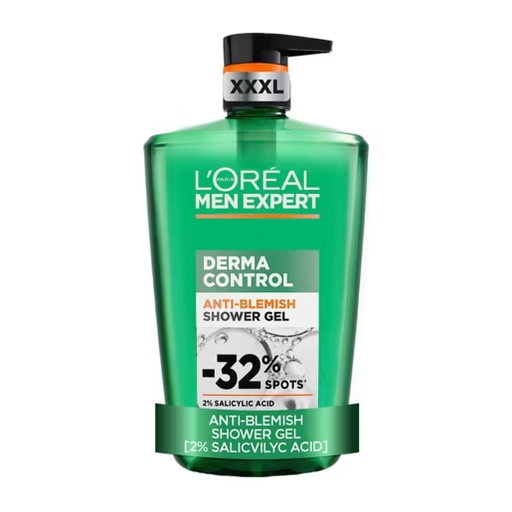
Why This Fits Their Persona: A 1L format suits shoppers building a simple routine for blemish-prone areas such as the back and chest, with the option to use it on the face as directed.
It is a rinse-off product, helping shoppers avoid adding another leave-on active to an already busy facial routine.
Lists 2% salicylic acid, glycerin, a 1L size and dermatological testing in the product information.
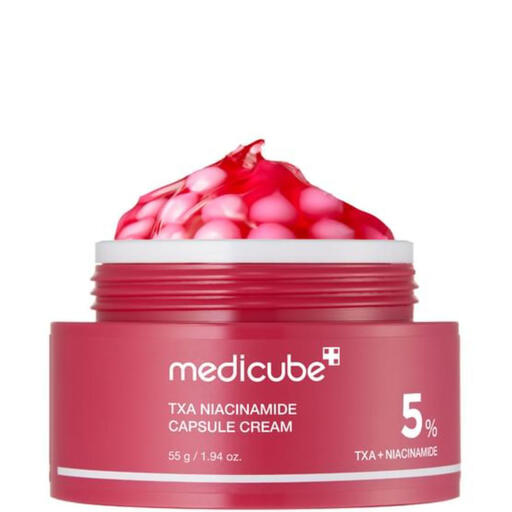
Why This Fits Their Persona: Suitable for shoppers seeking Korean skincare for acne-prone skin with a moisturising, tone-focused final step.
The product details identify the active ingredients and texture-adjustment method rather than relying only on a general brightening claim.
Lists 5% niacinamide, tranexamic acid, Ceramide NP and several forms of hyaluronic acid.
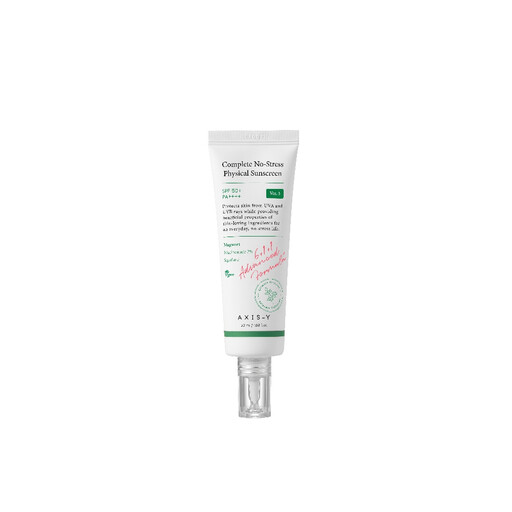
Why This Fits Their Persona: A practical option for daily commuters and people who spend time outdoors and want a mineral sunscreen in a facial routine.
Its stated zinc oxide base makes the filter type clear, while the directions cover application and reapplication after outdoor activity.
Lists SPF50, PA++++, zinc oxide, niacinamide and a 50ml format.
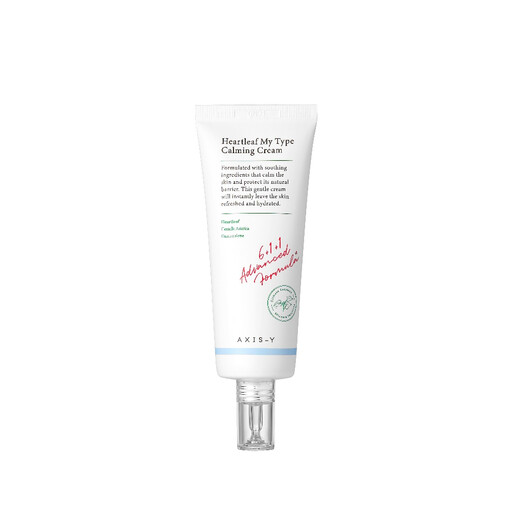
Why This Fits Their Persona: Its listed gel-cream texture is suited to those who prefer lightweight hydration under make-up or sunscreen.
The formula and directions clearly position it as a lightweight moisturiser rather than a harsh exfoliating treatment.
Lists heartleaf, centella, glycerin, sodium hyaluronate and allantoin, with a 60ml size.
We have compiled a complete, real-time list of products that fully satisfy these strict selection criteria and UK safety regulations.
Usually, a simple routine is easier to maintain: gentle cleanser, suitable moisturiser and daily sunscreen. Introduce one active product at a time, follow its label and reduce frequency if dryness, burning or persistent redness appears.
Allow enough time to assess comfort, texture and whether the product fits your routine. Do not continue using a product that causes irritation. Check the packaging for its period-after-opening symbol and storage instructions, and replace it when its recommended use period has passed.
Yes. If blemishes are painful, widespread, scarring or not improving with basic skincare, speak with a pharmacist or GP. Cosmetic products can support cleansing, moisturising and sun protection, but they are not a substitute for medical assessment or prescribed treatment.