
24/7 Customer Support

Free returns

Same-day & Next-day Delivery

Quality Guaranteed

Unlock Your Welcome Offers: FREE Delivery | Up to 80% OFF | Free 30-day JoyPlus trial
Download the APP
A balm can be a convenient way to moisturise, cleanse or protect the skin, but the word covers very different products. A face balm is not automatically suitable for lips, while a nappy barrier ointment should not be treated as a general-purpose moisturiser.
For UK shoppers, three common buying pitfalls are worth addressing before comparing products:
Start with the intended use. The most useful categories include:
Ingredients can reveal more than front-of-pack marketing. Petrolatum, mineral oil, dimethicone, beeswax and plant waxes can help create an occlusive layer that reduces moisture loss. Glycerin, panthenol, sodium PCA and sodium hyaluronate are commonly used humectants or moisturising ingredients.
For a vegan balm, check that the individual formula is labelled vegan rather than assuming every product from a brand has the same credentials. Beeswax, lanolin and some animal-derived ingredients are not vegan. If you have known sensitivities, check for:
“Natural” does not automatically mean suitable for sensitive skin. A small patch test, following the product instructions, can help identify obvious intolerance before wider use.
A 15ml eye balm may be appropriate for occasional, targeted application, while a 150ml foot balm or 250ml body balm may offer better practicality for regular use over larger areas. For stick lip balms, avoid twisting the product too far, particularly with melting formulas that can soften in a warm car or direct sunlight.
Use clean, dry hands when scooping cleansing or face balms, replace the lid securely and follow the packaging guidance for storage. UK cosmetics should display essential information such as ingredients, batch details, precautions and the responsible person’s details. Always check the physical packaging because formulas and instructions can change.
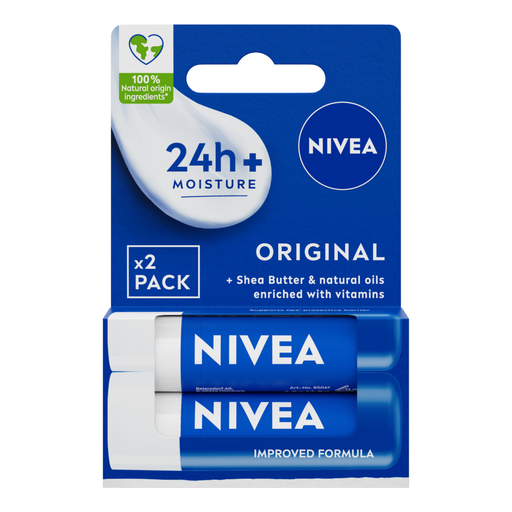
Why This Fits Their Persona: A two-pack is practical for keeping one lip balm at home and another in a handbag, coat pocket or changing bag during the UK’s colder, windier months.
The format makes the quantity clear, helping shoppers compare the cost per stick instead of judging value from a single pack image.
Contains shea butter and natural oils; the listing states that it is made with 100% natural-origin ingredients.
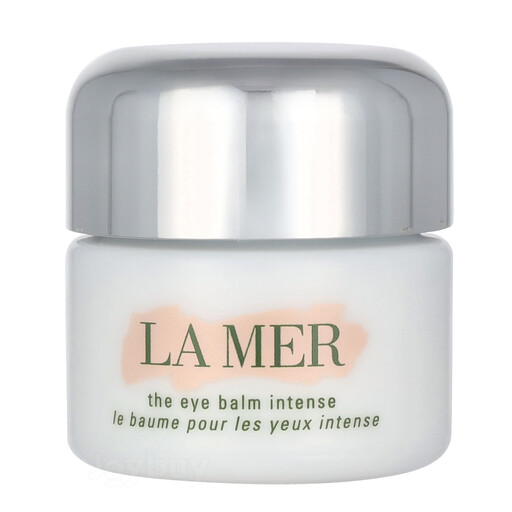
Why This Fits Their Persona: Suited to shoppers prioritising a dedicated eye balm, a refined texture and an applicator designed for controlled use around the eye area.
The 15ml size and provided silver-tipped applicator make the product’s intended area and dispensing method explicit.
The formula includes shea butter, glycerin, caffeine and sodium hyaluronate; the listing states that it is free from parabens, phthalates and sulphates.
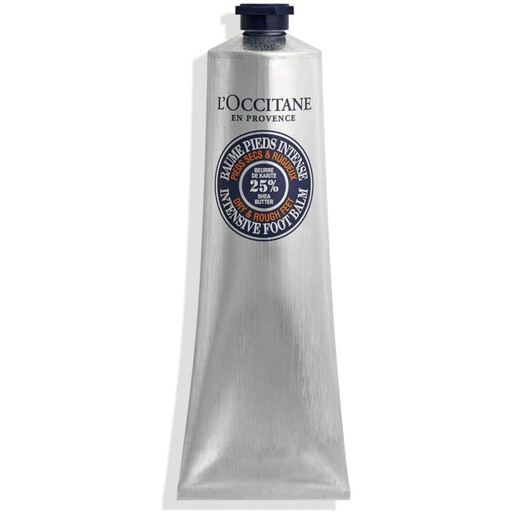
Why This Fits Their Persona: A 150ml foot balm is suitable for shoppers who regularly moisturise heels, toes and rough areas, including people who spend long periods walking or standing.
It is clearly positioned for foot care, so shoppers do not need to use a small, expensive face balm over larger areas.
Contains shea butter, glycerin, panthenol and sunflower seed oil; the instructions specify daily use or a thicker overnight layer.
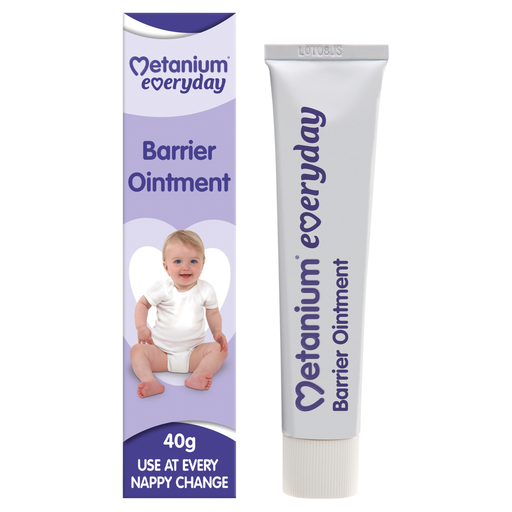
Why This Fits Their Persona: The compact tube is designed for daily nappy-changing routines and fits easily into a changing bag.
Its everyday barrier purpose is stated separately from treatment products, helping parents avoid using a preventative ointment for active rash.
The 40g formula is fragrance-free, colour-free and lanolin-free; the listing states that it is suitable from birth and vegan-friendly.
We have compiled a complete, real-time list of products that fully satisfy these strict selection criteria and UK safety regulations.
Only if the product specifically states that it is intended for the eye area. Eye balms are formulated and labelled for this delicate region, but they should still be kept out of the eyes. Stop using any product that causes persistent irritation.
The period varies by formula and packaging. Check the open-jar symbol, expiry information and batch details on the product. Store balms away from direct sunlight and heat, and avoid introducing water or unclean fingers into jars.
Some are, but suitability depends on the formula. Fragrance-free, colour-free and simpler ingredient lists may be easier to assess, but no product is universally suitable. Patch test where appropriate, follow the label and seek advice from a pharmacist or healthcare professional if skin symptoms persist.