
24/7 Customer Support

Free returns

Same-day & Next-day Delivery

Quality Guaranteed

Unlock Your Welcome Offers: FREE Delivery | Up to 80% OFF | Free 30-day JoyPlus trial
Download the APP
Dry, sore or sensitive skin can make a simple purchase surprisingly confusing. Balms, creams, ointments and lotions may look similar on a product page, yet their textures, ingredients and intended uses can differ considerably. The right choice depends on where the product will be used, how often it will be applied and whether it needs to form a protective barrier or provide everyday moisturisation.
This guide helps UK households compare skincare balms and ointments more carefully, whether you need a nappy rash cream, nipple balm, dry skin balm, moisturising lip balm, hand care, foot care or a multi-purpose option.
A thick ointment can be useful for shielding skin from moisture and friction, but it may feel too greasy for daytime hand care or broad body application. Conversely, a lightweight lotion may absorb quickly but offer less surface protection for very dry patches.
Choose according to the task:
Words such as “natural”, “gentle”, “intensive” or “dermatologically tested” do not tell you everything about a product. A natural ingredient can still cause sensitivity, while a fragrance-free formula may be more appropriate for some users than a scented one.
Always check the full ingredient list, age guidance, allergens, directions and warnings. Product packaging is the most reliable source because formulas and instructions can change.
A small tube may be convenient for a handbag or changing bag, but it can represent poor value if applied several times a day. Compare net quantity, recommended application and whether the product is intended for spot use or larger areas.
For example, a 7.5g lip balm is designed for portable use, while a 400ml body lotion is more practical for regular application over arms, legs and torso.
Look for ingredients that match the level of protection required. Petrolatum or petroleum jelly creates an occlusive layer that helps reduce moisture loss from the skin’s surface. Waxes such as beeswax can add structure to a balm, while shea butter, cocoa butter, glycerin and plant oils contribute emollient or moisturising properties.
For a baby barrier ointment, consider whether the formula is fragrance-free, suitable from birth and intended for prevention or everyday protection. Metanium Everyday Barrier Ointment, for example, is listed as lanolin-free, fragrance-free and colour-free, with petrolatum, dimethicone and titanium dioxide among its ingredients.
If the user has sensitive skin, inspect common triggers rather than relying only on front-of-pack wording. Potential considerations include:
Breastfeeding mothers may prefer a nipple balm with clear feeding instructions. Medela Organic Nipple Balm uses sunflower oil, calendula extract and beeswax, while Lansinoh HPA Lanolin Nipple Cream contains 100% HPA lanolin. Their formulas are different, so check the ingredients carefully if you have a known sensitivity.
A product suitable for adult hands may not be appropriate for a baby, pet or the lips. Check whether it is intended for:
Use only on the areas stated on the packaging. Avoid eyes and broken, infected or severely inflamed skin unless a healthcare professional advises otherwise.
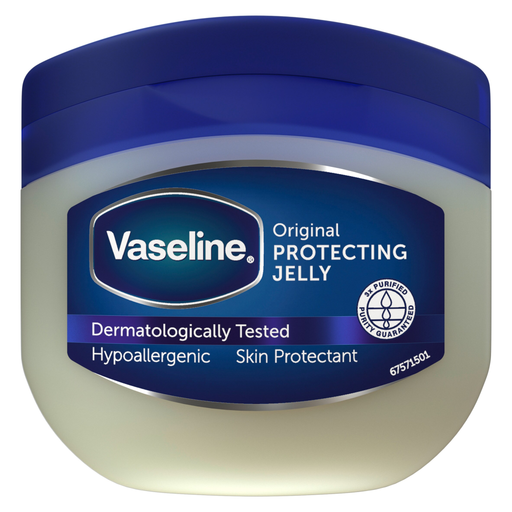
Why This Fits Their Persona: A compact option for households wanting one straightforward product for dry patches, lips, cuticles and minor surface protection.
The ingredient list is clearly stated as 100% white petrolatum, avoiding confusing blends when a simple occlusive barrier is the priority.
Single-ingredient formula; 50ml size is easy to store and carry.
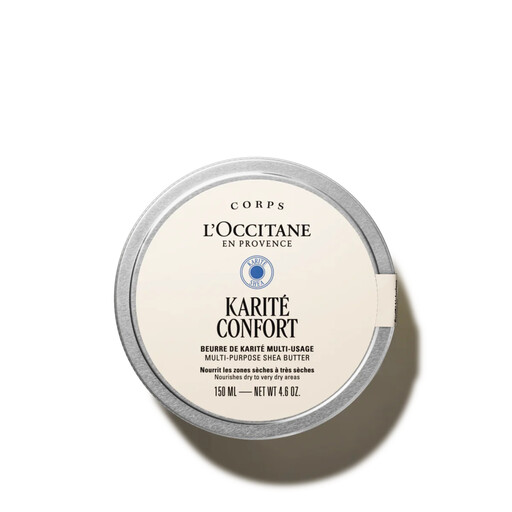
Why This Fits Their Persona: Suits adults who want a richer, multi-purpose shea butter balm for the face, body, elbows, knees and cuticles.
Its two listed ingredients, shea butter and tocopherol, make the formula easier to assess than a long, unfamiliar ingredient list.
150ml format; rich texture can be used sparingly on targeted dry areas.
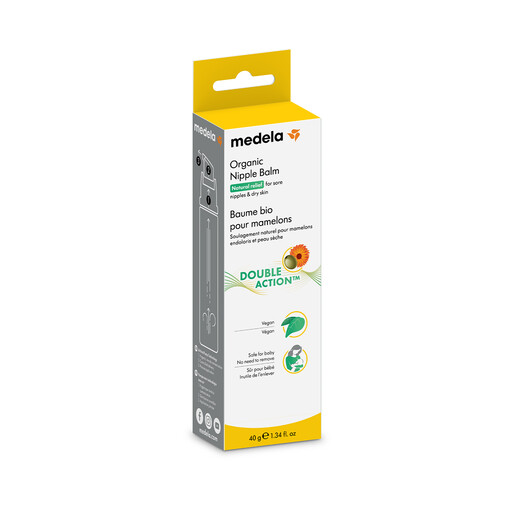
Why This Fits Their Persona: Designed for breastfeeding mothers who need a compact nipple balm that can also be used on lips, cuticles and other dry areas.
The listing states that the lanolin-free formula does not need to be removed before breastfeeding; always confirm the current label before use.
Three listed organic ingredients; suitable from 0+ months according to the product information.
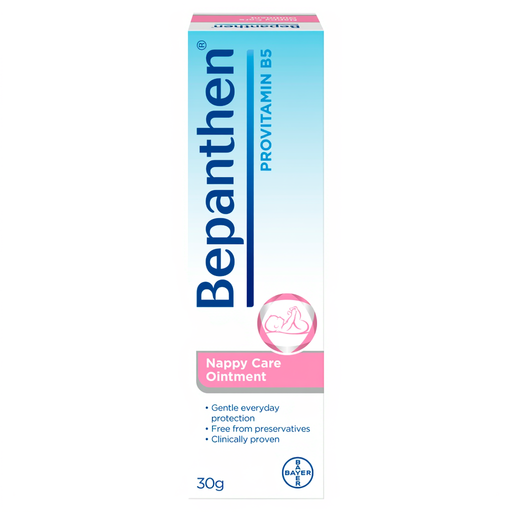
Why This Fits Their Persona: A small changing-bag format for parents seeking an everyday baby barrier ointment for clean, dry skin after nappy changes.
The product information specifies a thin application and a formula free from colours, fragrances and preservatives.
30g portable tube; instructions state that it does not need to be wiped off before the next application.
Different areas call for different textures and precautions. A moisturising lip balm such as Carmex Classic is portable, but its ingredient list includes menthol, camphor, lanolin and fragrance components. Carmex Cherry adds SPF 15 according to the listing, although sun protection should be reapplied as directed.
For frequently washed hands, a dedicated hand balm such as The Body Shop Shea Hand Balm offers a travel-size 30ml tube and a fast-absorbing texture. For feet, L’Occitane Shea Butter Intensive Foot Balm is designed for heels, toes and rough foot skin.
Adults seeking targeted muscle comfort may consider Tiger Balm Muscle & Tension Lotion. Its listing specifies use for people aged 12 and over and warns against applying it to eyes, mucous membranes, damaged skin or sunburnt areas.
For dogs, Be:Loved Be:Soft Pet Nose & Paw Moisturising Balm is formulated for paws and noses and contains beeswax, shea butter, vitamin E, avocado oil and Manuka honey. Use a pet-specific product rather than sharing a fragranced human balm, and monitor your pet after application.
We have compiled a complete, real-time list of products that fully satisfy these strict selection criteria and UK safety regulations.
Shelf life varies by product and packaging. Check the expiry date, batch information and the period-after-opening symbol where provided. Store products away from heat and direct sunlight, and close tubes or jars promptly to reduce contamination and texture changes.
Some products are multi-purpose, but this does not mean they are suitable for every person or body area. Check age restrictions, ingredient sensitivities and intended use. A baby nappy ointment, nipple cream, pet paw balm and muscle relief lotion each have different application rules.
Seek advice from a pharmacist, GP, health visitor or other appropriate professional if irritation persists, worsens or appears infected. For babies, breastfeeding mothers, pets or damaged skin, follow the product warnings and avoid using a balm as a substitute for professional care.