
24/7 Customer Support

Free returns

Same-day & Next-day Delivery

Quality Guaranteed

Unlock Your Welcome Offers: FREE Delivery | Up to 80% OFF | Free 30-day JoyPlus trial
Download the APP
Buying skincare products online can feel straightforward until you compare ingredient lists, product sizes, usage instructions and marketing claims. A face moisturiser may not provide enough comfort for very dry skin, while a rich body oil can feel unsuitable if you prefer quick absorption. The right choice depends less on impressive wording and more on whether the formula, texture and format match your routine.
This guide helps UK shoppers compare face moisturiser, body moisturiser, retinol night cream, body oil, cleansing oil, hydrating serum and sun protection products with practical selection criteria.
More ingredients do not automatically mean better performance. Look for a clear purpose: glycerin, hyaluronic acid and oils can support a moisturised feel, while niacinamide, vitamin C derivatives and peptides are commonly used in products targeting tone or texture. A formula should also suit your skin’s tolerance.
If you have sensitive skin, fragrance, essential oils and certain exfoliating ingredients may be worth reviewing carefully. Always check the current packaging, as formulations can change.
Phrases such as “visible results in two weeks” describe marketing or brand-led testing rather than a promise for every user. Skin concerns including pores, scars, stretch marks and uneven tone vary between individuals. Products such as a stretch mark oil or scar treatment oil may improve the feel and appearance of skin, but they should not be treated as medical treatments.
A practical approach is to assess the formula, intended use, volume and directions before paying extra for a headline claim.
A thick cream may feel comfortable during cold, dry UK weather but inconvenient under clothing. Conversely, a lightweight lotion may need more frequent application on very dry areas. Similarly, a cleansing oil is useful for removing sunscreen and make-up, but it should be emulsified and rinsed properly if the instructions require it.
Use a product designed for its intended area:
For an SPF product, check the labelled SPF rating, UVA information and application guidance. An SPF 50 sun stick can be convenient for touch-ups, but the amount applied matters. Stick formats may be less practical for applying a generous first layer, so use them carefully and reapply as directed, particularly after sweating, swimming or prolonged outdoor exposure.
An SPF moisturiser can combine skincare and sun protection, but it is not intended to make sunbathing safe. Limit direct exposure and follow the packaging instructions.
A 30-vial hydrating serum may offer precise, single-use portions, while a 380ml body cream may be more practical for regular full-body application. For oils, compare the base ingredients and fragrance. Natural beauty oil does not automatically mean fragrance-free, vegan or suitable for sensitive skin.
Those seeking vegan skincare should look for a clear vegan statement and check the label. For supplements such as evening primrose oil, read dosage guidance and consult a healthcare professional if pregnant, breastfeeding, taking medication or managing an existing condition.
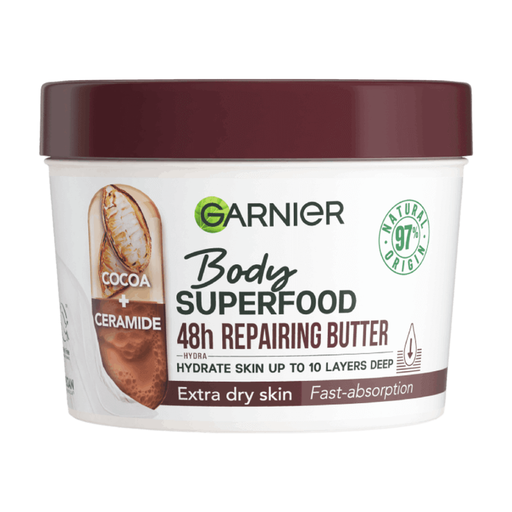
Why This Fits Their Persona: The generous 380ml tub is practical for shoppers building a straightforward dry skincare routine for arms, legs and other body areas.
Its intended use, size and cocoa-and-ceramide formula are clear, making it easier to compare with smaller body moisturisers.
Contains glycerin, cocoa butter and a ceramide-related ingredient; the product information states that it is vegan and contains 97% ingredients of natural origin.
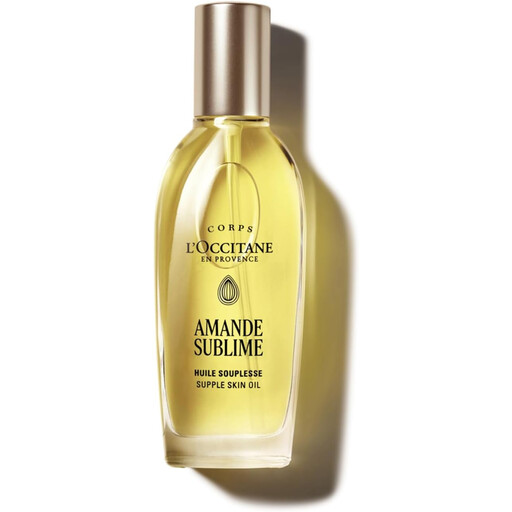
Why This Fits Their Persona: Suits shoppers who prefer a fragranced, oil-based body ritual after a shower, particularly for dull or dry-feeling skin.
The description specifies a lightweight texture and lists the plant oils used, rather than relying only on vague nourishment language.
Includes sweet almond, camelina, rosehip and sea buckthorn oils; designed for full-body use after cleansing.
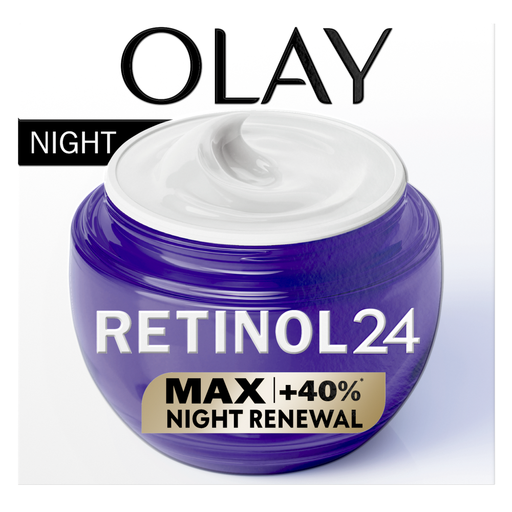
Why This Fits Their Persona: A suitable option for shoppers wanting a dedicated evening product for texture, hydration and the appearance of fine lines.
The ingredient list identifies retinol, retinyl propionate, glycerin and niacinamide, while the directions clearly specify evening use and morning SPF.
Fragrance-free formula with +40% glycerin stated in the product description; designed for use on the face and neck.
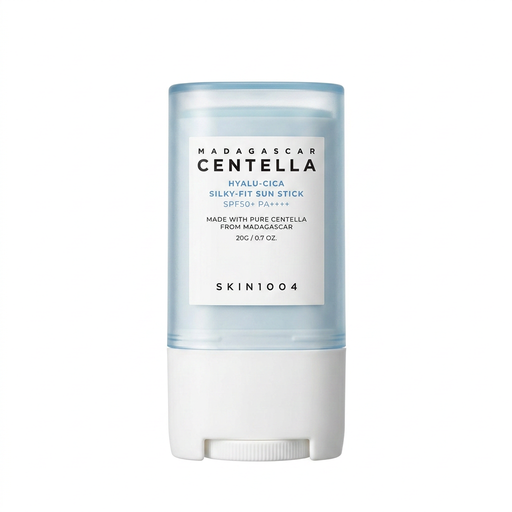
Why This Fits Their Persona: The compact stick format is convenient for commuting, travel and reapplication over make-up during outdoor days in the UK.
The product specifies SPF 50+ protection, a 20g format and reapplication guidance, helping shoppers assess convenience rather than just the protection headline.
Portable stick design with hyaluronic acid, centella asiatica extract and silica; the description states a non-sticky, silky-matte finish.
We have compiled a complete, real-time list of products that fully satisfy these strict selection criteria and UK safety regulations.
Most people can begin with a facial cleanser, face moisturiser and daytime SPF. Add a hydrating serum, cleansing oil or targeted treatment only when it addresses a specific need.
Check the packaging for the period-after-opening symbol, expiry information and storage instructions. Heat, sunlight and repeated exposure to air can affect some formulas. Stop using any product that changes smell, colour or texture unexpectedly.
Price can reflect packaging, texture, fragrance, ingredient selection or brand positioning, but it does not guarantee a result. Compare the volume, ingredient list, intended use and frequency of application before deciding whether a premium product suits your budget.